top of page
WILDLIFE THIS MONTH
Best Wildlife to See in November

These species are at their most visible in November. Tap any to see where to find it and how to spot it.
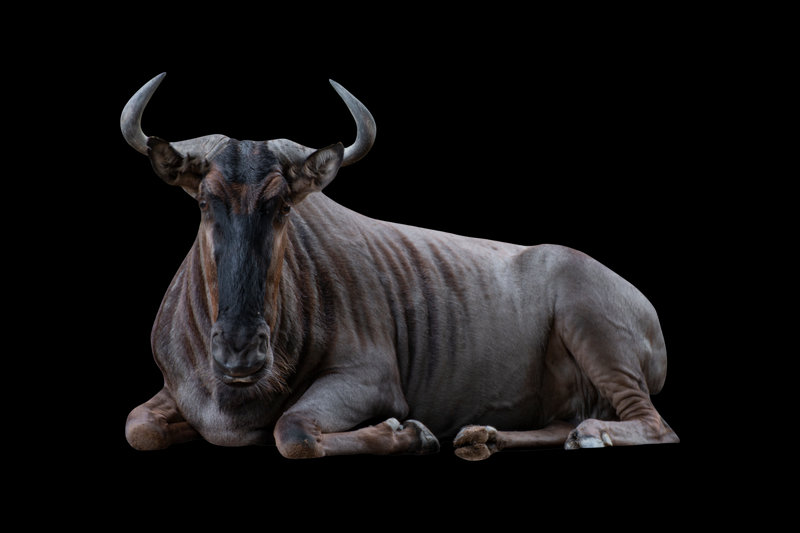
Wildebeest (Connochaetes taurinus)

Wildebeest (Connochaetes taurinus)

November: Mini-migration of 30000 wildebeest offers spectacular herd movements.

Empty

Least Concern

Medium Egret (Ardea intermedia)

Medium Egret (Ardea intermedia)

October-March Dry season concentrates prey for spotting egrets

Empty

Least Concern

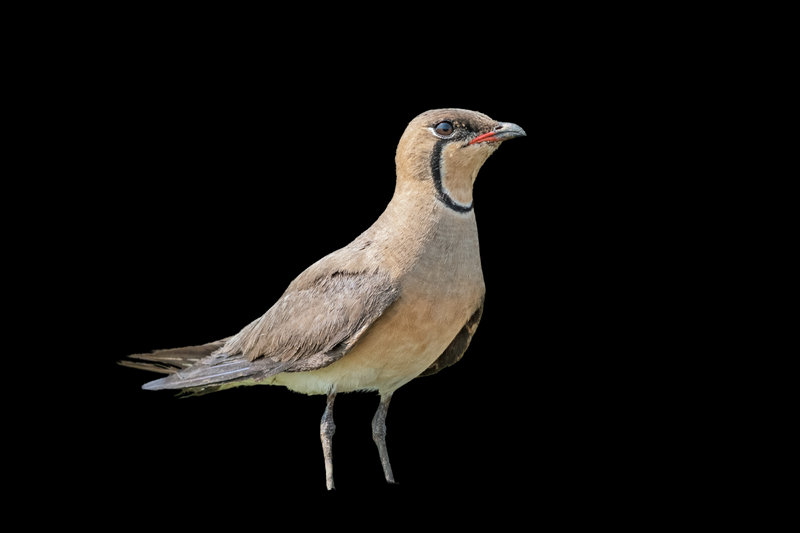
Oriental Pratincole (Glareola maldivarum)

Oriental Pratincole (Glareola maldivarum)

October-March Dry season concentrates insects for spotting pratincoles

Empty

Least Concern

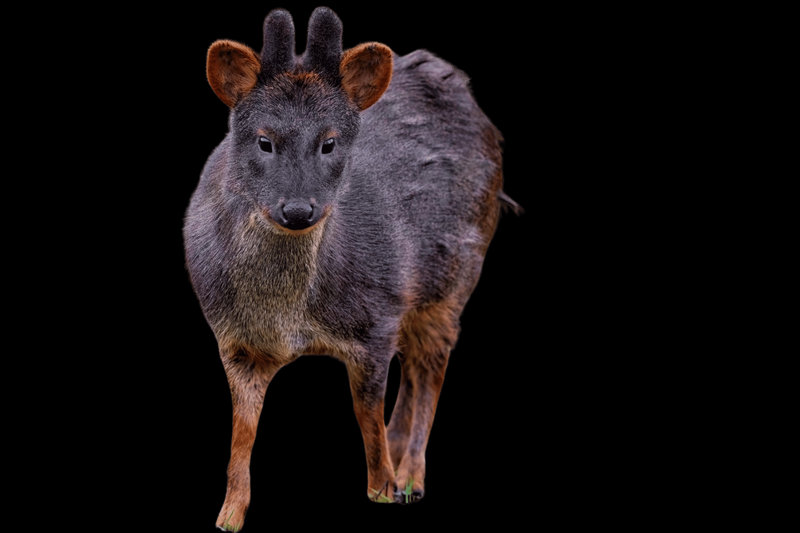
Southern Pudu (Pudu puda)

Southern Pudu (Pudu puda)

October-March

Empty

Near Threatened

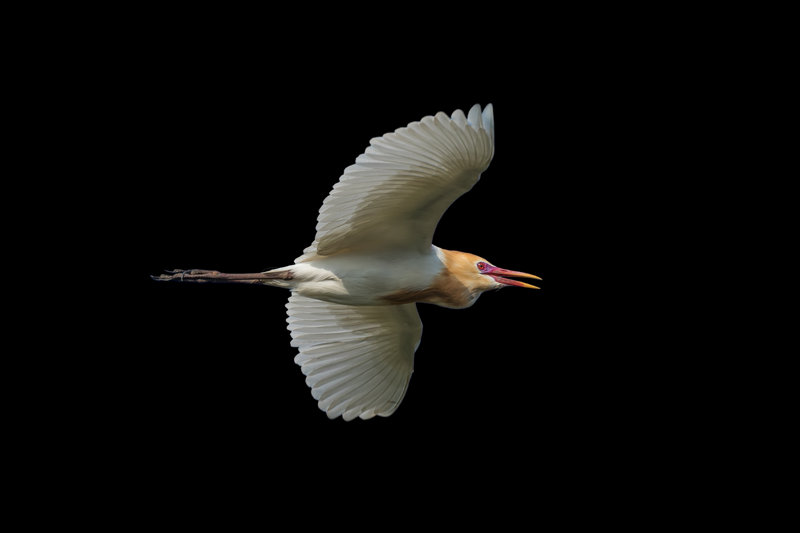
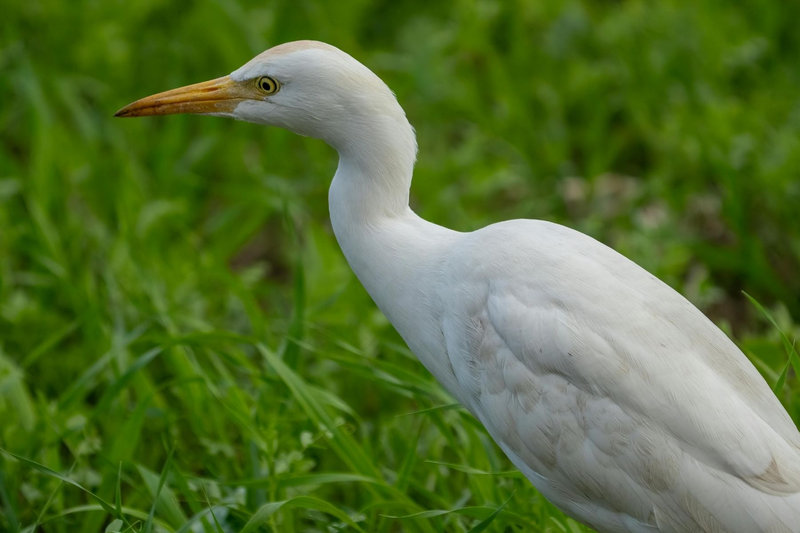
Eastern Cattle-Egret (Bubulcus coromandus)

Eastern Cattle-Egret (Bubulcus coromandus)

October-March Dry season enhances visibility in fields for spotting egrets

Empty

Least Concern

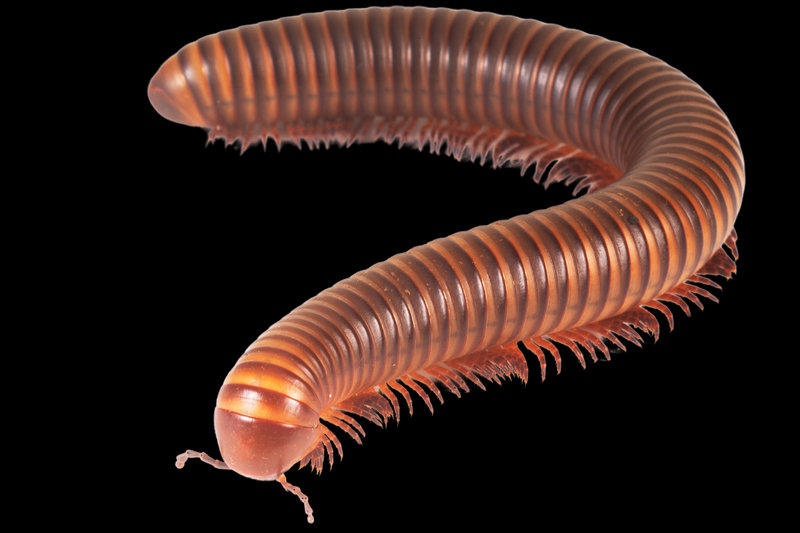
Millipede (Harpagophoridae spp., e.g., Giant African)

Millipede (Harpagophoridae spp., e.g., Giant African)

November-March: Wet season increases millipede activity on forest floors.

Empty

Not Evaluated

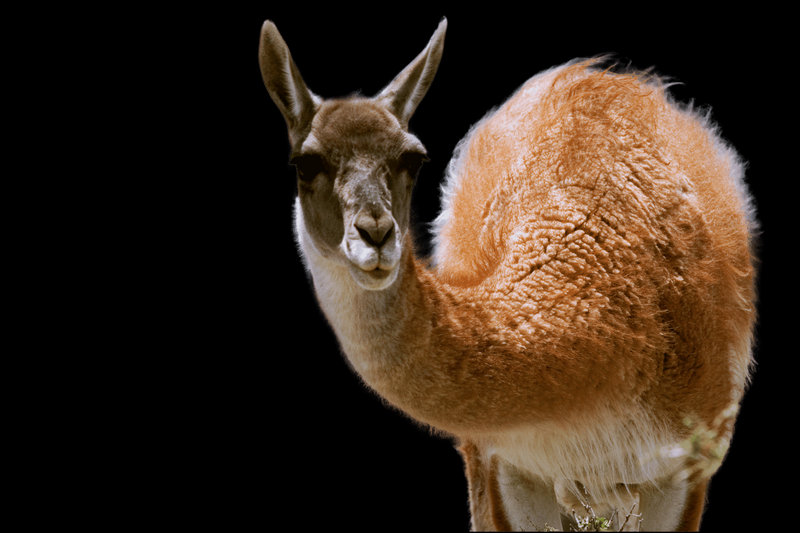
Guanaco (Lama guanicoe)

Guanaco (Lama guanicoe)

October-April

Empty

Least Concern

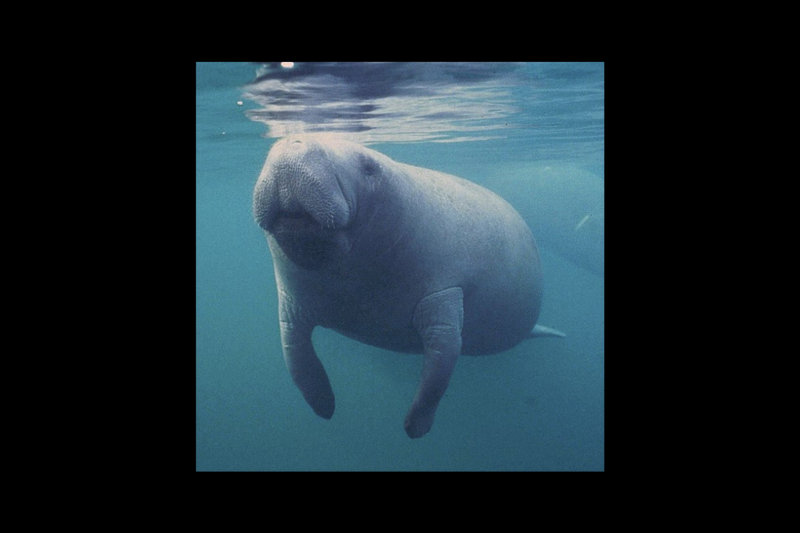
Florida Manatee (Trichechus manatus latirostris)

Florida Manatee (Trichechus manatus latirostris)

November to March at Blue Spring State Park, Orange City, FL, and Crystal River National Wildlife Refuge for the highest concentrations.

Empty

Threatened

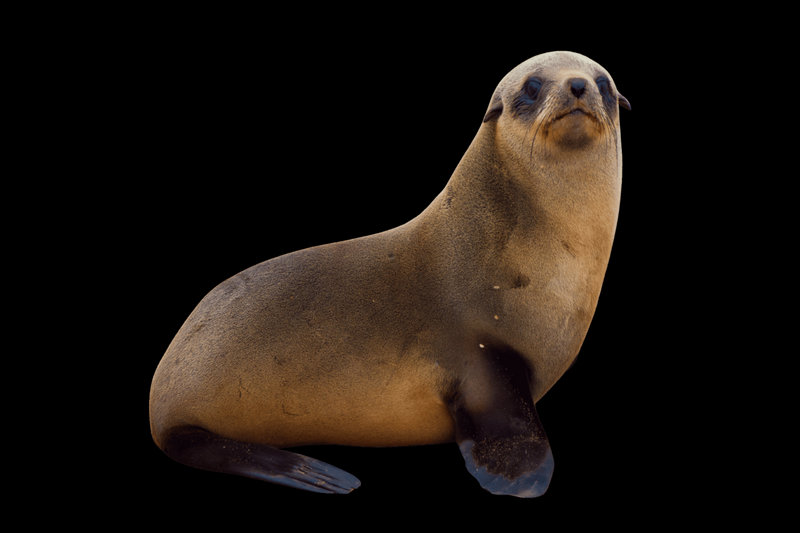
Cape Fur Seal (Arctocephalus pusillus)

Cape Fur Seal (Arctocephalus pusillus)

October-January

Empty

Least Concern

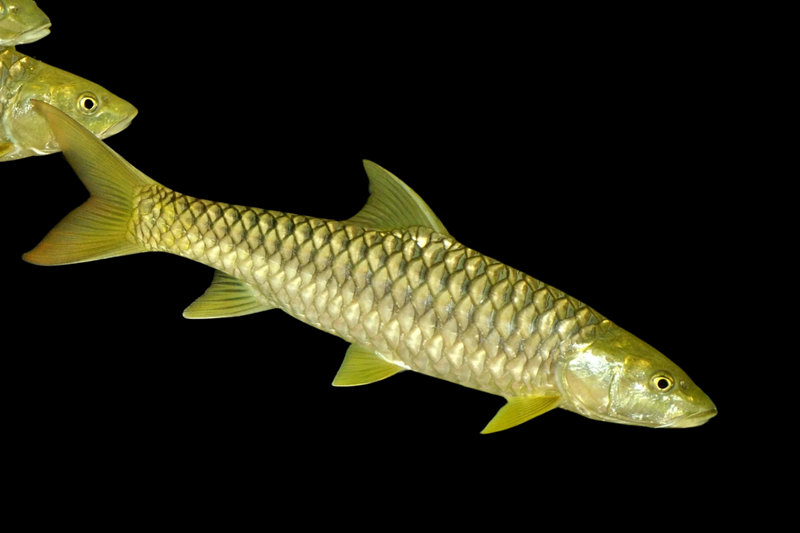
Golden Mahseer (Tor putitora)

Golden Mahseer (Tor putitora)

October-March. Cooler months improve fishing conditions for mahseer in clear rivers.

Empty

Endangered

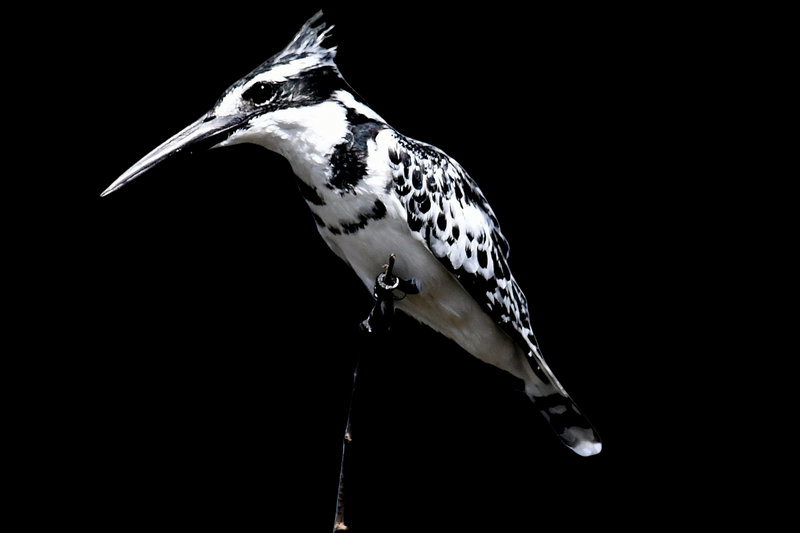
Pied Kingfisher (Ceryle rudis)

Pied Kingfisher (Ceryle rudis)

October-March Dry season enhances visibility near water for spotting kingfishers

Empty

Least Concern

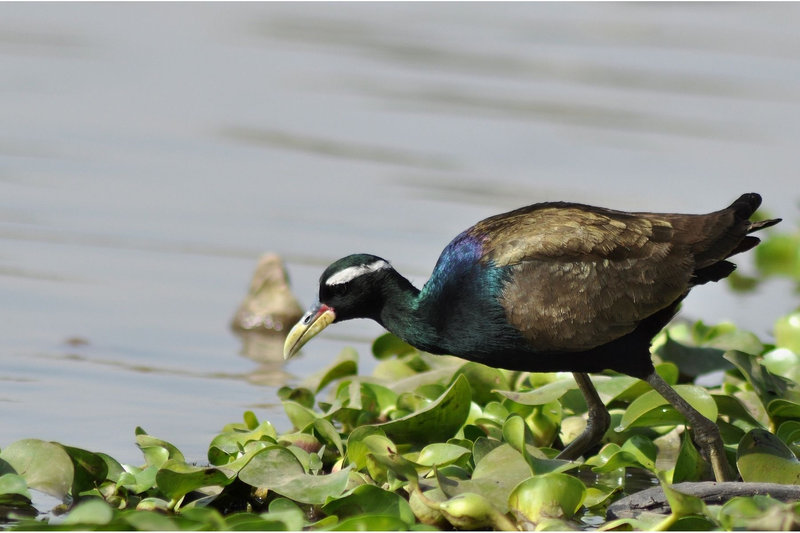
Bronze-winged Jacana (Metopidius indicus)

Bronze-winged Jacana (Metopidius indicus)

October-March Dry season concentrates food for spotting jacanas

Empty

Least Concern

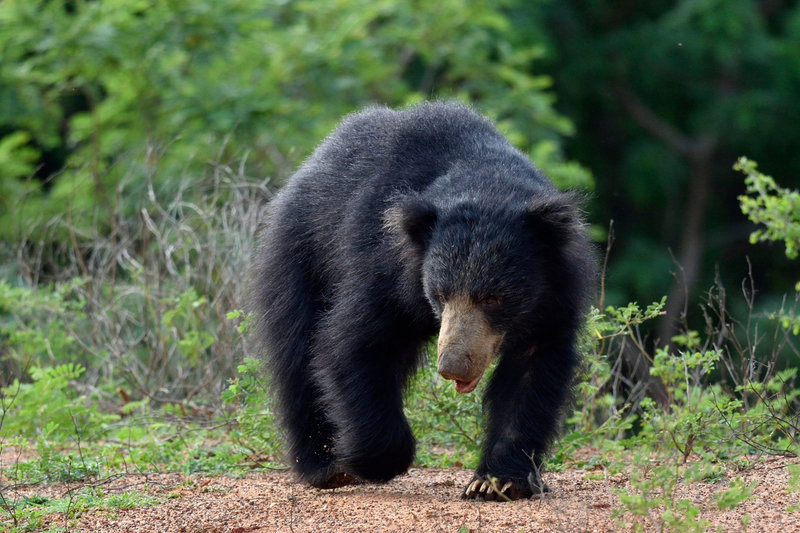
Sloth Bear (Melursus ursinus)

Sloth Bear (Melursus ursinus)

November-March. Dry season concentrates bears near water and fruit trees.

Empty

Vulnerable

African Fish Eagle (Haliaeetus vocifer)

African Fish Eagle (Haliaeetus vocifer)

May-November: Dry season makes eagles more visible on perches near the lake.

Empty

Least Concern

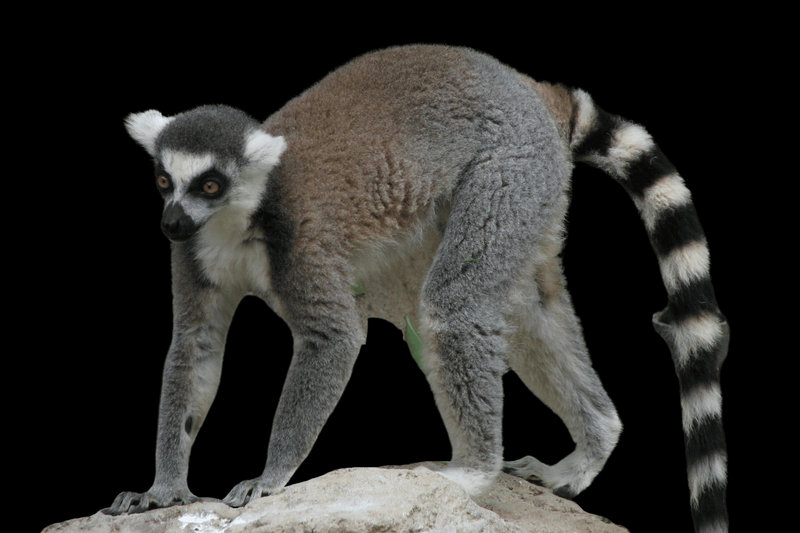
Ring-tailed Lemur (Lemur catta)

Ring-tailed Lemur (Lemur catta)

April-November

Empty

Endangered

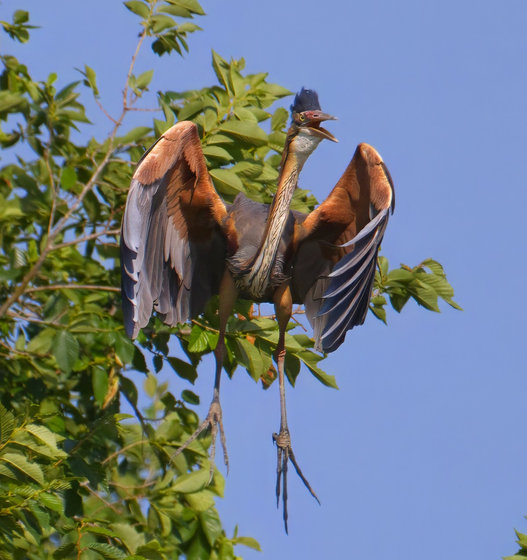
Purple Heron (Ardea purpurea)

Purple Heron (Ardea purpurea)

October-March Dry season enhances visibility in wetlands for spotting herons

Empty

Least Concern

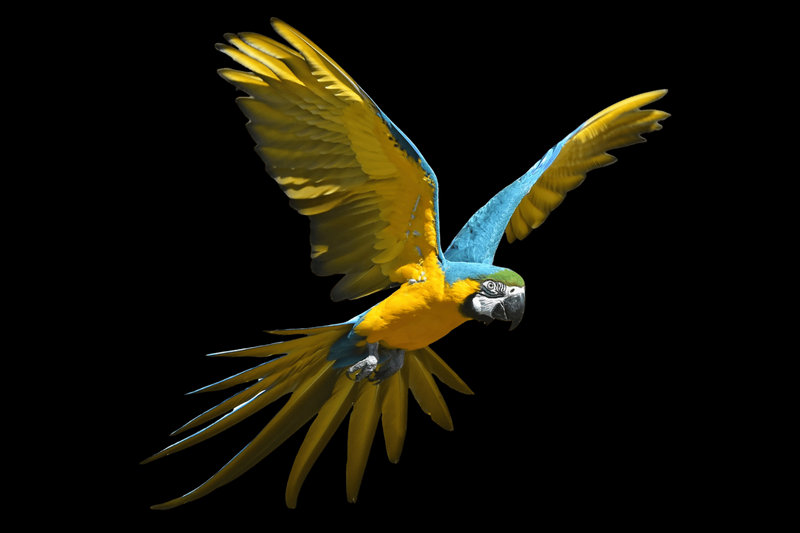
Blue-and-yellow Macaw (Ara ararauna)

Blue-and-yellow Macaw (Ara ararauna)

May-November

Empty

Least Concern

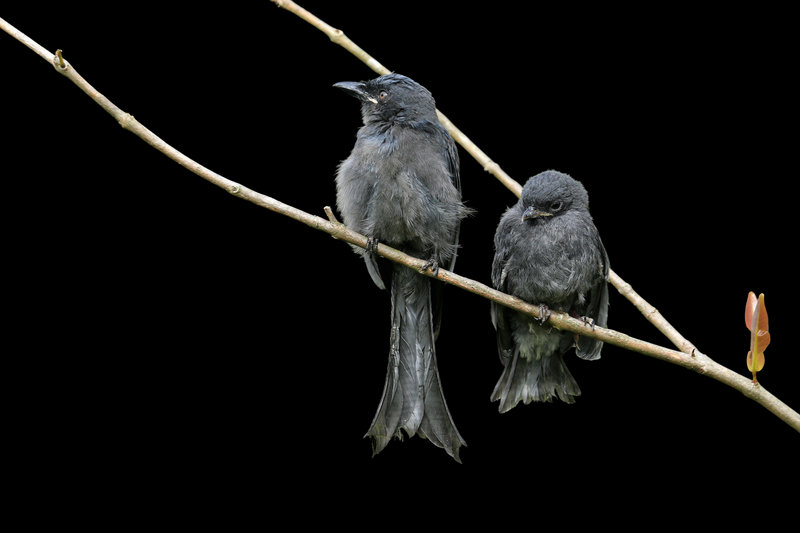
Ashy Drongo (Dicrurus leucophaeus)

Ashy Drongo (Dicrurus leucophaeus)

October-March Dry season enhances visibility for spotting drongos

Empty

Least Concern

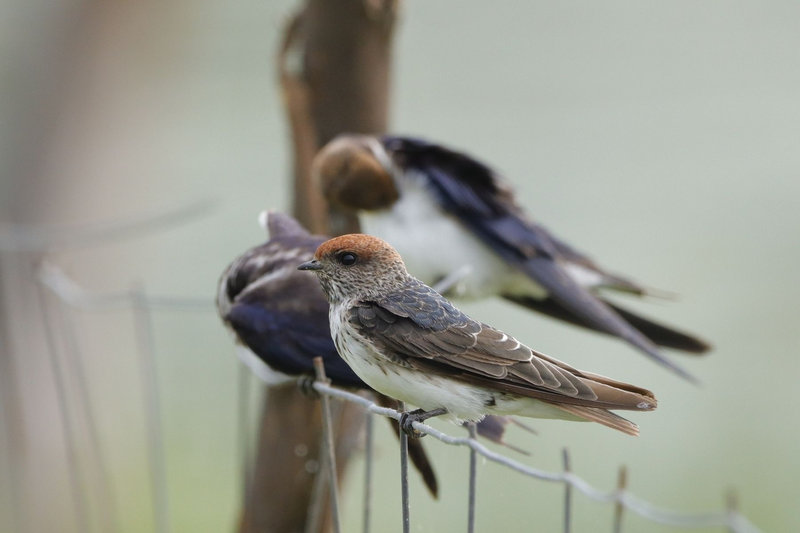
Streak-throated Swallow (Petrochelidon fluvicola)

Streak-throated Swallow (Petrochelidon fluvicola)

October-March Dry season enhances visibility over water for spotting swallows

Empty

Least Concern

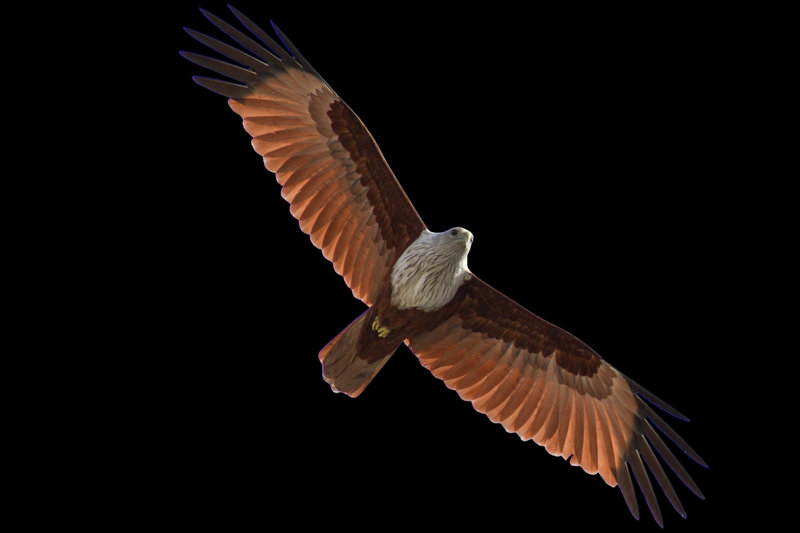
Brahminy Kite (Haliastur indus)

Brahminy Kite (Haliastur indus)

October-March Dry season concentrates fish for spotting kites

Empty

Near Threatened

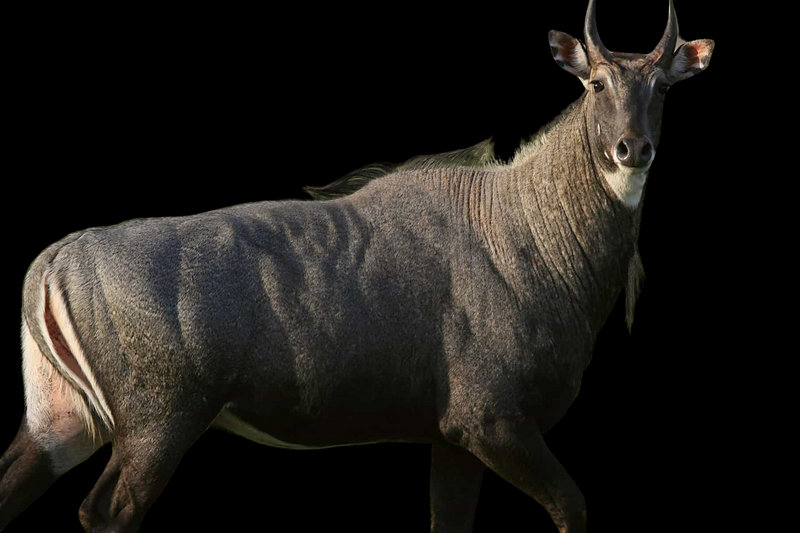
Nilgai (Boselaphus tragocamelus)

Nilgai (Boselaphus tragocamelus)

November-March. Dry season enhances visibility in open woodlands for nilgai.

Empty

Least Concern

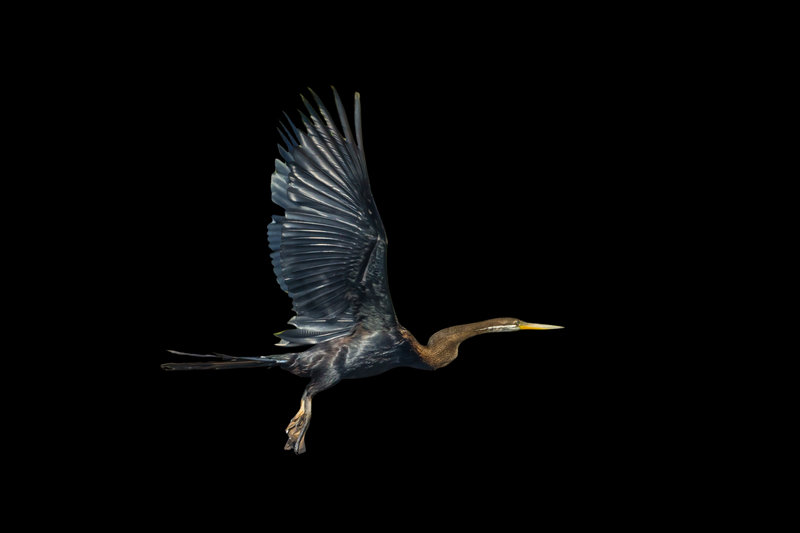
Oriental Darter (Anhinga melanogaster)

Oriental Darter (Anhinga melanogaster)

October-March Dry season concentrates fish for spotting darters

Empty

Near Threatened

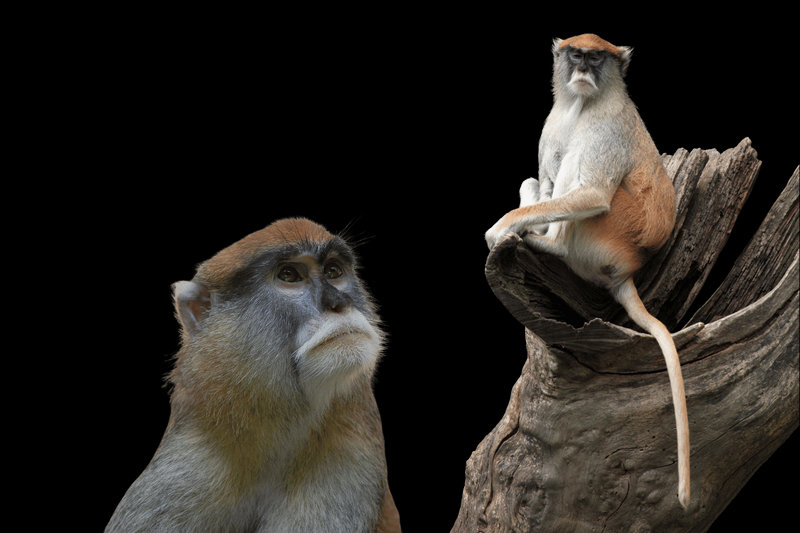
Patas Monkey (Erythrocebus patas)

Patas Monkey (Erythrocebus patas)

November-June

Empty

Near Threatened

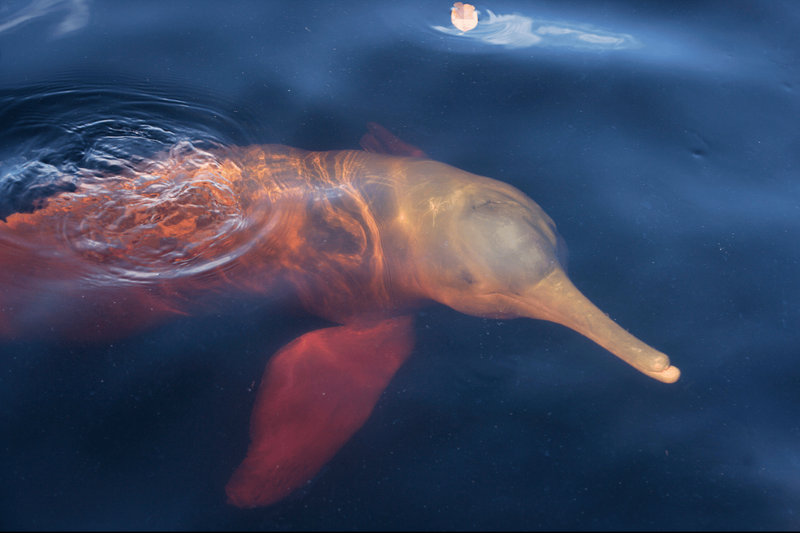
Amazon River Dolphin (Inia geoffrensis)

Amazon River Dolphin (Inia geoffrensis)

June-November

Empty

Endangered

Page 1 of 23

bottom of page