Home › Mammalia › Camelidae › Guanaco (Lama guanicoe)
SPECIES PROFILE
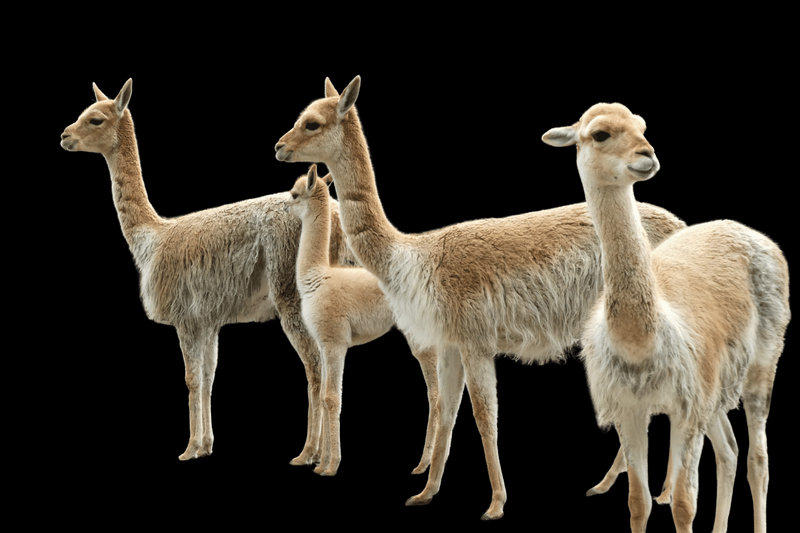
Guanaco (Lama guanicoe)
Lama
IUCN STATUS
Least Concern

CONSERVATION STATUS
Least Concern
CLASS
Mammalia
GEOGRAPHICAL RANGE
Andes and Patagonia
DIET
Herbivorous
HABITAT
Steppe, grassland, altiplano, scrub
🔬 Classification
PHYLUM
Chordata
CLASS
Mammalia
ORDER
Artiodactyla
FAMILY
Camelidae
GENUS
Lama
📋 Description
SIZE
Up to 1.2 m at shoulder; 90-140 kg
COLORATION
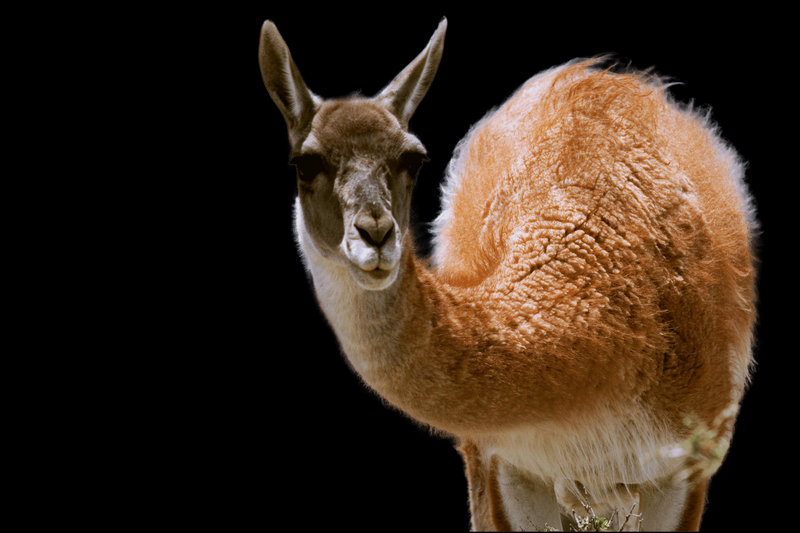
Light brown above, white below, grey face
ADAPTATIONS
Padded feet for rocky ground; blood adapted to high altitude
🌿 Ecology
HABITAT
Steppe, grassland, altiplano, scrub
DIET
Herbivorous
GEOGRAPHIC RANGE
Andes and Patagonia
REPRODUCTION
One chulengo (calf) per year
DIET DETAILS
Grasses, shrubs and lichens
⚠️ Threats & Conservation
PRIMARY THREATS
Habitat fragmentation, fencing, poaching
💡 Interesting Facts
1
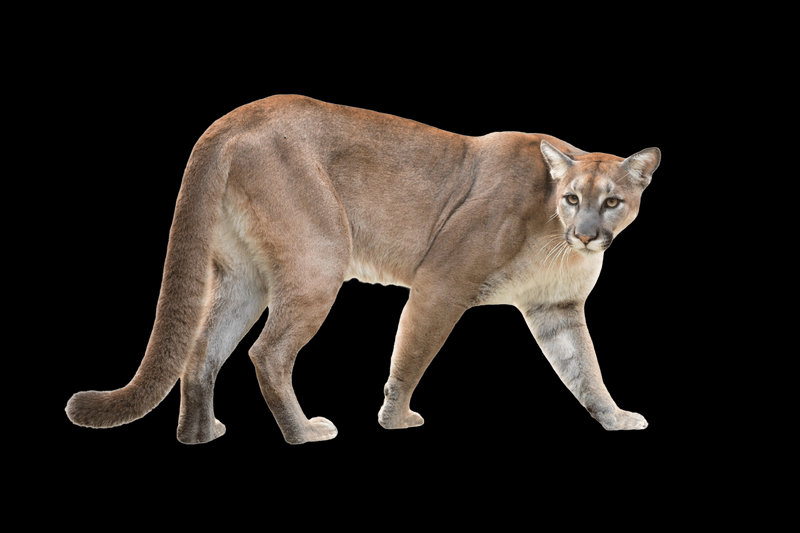
A wild relative of the llama, guanacos are the main prey of Patagonia's pumas.
2
They can run at 55 km/h and spit to defend themselves.
🔭 Sighting Guide
📍 BEST PLACES TO SIGHT
Torres del Paine NP
Valle Chacabuco (Patagonia NP)
🗓️ BEST TIME TO SIGHT
October-April
🎯 SIGHTING TIPS
Scan open steppe and hillsides in Torres del Paine at dawn; herds are easily seen from the road.