Home › Mammalia › Bovidae › Wildebeest (Connochaetes taurinus)
SPECIES PROFILE
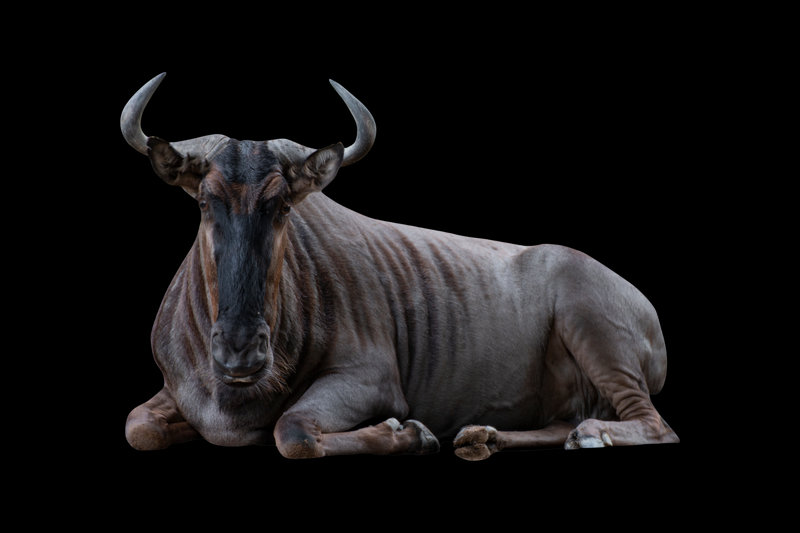
Wildebeest (Connochaetes taurinus)
Connochaetes
IUCN STATUS
Least Concern

CONSERVATION STATUS
Least Concern
CLASS
Mammalia
GEOGRAPHICAL RANGE
East and Southern Africa
DIET
Herbivorous
HABITAT
Savannas, grasslands
🔬 Classification
PHYLUM
Chordata
CLASS
Mammalia
ORDER
Artiodactyla
FAMILY
Bovidae
GENUS
Connochaetes
📋 Description
SIZE
1.9-2.4 m (body), 150-270 kg
COLORATION
Grey-brown with darker mane, beard
ADAPTATIONS
Herd behavior for predator evasion; stamina for migration
🌿 Ecology
HABITAT
Savannas, grasslands
DIET
Herbivorous
GEOGRAPHIC RANGE
East and Southern Africa
REPRODUCTION
Gestation 8.5 months, 1 calf; synchronized birthing
DIET DETAILS
Short grasses
⚠️ Threats & Conservation
PRIMARY THREATS
Habitat fragmentation, predation
💡 Interesting Facts
1
Great Migration: Wildebeest undertake the world's largest terrestrial migration, with over 1.5 million traveling 2,900 km annually across the Serengeti, facing crocodile-infested rivers and predators. This spectacle is a critical ecological event, supporting a vast predator-prey network.
2
Synchronized Calving: Around 80% of wildebeest calves are born within a three-week period, overwhelming predators like hyenas and lions with sheer numbers. This survival strategy ensures higher calf survival rates, as predators can't consume them all at once.
🔭 Sighting Guide
📍 BEST PLACES TO SIGHT
Serengeti National Park, Tanzania
Masai Mara National Reserve, Kenya
Liuwa Plain National Park, Zambia
🗓️ BEST TIME TO SIGHT
November: Mini-migration of 30000 wildebeest offers spectacular herd movements.
🎯 SIGHTING TIPS
Join guided drives to see wildebeest herds during their November migration.