Home › Mammalia › Otariidae › Cape Fur Seal (Arctocephalus pusillus)
SPECIES PROFILE
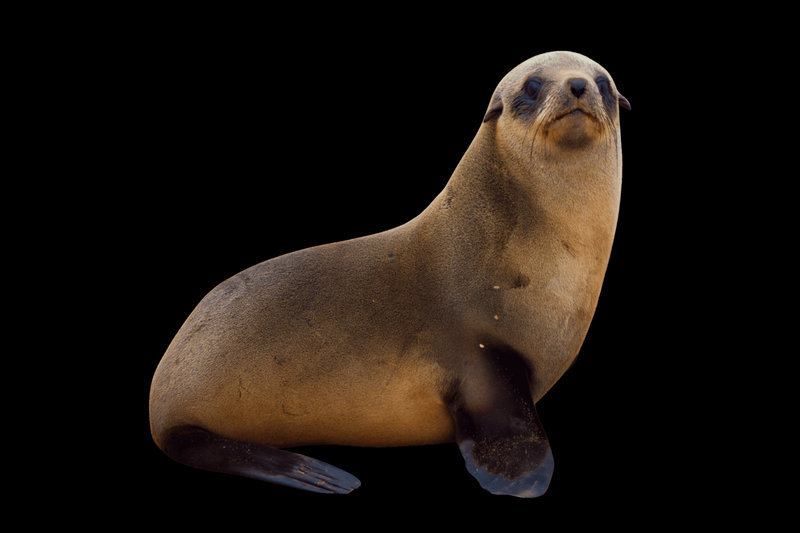
Cape Fur Seal (Arctocephalus pusillus)
Arctocephalus
IUCN STATUS
Least Concern

CONSERVATION STATUS
Least Concern
CLASS
Mammalia
GEOGRAPHICAL RANGE
Coasts of Namibia and South Africa
DIET
Carnivorous
HABITAT
Rocky and sandy Atlantic coasts
🔬 Classification
PHYLUM
Chordata
CLASS
Mammalia
ORDER
Carnivora
FAMILY
Otariidae
GENUS
Arctocephalus
📋 Description
SIZE
Males up to 2.3 m, 300 kg
COLORATION
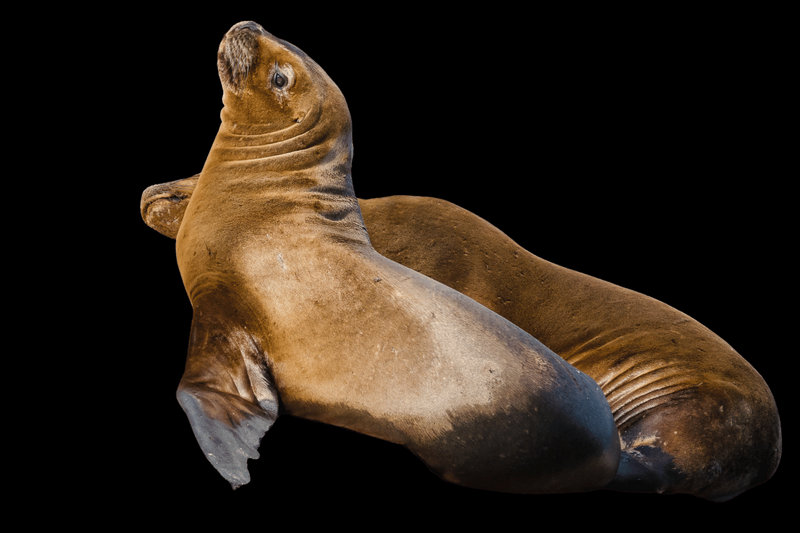
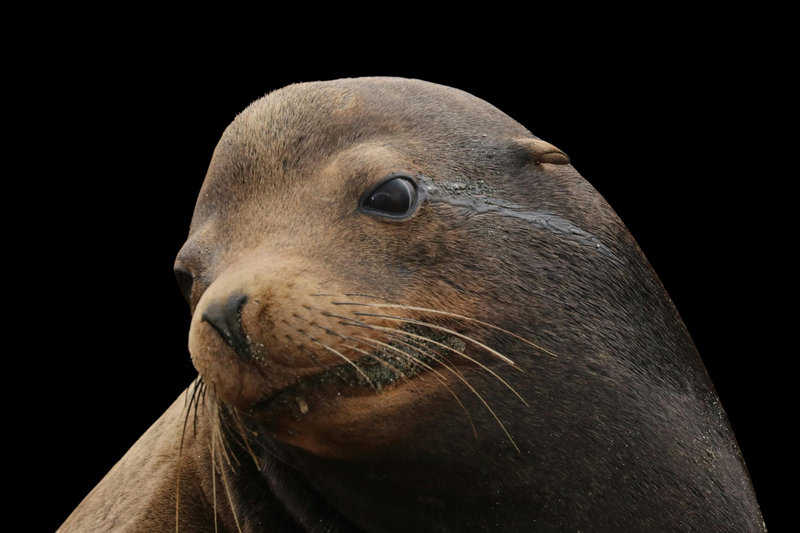
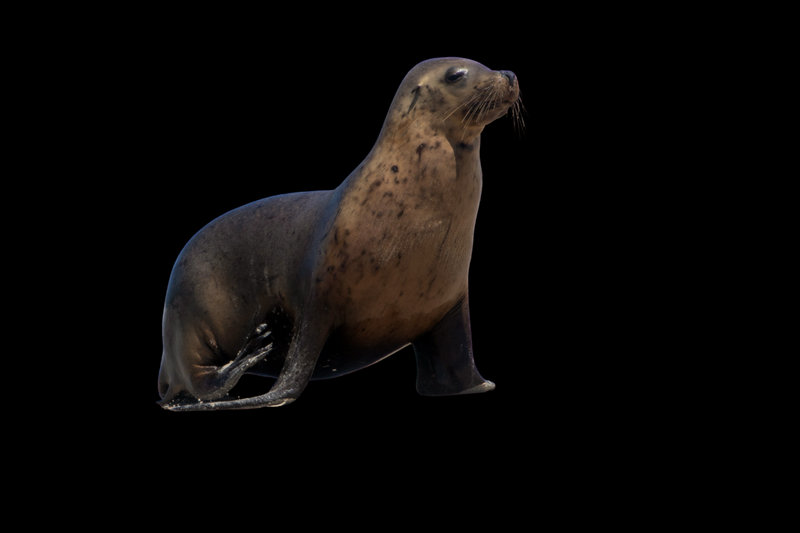
Grey-brown; males dark with a mane
ADAPTATIONS
Dense fur and blubber for the cold Benguela current
🌿 Ecology
HABITAT
Rocky and sandy Atlantic coasts
DIET
Carnivorous
GEOGRAPHIC RANGE
Coasts of Namibia and South Africa
REPRODUCTION
Single pup
DIET DETAILS
Fish, squid and crustaceans
⚠️ Threats & Conservation
PRIMARY THREATS
Fishing conflict, culling
💡 Interesting Facts
1
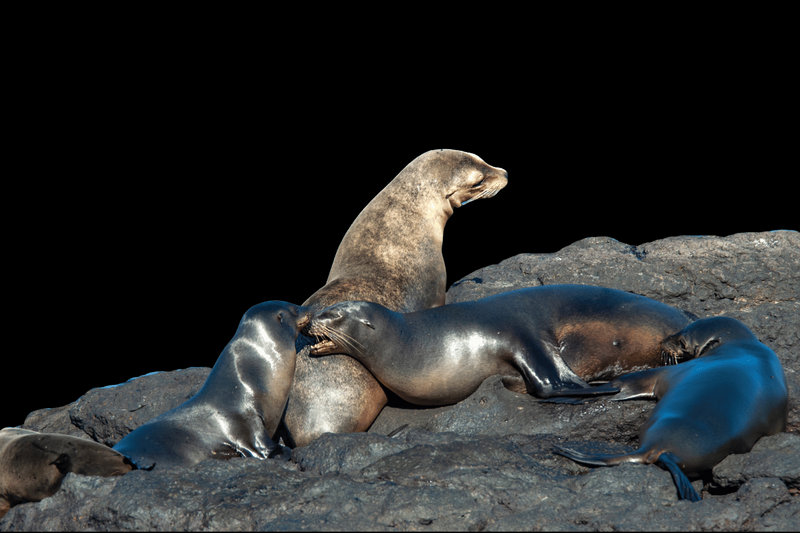
Cape Cross hosts one of the largest seal colonies on Earth, with over 200,000 animals.
2
Pups are born in a synchronised burst over just a few weeks each spring.
🔭 Sighting Guide
📍 BEST PLACES TO SIGHT
Cape Cross Seal Reserve
🗓️ BEST TIME TO SIGHT
October-January
🎯 SIGHTING TIPS
Visit the Cape Cross colony where tens of thousands of seals crowd the shore, loud and pungent.