Home › Aves › Ardeidae › Eastern Cattle-Egret (Bubulcus coromandus)
SPECIES PROFILE
Eastern Cattle-Egret (Bubulcus coromandus)
Bubulcus
IUCN STATUS
Least Concern

CONSERVATION STATUS
Least Concern
CLASS
Aves
GEOGRAPHICAL RANGE
Indian subcontinent southeast Asia
DIET
Carnivorous
HABITAT
Grasslands wetlands near grazing animals
🔬 Classification
PHYLUM
Chordata
CLASS
Aves
ORDER
Ciconiiformes
FAMILY
Ardeidae
GENUS
Bubulcus
📋 Description
SIZE
46-56 cm long 300-400 g
COLORATION
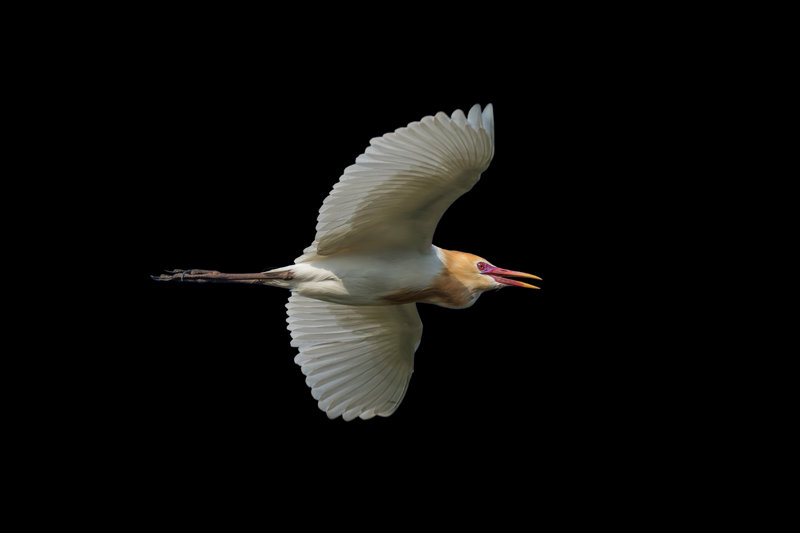
White with orange-buff in breeding season
ADAPTATIONS
Short neck and bill for grazing association
🌿 Ecology
HABITAT
Grasslands wetlands near grazing animals
DIET
Carnivorous
GEOGRAPHIC RANGE
Indian subcontinent southeast Asia
REPRODUCTION
Lays 2-4 eggs in tree nests incubated 22-26 days
DIET DETAILS
Insects ticks small vertebrates
⚠️ Threats & Conservation
PRIMARY THREATS
Agricultural pesticides habitat alteration
💡 Interesting Facts
1
Symbiotic Feeders: Eastern Cattle-Egrets follow cattle with 350-gram bodies eating 80 grams of insects daily in Bhigwan's fields. Their buff plumes signal breeding.
2
Farmland Friends: These egrets cover 6000 sq km near Bharatpur's grazing lands. Pesticides threaten their food source.
🔭 Sighting Guide
📍 BEST PLACES TO SIGHT
Bhigwan Bird Sanctuary in Maharashtra grasslands host eastern cattle-egret sightings
Bharatpur Bird Sanctuary in Rajasthan wetlands offer eastern cattle-egret sightings
Nal Sarovar Bird Sanctuary in Gujarat fields have eastern cattle-egret sightings
🗓️ BEST TIME TO SIGHT
October-March Dry season enhances visibility in fields for spotting egrets
🎯 SIGHTING TIPS
Look for eastern cattle-egrets near grazing cattle at midday