Home › Aves › Threskiornithidae › Roseate Spoonbill (Platalea ajaja)
SPECIES PROFILE
Roseate Spoonbill (Platalea ajaja)
Platalea
IUCN STATUS
Least Concern

CONSERVATION STATUS
Least Concern
CLASS
Aves
GEOGRAPHICAL RANGE
Coastal Florida, Texas, and Louisiana; also Caribbean, Central America, and South America
DIET
Carnivore
HABITAT
Shallow coastal wetlands, mangrove edges, tidal flats, and freshwater marshes; nests colonially in mangroves
🔬 Classification
PHYLUM
Chordata
CLASS
Aves
ORDER
Pelecaniformes
FAMILY
Threskiornithidae
GENUS
Platalea
📋 Description
SIZE
71–86 cm tall; wingspan 120–133 cm; 1.2–1.8 kg
COLORATION
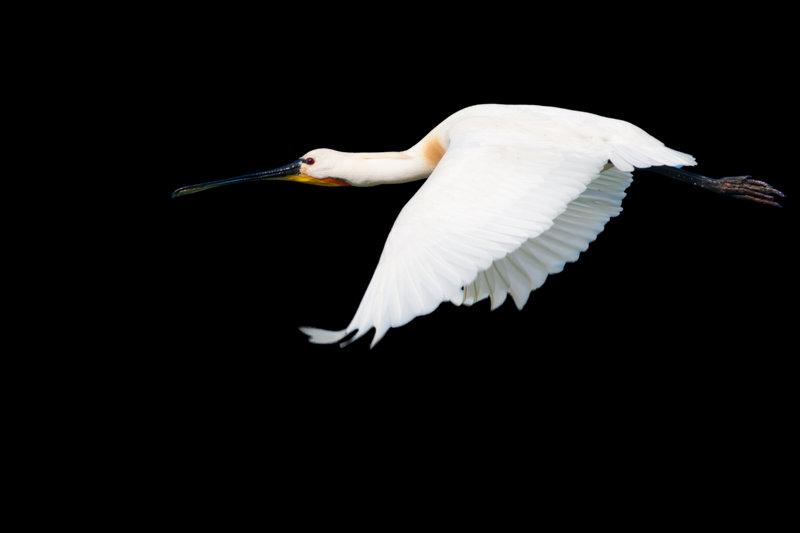
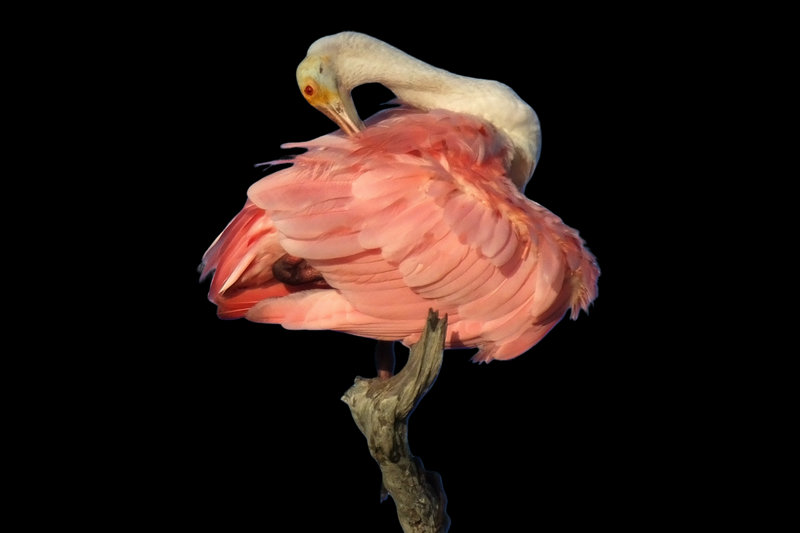
Vivid pink to scarlet wings and body; white neck and back; bare green head with orange eyes; distinctive spatula-shaped pink bill
ADAPTATIONS
Spoon-shaped bill swept side to side in shallow water detecting prey by touch; intense pink colouration from carotenoid pigments in food
🌿 Ecology
HABITAT
Shallow coastal wetlands, mangrove edges, tidal flats, and freshwater marshes; nests colonially in mangroves
DIET
Carnivore
GEOGRAPHIC RANGE
Coastal Florida, Texas, and Louisiana; also Caribbean, Central America, and South America
REPRODUCTION
Colonial nester in mangroves; 2–5 eggs; both parents incubate for 22–24 days; chicks fed by regurgitation
DIET DETAILS
Small fish, crustaceans, aquatic insects, and frogs detected by tactile bill-sweeping in shallow water
⚠️ Threats & Conservation
PRIMARY THREATS
Historical plume hunting reduced Florida population to fewer than 40 nesting pairs by 1935; recovered but sensitive to wetland loss and water management
💡 Interesting Facts
1
Roseate Spoonbills were hunted to near-extinction for their vivid pink plumage, which was used in ladies' fans in the late 1800s; the Florida population was reduced to fewer than 40 nesting pairs.
2
Spoonbills are pink because of the carotenoid pigments in the crustaceans and fish they eat — captive birds fed a plain diet lose their colour, just like flamingos.
🔭 Sighting Guide
📍 BEST PLACES TO SIGHT
J.N. Ding Darling National Wildlife Refuge on Sanibel Island, FL, has Roseate Spoonbills visible year-round on the Wildlife Drive
Everglades National Park near Flamingo, FL, has Roseate Spoonbills at Eco Pond and Snake Bight Trail
Rookery Bay National Estuarine Reserve near Naples, FL, has nesting Roseate Spoonbills in mangrove islands
🗓️ BEST TIME TO SIGHT
Year-round at J.N. Ding Darling NWR on Sanibel Island, FL; July and August for post-breeding flocks along Eco Pond in Everglades NP.
🎯 SIGHTING TIPS
Year-round in Florida; post-breeding flocks visible July to September; Ding Darling NWR and Everglades are the best locations.