Home › Reptilia › Alligatoridae › American Alligator (Alligator mississippiensis)
SPECIES PROFILE
American Alligator (Alligator mississippiensis)
Alligator
IUCN STATUS
Least Concern


CONSERVATION STATUS
Least Concern
CLASS
Reptilia
GEOGRAPHICAL RANGE
Southeastern US from North Carolina to Texas; most abundant in Florida and Louisiana
DIET
Carnivore
HABITAT
Freshwater wetlands including swamps, marshes, rivers, lakes, and ponds; occasionally in brackish coastal areas
🔬 Classification
PHYLUM
Chordata
CLASS
Reptilia
ORDER
Crocodilia
FAMILY
Alligatoridae
GENUS
Alligator
📋 Description
SIZE
1.8–4.0 m (males); up to 450 kg; females smaller at 1.8–3.0 m
COLORATION
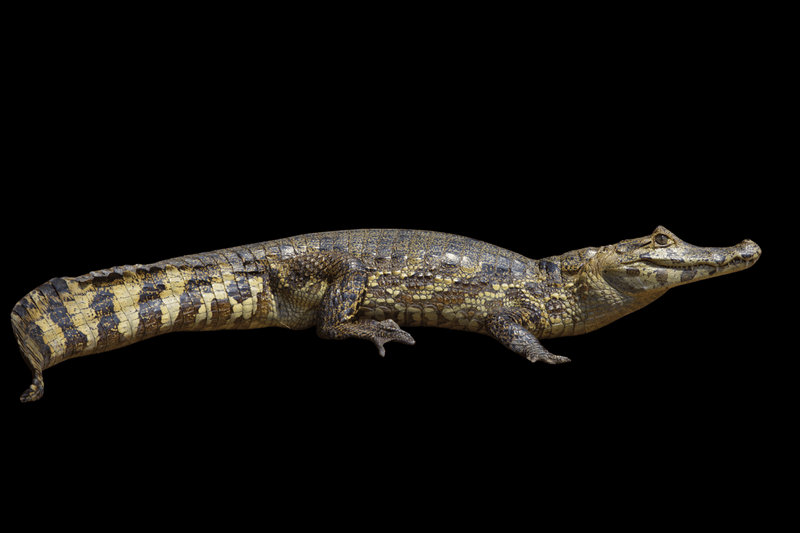
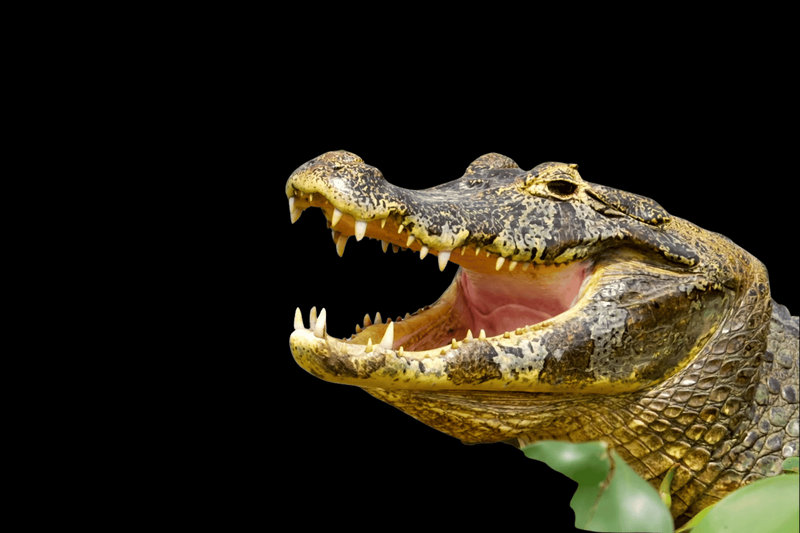
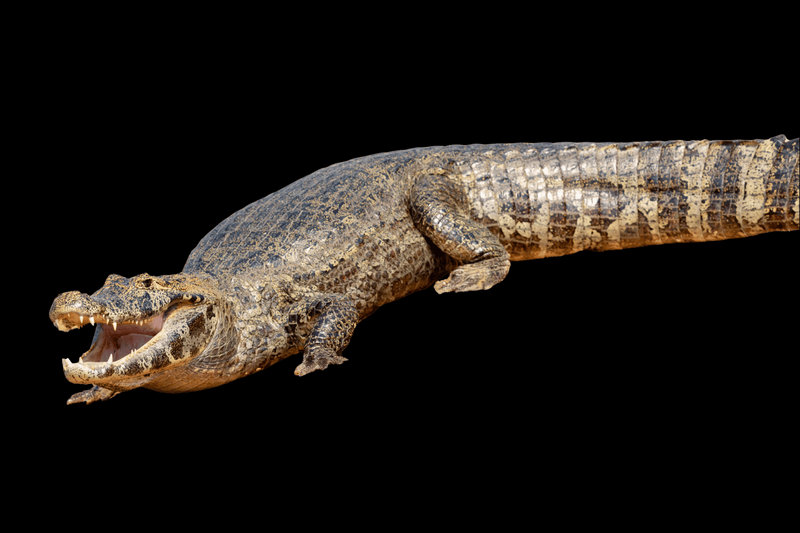
Dark grey to black armoured body with yellow-white underside; broad rounded snout; eyes and nostrils on top of head for ambush
ADAPTATIONS
Ectothermic; regulates temperature by basking; excavates gator holes that retain water during droughts, creating wildlife refuges
🌿 Ecology
HABITAT
Freshwater wetlands including swamps, marshes, rivers, lakes, and ponds; occasionally in brackish coastal areas
DIET
Carnivore
GEOGRAPHIC RANGE
Southeastern US from North Carolina to Texas; most abundant in Florida and Louisiana
REPRODUCTION
Female builds a nest mound of vegetation; 35–50 eggs; temperature determines hatchling sex; female guards nest and carries hatchlings to water
DIET DETAILS
Fish, turtles, water birds, mammals, and carrion; opportunistic ambush predator consuming almost anything it can overpower
⚠️ Threats & Conservation
PRIMARY THREATS
Historically hunted nearly to extinction for leather; fully recovered after Endangered Species Act protection; now managed as a game species
💡 Interesting Facts
1
The American Alligator's recovery from near-extinction is one of the greatest conservation successes of the Endangered Species Act; the species was delisted in 1987.
2
Alligators are ecosystem engineers — their gator holes retain water in the dry season and become critical water sources for fish, birds, and mammals during Florida droughts.
🔭 Sighting Guide
📍 BEST PLACES TO SIGHT
Anhinga Trail in Everglades National Park near Homestead, FL, has American Alligators at extremely close range
Okefenokee National Wildlife Refuge near Folkston, GA, has abundant American Alligators in blackwater swamp
Congaree National Park near Hopkins, SC, has American Alligators in the floodplain bottomland forest
🗓️ BEST TIME TO SIGHT
Year-round in Florida; best February to April when alligators warm themselves in cooler weather; Anhinga Trail in Everglades NP has close encounters.
🎯 SIGHTING TIPS
Spring to autumn. Everglades, Okefenokee Swamp, and South Carolina's ACE Basin have abundant alligators; basking peaks mid-morning.