Home › Aves › Threskiornithidae › Eurasian Spoonbill (Platalea leucorodia)
SPECIES PROFILE
Eurasian Spoonbill (Platalea leucorodia)
Platalea
IUCN STATUS
Least Concern

CONSERVATION STATUS
Least Concern
CLASS
Aves
GEOGRAPHICAL RANGE
Indian subcontinent Europe Africa
DIET
Carnivorous
HABITAT
Wetlands marshes estuaries
🔬 Classification
PHYLUM
Chordata
CLASS
Aves
ORDER
Ciconiiformes
FAMILY
Threskiornithidae
GENUS
Platalea
📋 Description
SIZE
80-90 cm long 1.2-2 kg
COLORATION
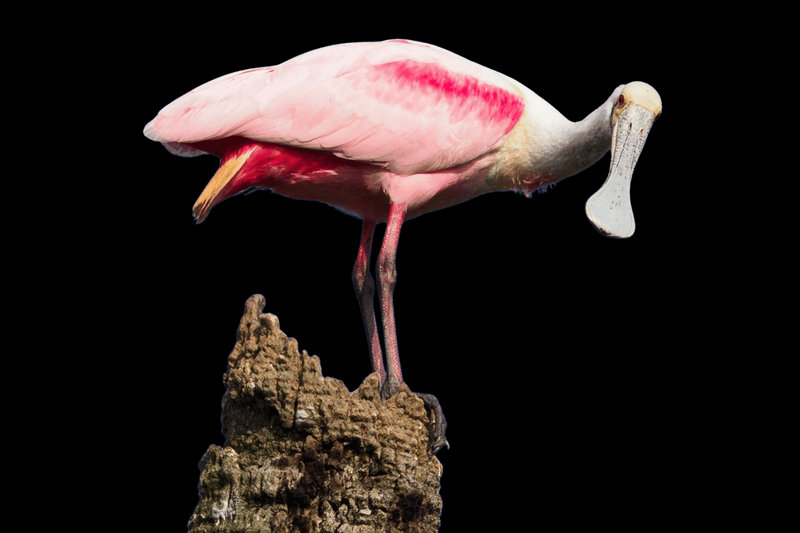
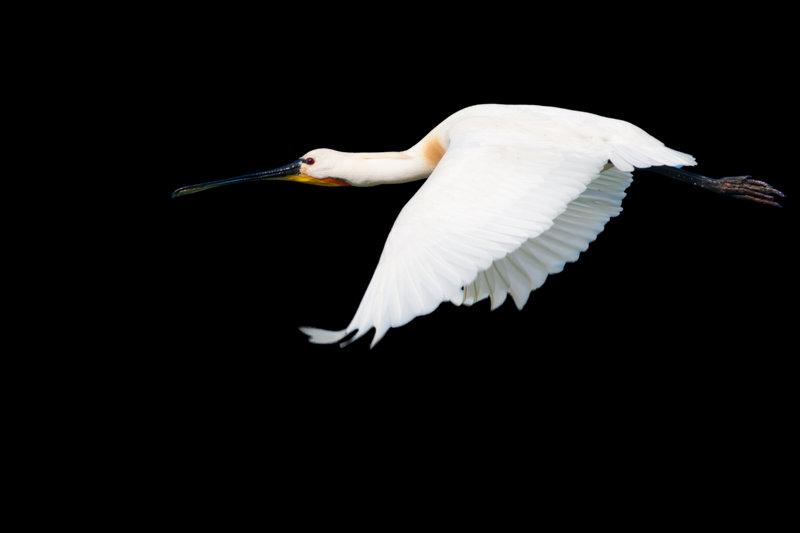
White with spoon-shaped bill yellow spot black facial skin
ADAPTATIONS
Long legs spoon bill for sifting water
🌿 Ecology
HABITAT
Wetlands marshes estuaries
DIET
Carnivorous
GEOGRAPHIC RANGE
Indian subcontinent Europe Africa
REPRODUCTION
Lays 3-4 eggs in reed nests incubated 24-28 days
DIET DETAILS
Fish crustaceans aquatic insects
⚠️ Threats & Conservation
PRIMARY THREATS
Wetland drainage pollution
💡 Interesting Facts
1
Spoon Sifters: Eurasian Spoonbills wade with 1.5 kg bodies eating 300 grams of crustaceans daily in Bharatpur's wetlands. Their spoon bills are unique.
2
Colonial Nesters: These spoonbills cover 4000 sq km in Odisha's marshes nesting in trees. Habitat loss threatens their colonies.
🔭 Sighting Guide
📍 BEST PLACES TO SIGHT
Bharatpur Bird Sanctuary in Rajasthan
Chilika Lake in Odisha
Nal Sarovar Bird Sanctuary in Gujarat
🗓️ BEST TIME TO SIGHT
October-March Dry season concentrates prey for spotting spoonbills
🎯 SIGHTING TIPS
Watch Eurasian spoonbills sweeping bills in shallow water