Home › Aves › Threskiornithidae › Black-headed Ibis (Threskiornis melanocephalus)
SPECIES PROFILE
Black-headed Ibis (Threskiornis melanocephalus)
Threskiornis
IUCN STATUS
Near Threatened

CONSERVATION STATUS
Near Threatened
CLASS
Aves
GEOGRAPHICAL RANGE
Indian subcontinent southeast Asia
DIET
Carnivorous
HABITAT
Wetlands marshes fields
🔬 Classification
PHYLUM
Chordata
CLASS
Aves
ORDER
Ciconiiformes
FAMILY
Threskiornithidae
GENUS
Threskiornis
📋 Description
SIZE
75-80 cm long 1-1.5 kg
COLORATION
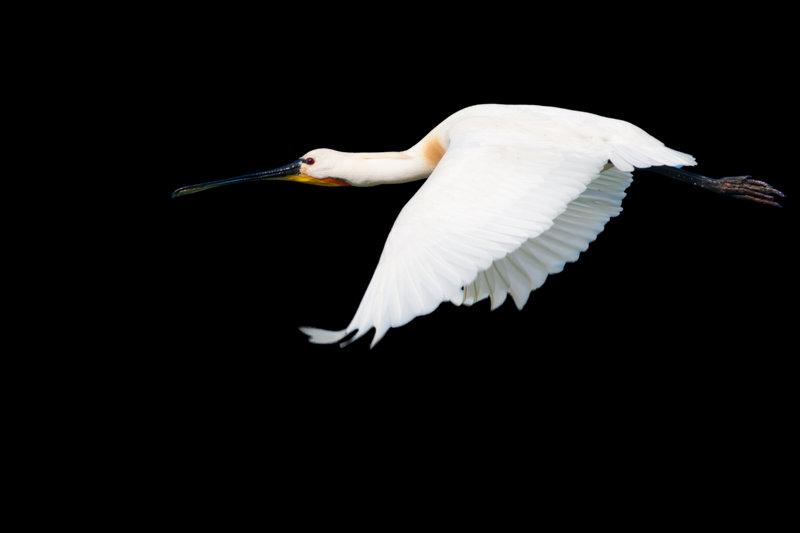
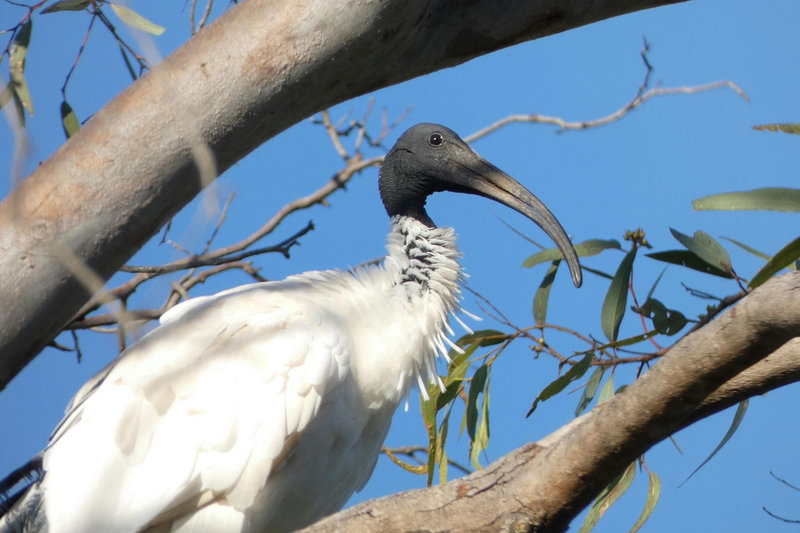
White with black head neck bare skin
ADAPTATIONS
Long curved bill for probing long legs for wading
🌿 Ecology
HABITAT
Wetlands marshes fields
DIET
Carnivorous
GEOGRAPHIC RANGE
Indian subcontinent southeast Asia
REPRODUCTION
Lays 2-4 eggs in tree nests incubated 23-25 days
DIET DETAILS
Insects frogs small fish
⚠️ Threats & Conservation
PRIMARY THREATS
Habitat loss hunting
💡 Interesting Facts
1
Black-headed Probing: Black-headed Ibises probe with 1.2 kg bodies eating 200 grams of insects daily in Bharatpur's wetlands. Their black heads are distinctive.
2
Colonial Foragers: These ibises cover 3000 sq km in Odisha's marshes nesting in trees. Pollution threatens their prey.
🔭 Sighting Guide
📍 BEST PLACES TO SIGHT
Bharatpur Bird Sanctuary in Rajasthan
Chilika Lake in Odisha
Nal Sarovar Bird Sanctuary in Gujarat
🗓️ BEST TIME TO SIGHT
October-March Dry season concentrates prey for spotting ibises
🎯 SIGHTING TIPS
Watch black-headed ibises probing in wetlands