Home › Aves › Phoenicopteridae › American Flamingo (Phoenicopterus ruber)
SPECIES PROFILE
American Flamingo (Phoenicopterus ruber)
Phoenicopterus
IUCN STATUS
Least Concern


CONSERVATION STATUS
Least Concern
CLASS
Aves
GEOGRAPHICAL RANGE
Caribbean, Gulf of Mexico, and South America; naturally occurring in Florida Bay and the Florida Keys; largest wild flock in the US
DIET
Filter feeder
HABITAT
Shallow tropical and subtropical saltwater lagoons, mangrove estuaries, and mudflats; uses brackish and hypersaline water bodies
🔬 Classification
PHYLUM
Chordata
CLASS
Aves
ORDER
Phoenicopteriformes
FAMILY
Phoenicopteridae
GENUS
Phoenicopterus
📋 Description
SIZE
120–145 cm tall; wingspan 140–160 cm; 2.8–4.0 kg
COLORATION
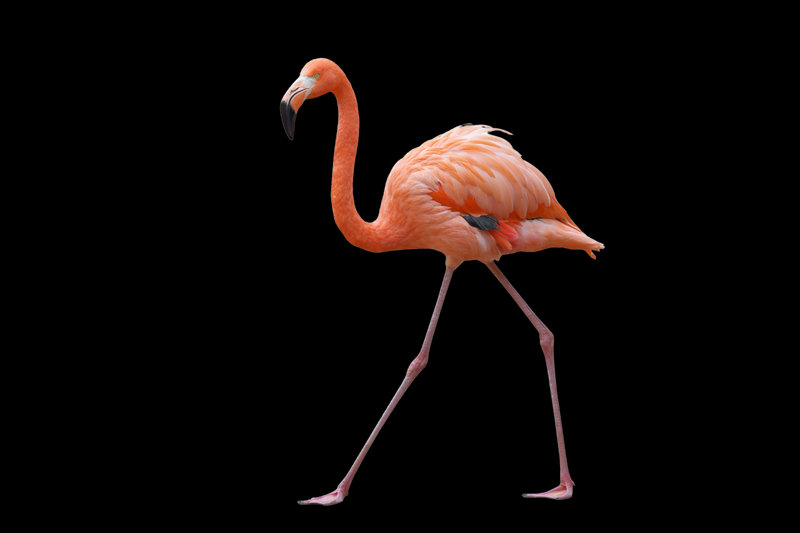
Vivid pink to scarlet plumage from carotenoid pigments; long pink legs; distinctive bent bill for filter feeding; white flight feathers with black tips
ADAPTATIONS
Distinctive bent bill holds upside down while filter feeding; leg colour intensifies with diet quality; can stand on one leg to reduce heat loss
🌿 Ecology
HABITAT
Shallow tropical and subtropical saltwater lagoons, mangrove estuaries, and mudflats; uses brackish and hypersaline water bodies
DIET
Filter feeder
GEOGRAPHIC RANGE
Caribbean, Gulf of Mexico, and South America; naturally occurring in Florida Bay and the Florida Keys; largest wild flock in the US
REPRODUCTION
Single egg on a mud mound nest; both parents incubate for 27–31 days; chick grey and white at birth, pink develops over 2–3 years
DIET DETAILS
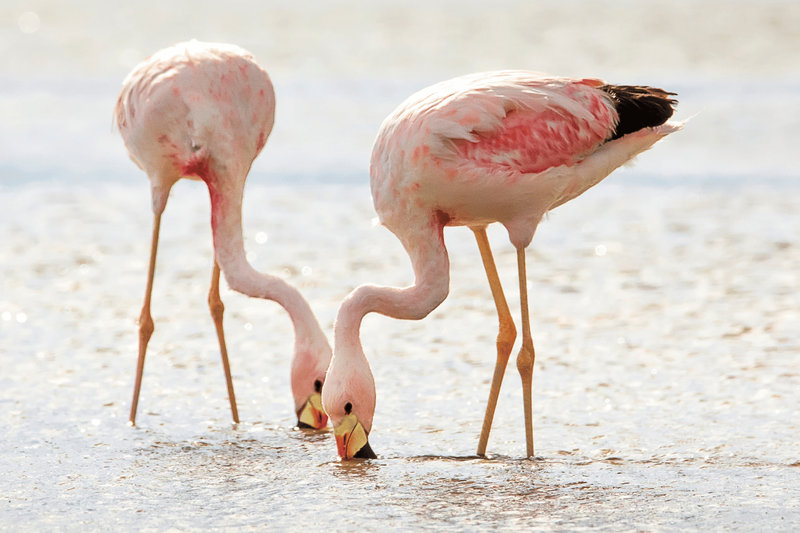
Algae, diatoms, brine shrimp, molluscs, and small crustaceans filtered from muddy water by the inverted bill; pink carotenoids come from food
⚠️ Threats & Conservation
PRIMARY THREATS
Habitat loss of shallow coastal lagoons; disturbance at nesting colonies; historically hunted for plumage; mercury in prey items
💡 Interesting Facts
1
American Flamingos are pink because of the carotenoid pigments in the brine shrimp and algae they eat; a flamingo fed a colourless diet turns white within months.
2
Long dismissed as escaped captives, American Flamingos in Florida are now recognised as a naturally occurring population with evidence of historical nesting; Florida Bay holds the largest regularly occurring wild flock in the US.
🔭 Sighting Guide
📍 BEST PLACES TO SIGHT
Eco Pond in Everglades National Park near Flamingo, FL, is the most reliable location for American Flamingos in the US
Snake Bight Trail in Everglades National Park, FL, provides access to Florida Bay flamingo feeding flats
Florida Bay near Key Largo, FL, has American Flamingos foraging in shallow hypersaline lagoons
🗓️ BEST TIME TO SIGHT
Year-round in Florida Bay near Flamingo in Everglades NP and at Snake Bight; large flocks visible from the observation tower at Eco Pond.
🎯 SIGHTING TIPS
Year-round in Florida Bay and the Florida Keys; naturally occurring population established in south Florida.