Home › Mammalia › Felidae › Jaguar (Panthera onca)
SPECIES PROFILE
Jaguar (Panthera onca)
Panthera
IUCN STATUS
Near Threatened

CONSERVATION STATUS
Near Threatened
CLASS
Mammalia
GEOGRAPHICAL RANGE
Central and South America
DIET
Carnivorous
HABITAT
Wetlands, rainforest, gallery forest
🔬 Classification
PHYLUM
Chordata
CLASS
Mammalia
ORDER
Carnivora
FAMILY
Felidae
GENUS
Panthera
📋 Description
SIZE
Up to 1.8 m body + 75 cm tail; 55-100 kg
COLORATION
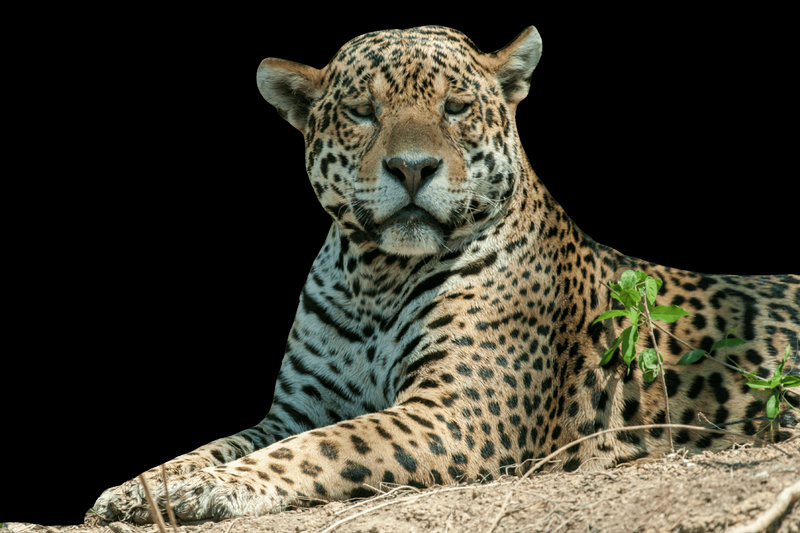
Tawny-yellow coat with black rosettes; melanistic 'black panthers' occur
ADAPTATIONS
Most powerful bite of any big cat; swims readily
🌿 Ecology
HABITAT
Wetlands, rainforest, gallery forest
DIET
Carnivorous
GEOGRAPHIC RANGE
Central and South America
REPRODUCTION
1-4 cubs after ~100-day gestation
DIET DETAILS
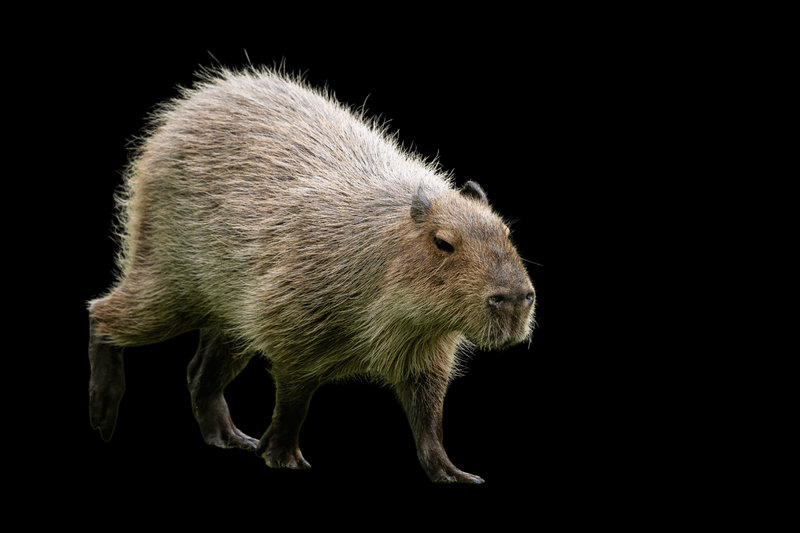
Capybara, caiman, fish, peccary; ambush hunter
⚠️ Threats & Conservation
PRIMARY THREATS
Habitat loss, ranching conflict, poaching
💡 Interesting Facts
1
The Pantanal holds the highest density of jaguars on Earth, and they hunt caiman in the water.
2
Jaguars kill prey with a unique bite through the skull rather than the throat.
🔭 Sighting Guide
📍 BEST PLACES TO SIGHT
Porto Jofre, Pantanal
Encontro das Águas State Park
Pantanal Matogrossense NP
🗓️ BEST TIME TO SIGHT
June-October
🎯 SIGHTING TIPS
Take slow boat trips along the Cuiabá and Três Irmãos rivers at dawn and dusk to spot jaguars resting on the banks.