Home › Mammalia › Caviidae › Capybara (Hydrochoerus hydrochaeris)
SPECIES PROFILE
Capybara (Hydrochoerus hydrochaeris)
Hydrochoerus
IUCN STATUS
Least Concern

CONSERVATION STATUS
Least Concern
CLASS
Mammalia
GEOGRAPHICAL RANGE
Most of South America east of the Andes
DIET
Herbivorous
HABITAT
Wetlands, riverbanks, marshes
🔬 Classification
PHYLUM
Chordata
CLASS
Mammalia
ORDER
Rodentia
FAMILY
Caviidae
GENUS
Hydrochoerus
📋 Description
SIZE
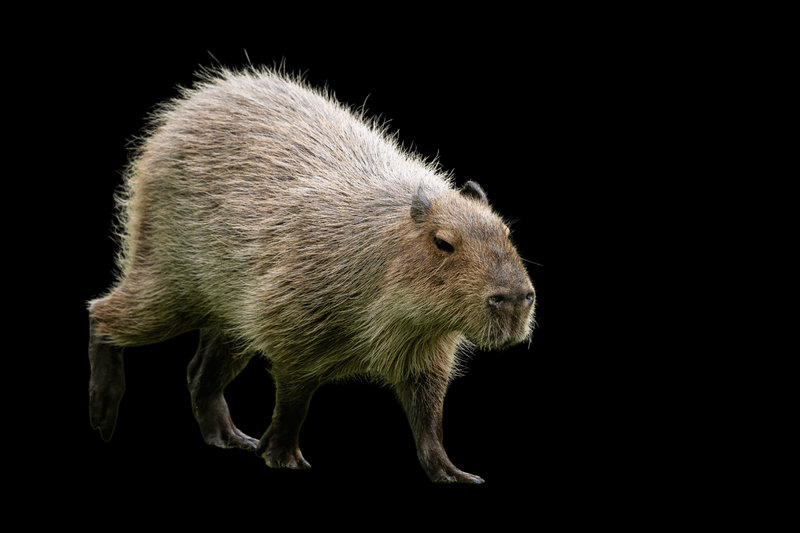
Up to 1.3 m long; 35-66 kg
COLORATION
Reddish-brown coarse fur
ADAPTATIONS
Semi-aquatic; eyes, ears and nostrils set high on the head
🌿 Ecology
HABITAT
Wetlands, riverbanks, marshes
DIET
Herbivorous
GEOGRAPHIC RANGE
Most of South America east of the Andes
REPRODUCTION
4-5 pups per litter
DIET DETAILS
Grasses and aquatic plants
⚠️ Threats & Conservation
PRIMARY THREATS
Hunting in some areas; generally abundant
💡 Interesting Facts
1
The world's largest rodent, capybaras can weigh as much as a large dog and dive to escape predators.
2
They are highly social and often seen with birds perched on their backs.
🔭 Sighting Guide
📍 BEST PLACES TO SIGHT
Pantanal
Ibera Wetlands
🗓️ BEST TIME TO SIGHT
Year-round
🎯 SIGHTING TIPS
Look near water margins at dawn and dusk; capybaras are almost always found in family groups.
🐾 You Might Also Want to See...

Species
Range
Status
Species
Range
Status
Species
Range
Status
Species
Range
Status