Home › Mammalia › Myrmecophagidae › Giant Anteater (Myrmecophaga tridactyla)
SPECIES PROFILE
Giant Anteater (Myrmecophaga tridactyla)
Myrmecophaga
IUCN STATUS
Vulnerable

CONSERVATION STATUS
Vulnerable
CLASS
Mammalia
GEOGRAPHICAL RANGE
Central and South America
DIET
Insectivorous
HABITAT
Grassland, cerrado, savanna, wetlands
🔬 Classification
PHYLUM
Chordata
CLASS
Mammalia
ORDER
Pilosa
FAMILY
Myrmecophagidae
GENUS
Myrmecophaga
📋 Description
SIZE
Up to 2.1 m incl. tail; 22-40 kg
COLORATION
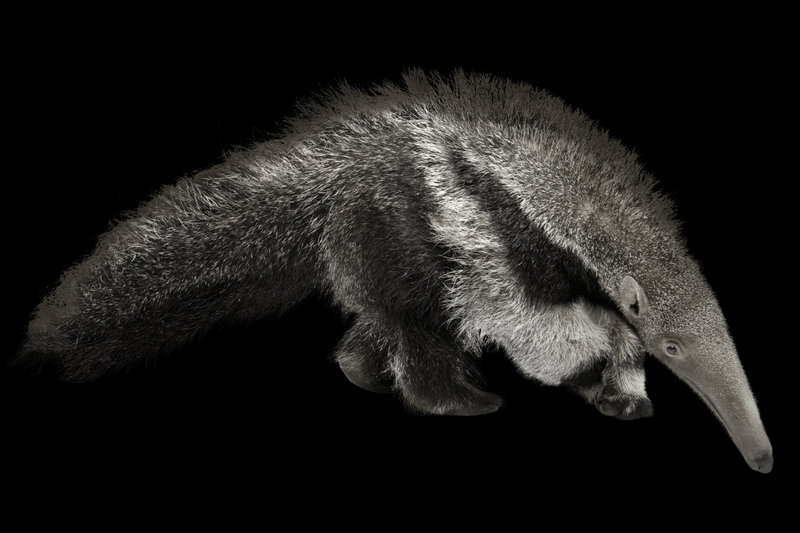
Grey with a black-and-white shoulder stripe and bushy tail
ADAPTATIONS
60 cm sticky tongue flicks up to 150 times a minute; powerful claws
🌿 Ecology
HABITAT
Grassland, cerrado, savanna, wetlands
DIET
Insectivorous
GEOGRAPHIC RANGE
Central and South America
REPRODUCTION
Single pup carried on the mother's back
DIET DETAILS
Ants and termites, up to 30,000 a day
⚠️ Threats & Conservation
PRIMARY THREATS
Road deaths, fires, habitat loss
💡 Interesting Facts
1
Its tongue is longer than its head and it has no teeth at all.
2
Emas and Serra da Canastra are among the best places on Earth to see them in the open.
🔭 Sighting Guide
📍 BEST PLACES TO SIGHT
Emas National Park
Serra da Canastra NP
🗓️ BEST TIME TO SIGHT
June-October
🎯 SIGHTING TIPS
Scan open cerrado grassland at dawn and dusk when anteaters are most active and easiest to spot.