Home › Mammalia › Felidae › Canada Lynx (Lynx canadensis)
SPECIES PROFILE
Canada Lynx (Lynx canadensis)
Lynx
IUCN STATUS
Least Concern

CONSERVATION STATUS
Least Concern
CLASS
Mammalia
GEOGRAPHICAL RANGE
Boreal forest across Canada from Yukon to Newfoundland; extends into northern US Rocky Mountains
DIET
Carnivore
HABITAT
Boreal forest with dense undergrowth of young conifers; dependent on deep-snow habitats where it outcompetes coyotes
🔬 Classification
PHYLUM
Chordata
CLASS
Mammalia
ORDER
Carnivora
FAMILY
Felidae
GENUS
Lynx
📋 Description
SIZE
80–100 cm body length; 8–14 kg
COLORATION
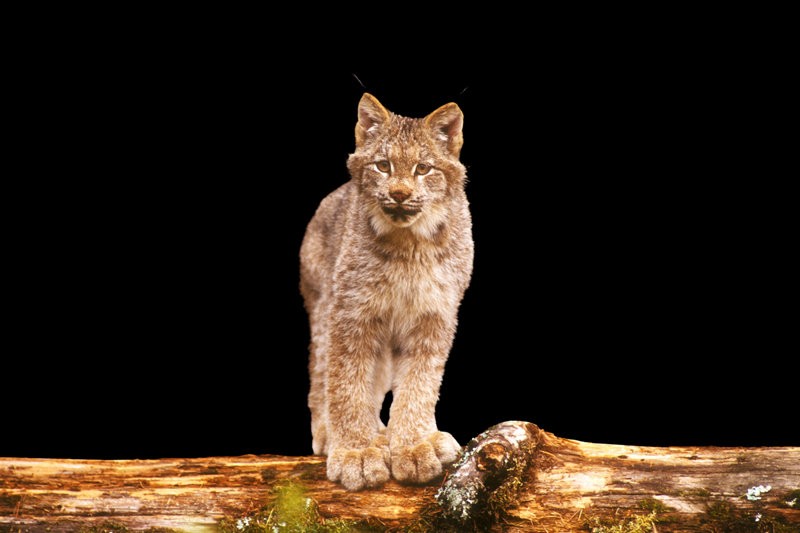
Pale grey to tawny coat with faint spots; very large padded paws; prominent ear tufts; short black-tipped tail
ADAPTATIONS
Massive wide paws act as natural snowshoes; population cycle directly tied to the snowshoe hare boom-bust cycle
🌿 Ecology
HABITAT
Boreal forest with dense undergrowth of young conifers; dependent on deep-snow habitats where it outcompetes coyotes
DIET
Carnivore
GEOGRAPHIC RANGE
Boreal forest across Canada from Yukon to Newfoundland; extends into northern US Rocky Mountains
REPRODUCTION
Kittens born May to June in a litter of 1–5; mother alone raises kittens for about 9 months
DIET DETAILS
Snowshoe hare makes up 75–97% of the diet; also squirrels, ptarmigan, and small rodents when hares are scarce
⚠️ Threats & Conservation
PRIMARY THREATS
Prey cycle crashes; trapping; vehicle collisions; climate change reducing snow cover crucial for hunting advantage
💡 Interesting Facts
1
Canada Lynx populations cycle dramatically with snowshoe hare populations on a roughly 10-year boom-bust cycle; when hares crash, lynx starve or fail to reproduce.
2
Lynx tracks in fresh snow are unmistakable — the huge furry paws leave prints nearly as large as a mountain lion's despite the lynx weighing far less.
🔭 Sighting Guide
📍 BEST PLACES TO SIGHT
Banff National Park, AB, has resident Canada Lynx populations visible by chance in winter along forest roads
Riding Mountain National Park, MB, supports a healthy lynx population in boreal forest habitat
Kluane National Park, YT, has Canada Lynx in remote boreal and subalpine habitat
🗓️ BEST TIME TO SIGHT
Winter. Track prints in snow in boreal forests of Alberta and Manitoba; Banff and Kootenay National Parks also offer sightings.
🎯 SIGHTING TIPS
Best chance after fresh snowfall; look for large round prints without claw marks and snowshoe hare trails in dense spruce-fir thickets.