Home › Mammalia › Felidae › Ocelot (Leopardus pardalis)
SPECIES PROFILE
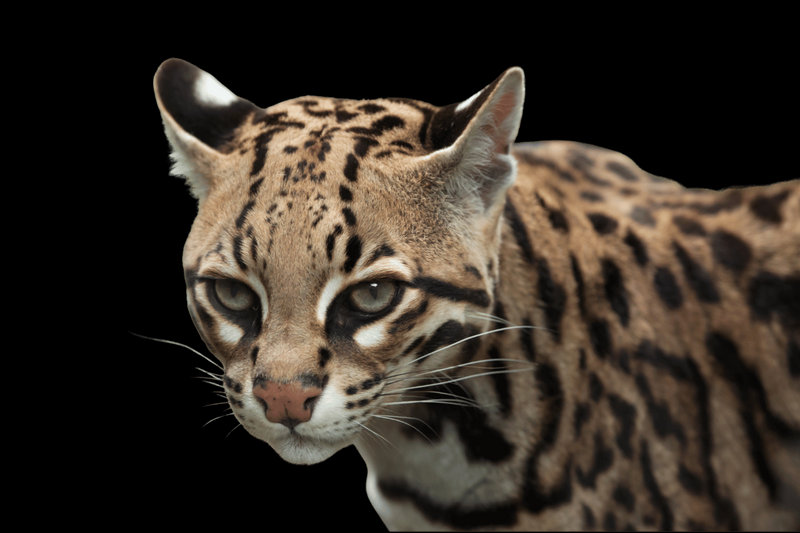
Ocelot (Leopardus pardalis)
Leopardus
IUCN STATUS
Least Concern

CONSERVATION STATUS
Least Concern
CLASS
Mammalia
GEOGRAPHICAL RANGE
Southern US to northern Argentina
DIET
Carnivorous
HABITAT
Rainforest, scrub, wetlands
🔬 Classification
PHYLUM
Chordata
CLASS
Mammalia
ORDER
Carnivora
FAMILY
Felidae
GENUS
Leopardus
📋 Description
SIZE
Up to 1 m + 45 cm tail; 8-16 kg
COLORATION
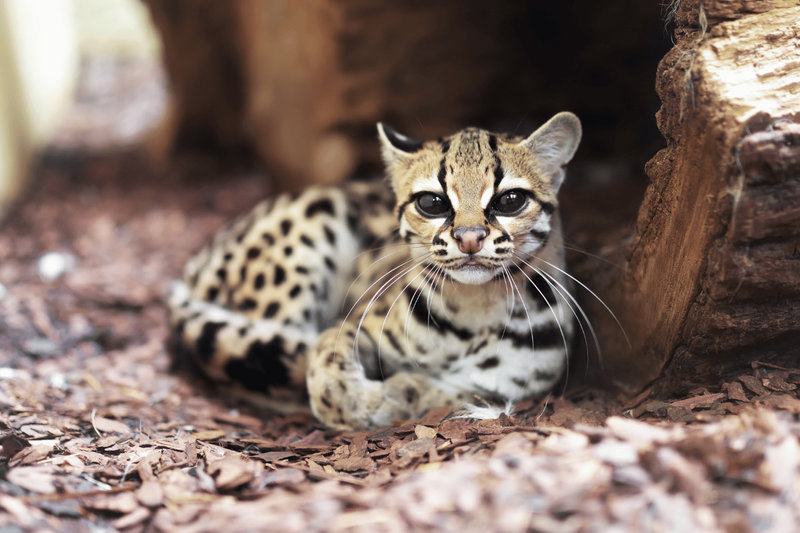
Golden coat with black-bordered rosettes and stripes
ADAPTATIONS
Excellent night vision; agile climber and swimmer
🌿 Ecology
HABITAT
Rainforest, scrub, wetlands
DIET
Carnivorous
GEOGRAPHIC RANGE
Southern US to northern Argentina
REPRODUCTION
1-2 kittens
DIET DETAILS
Rodents, birds, reptiles and fish
⚠️ Threats & Conservation
PRIMARY THREATS
Historic fur trade, habitat loss
💡 Interesting Facts
1
Each ocelot's coat pattern is unique, and it hunts almost entirely by night.
2
Once heavily hunted for its fur, it has recovered across much of its range.
🔭 Sighting Guide
📍 BEST PLACES TO SIGHT
Tambopata NR
Manú NP
🗓️ BEST TIME TO SIGHT
May-October
🎯 SIGHTING TIPS
Join a night walk or spotlight boat trip in Amazon reserves; ocelots are nocturnal and secretive.