Home › Mammalia › Bovidae › Bongo (Tragelaphus eurycerus)
SPECIES PROFILE
Bongo (Tragelaphus eurycerus)
Tragelaphus
IUCN STATUS
Near Threatened

CONSERVATION STATUS
Near Threatened
CLASS
Mammalia
GEOGRAPHICAL RANGE
Central and East African forests
DIET
Herbivorous
HABITAT
Dense montane and lowland forest
🔬 Classification
PHYLUM
Chordata
CLASS
Mammalia
ORDER
Artiodactyla
FAMILY
Bovidae
GENUS
Tragelaphus
📋 Description
SIZE
Up to 1.3 m at shoulder; 240-400 kg
COLORATION
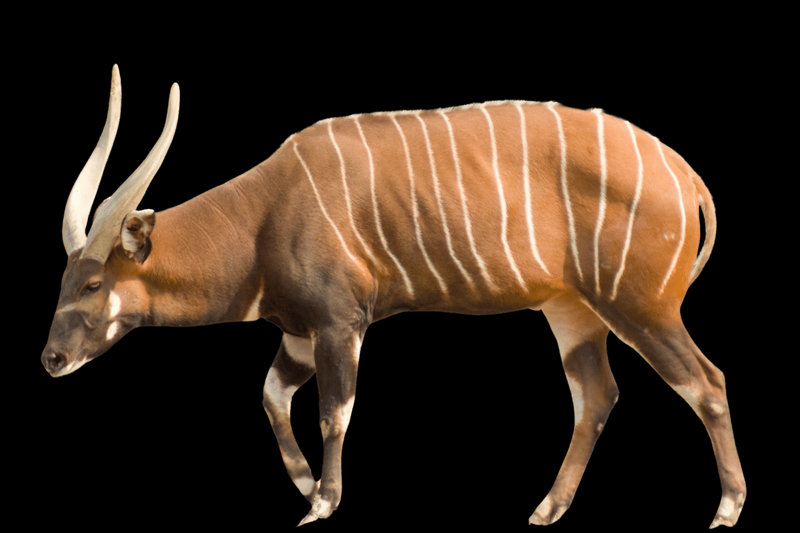
Bright chestnut with vivid white body stripes and spiral horns
ADAPTATIONS
Largest forest antelope; both sexes carry horns
🌿 Ecology
HABITAT
Dense montane and lowland forest
DIET
Herbivorous
GEOGRAPHIC RANGE
Central and East African forests
REPRODUCTION
Single calf
DIET DETAILS
Leaves, bark and roots
⚠️ Threats & Conservation
PRIMARY THREATS
Poaching, disease, habitat loss
💡 Interesting Facts
1
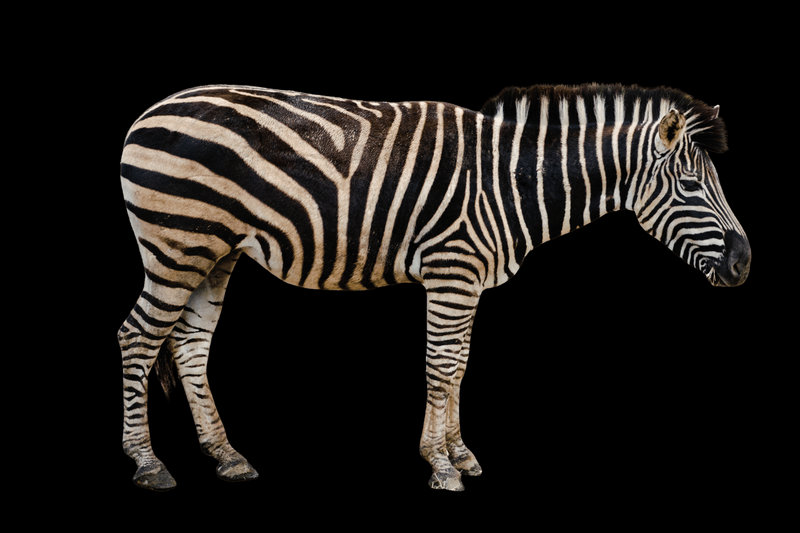
The largest and most colourful forest antelope, striped like a giant chestnut zebra.
2
The mountain bongo of Kenya is down to a few hundred and is being bred for release.
🔭 Sighting Guide
📍 BEST PLACES TO SIGHT
Aberdare National Park
🗓️ BEST TIME TO SIGHT
Year-round
🎯 SIGHTING TIPS
Extremely elusive; the mountain bongo is best sought in Aberdare forests with expert guides.