Home › Aves › Psittacidae › Hyacinth Macaw (Anodorhynchus hyacinthinus)
SPECIES PROFILE
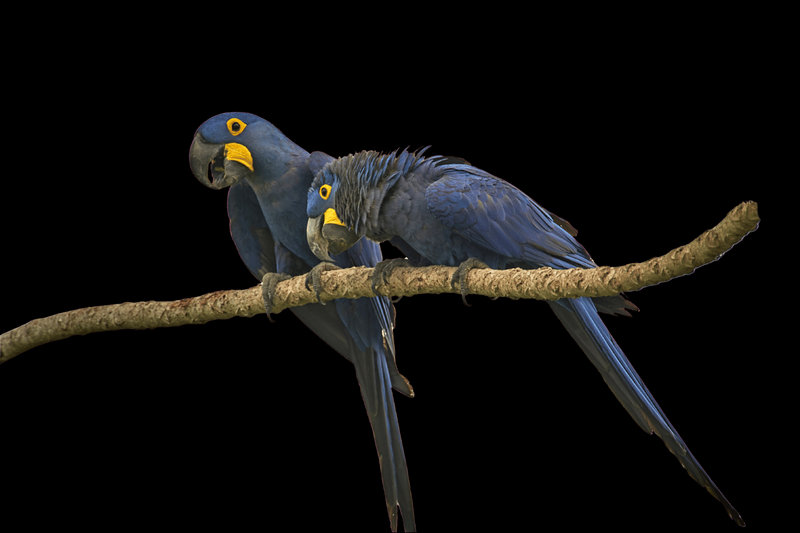
Hyacinth Macaw (Anodorhynchus hyacinthinus)
Anodorhynchus
IUCN STATUS
Vulnerable

CONSERVATION STATUS
Vulnerable
CLASS
Aves
GEOGRAPHICAL RANGE
Central Brazil, eastern Bolivia, Paraguay
DIET
Herbivorous
HABITAT
Palm savanna, gallery forest, wetlands
🔬 Classification
PHYLUM
Chordata
CLASS
Aves
ORDER
Psittaciformes
FAMILY
Psittacidae
GENUS
Anodorhynchus
📋 Description
SIZE
Up to 1 m long; ~1.5 kg
COLORATION
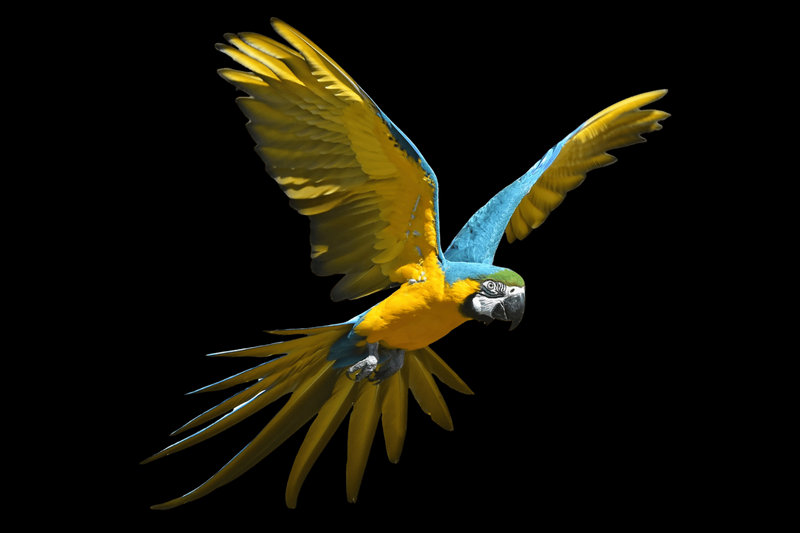
Cobalt-blue plumage with bright yellow eye-ring and chin
ADAPTATIONS
Massive bill cracks hard palm nuts other animals cannot open
🌿 Ecology
HABITAT
Palm savanna, gallery forest, wetlands
DIET
Herbivorous
GEOGRAPHIC RANGE
Central Brazil, eastern Bolivia, Paraguay
REPRODUCTION
1-2 eggs in tree cavities
DIET DETAILS
Palm nuts, especially acuri and bocaiuva
⚠️ Threats & Conservation
PRIMARY THREATS
Illegal pet trade, habitat loss
💡 Interesting Facts
1
The largest flying parrot in the world, its bite can crack a coconut.
2
Populations rebounded in the Pantanal thanks to nest-box conservation projects.
🔭 Sighting Guide
📍 BEST PLACES TO SIGHT
Pantanal (Pousada Aguape area)
Chapada dos Guimarães
🗓️ BEST TIME TO SIGHT
July-October
🎯 SIGHTING TIPS
Watch fruiting palm stands and clay banks mid-morning; listen for their loud, deep squawks.