Home › Reptilia › Testudinidae › Gopher Tortoise (Gopherus polyphemus)
SPECIES PROFILE
Gopher Tortoise (Gopherus polyphemus)
Gopherus
IUCN STATUS
Vulnerable


CONSERVATION STATUS
Vulnerable
CLASS
Reptilia
GEOGRAPHICAL RANGE
Coastal plain of the southeastern US from South Carolina to Mississippi; most abundant in Florida
DIET
Herbivore
HABITAT
Longleaf pine and scrub-oak upland sandhill habitat with deep well-drained sandy soils for burrowing
🔬 Classification
PHYLUM
Chordata
CLASS
Reptilia
ORDER
Testudines
FAMILY
Testudinidae
GENUS
Gopherus
📋 Description
SIZE
23–35 cm carapace; 4–6 kg
COLORATION
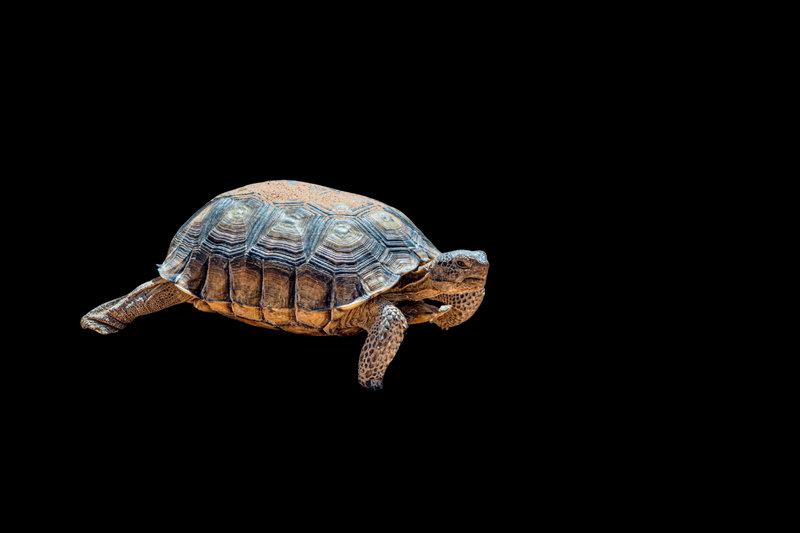
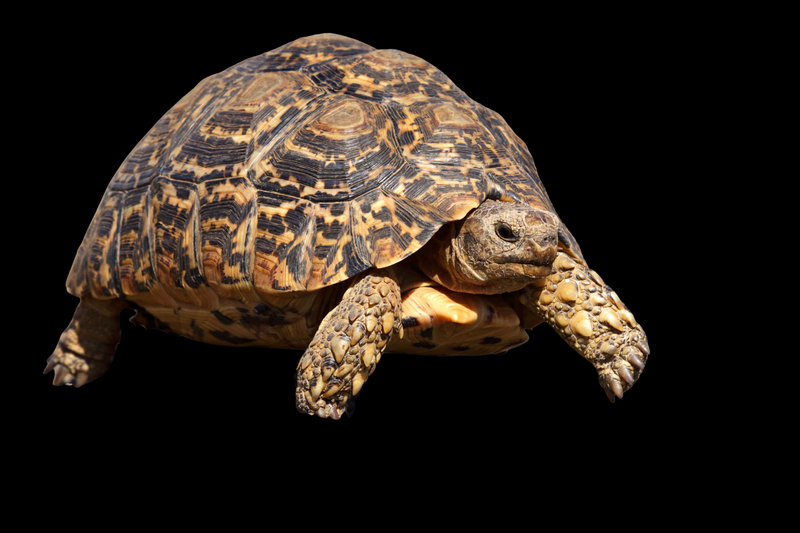
High-domed brown to grey-brown carapace; shovel-like front feet for digging; column-like hind legs; flat plastron
ADAPTATIONS
Excavates burrows up to 15 m long and 3 m deep, which are used by over 360 other species as shelter — a keystone ecosystem engineer
🌿 Ecology
HABITAT
Longleaf pine and scrub-oak upland sandhill habitat with deep well-drained sandy soils for burrowing
DIET
Herbivore
GEOGRAPHIC RANGE
Coastal plain of the southeastern US from South Carolina to Mississippi; most abundant in Florida
REPRODUCTION
2–15 eggs buried in sandy soil at the burrow entrance in spring; hatchlings emerge in autumn; high hatchling mortality
DIET DETAILS
Low-growing plants, grasses, and fruits found near the burrow entrance; does not venture far from its burrow to feed
⚠️ Threats & Conservation
PRIMARY THREATS
Habitat loss from fire suppression allowing forest closure; development; road mortality; upper respiratory tract disease
💡 Interesting Facts
1
The Gopher Tortoise is a keystone species — its burrows are used as shelter by over 360 other species including rattlesnakes, owls, foxes, frogs, and hundreds of invertebrates.
2
Gopher Tortoises are one of the oldest tortoise lineages in North America, having lived in the Southeast for over 60 million years; their populations have declined by over 80% in the last century.
🔭 Sighting Guide
📍 BEST PLACES TO SIGHT
Goethe State Forest near Trenton, FL, has accessible Gopher Tortoise populations in longleaf pine sandhill habitat
Ocala National Forest near Silver Springs, FL, has Gopher Tortoises in sandy scrub habitat along fire roads
Georgia Sea Islands near Brunswick, GA, have Gopher Tortoises in maritime scrub and longleaf pine habitat
🗓️ BEST TIME TO SIGHT
Spring to autumn. Look in sandy longleaf pine habitat in Florida and Georgia; most active April to June in morning hours.
🎯 SIGHTING TIPS
April to June in warm morning hours; Goethe State Forest in FL and Okefenokee NWR in GA have accessible populations on sandy trails.