Home › Reptilia › Testudinidae › Galápagos Giant Tortoise (Chelonoidis niger)
SPECIES PROFILE
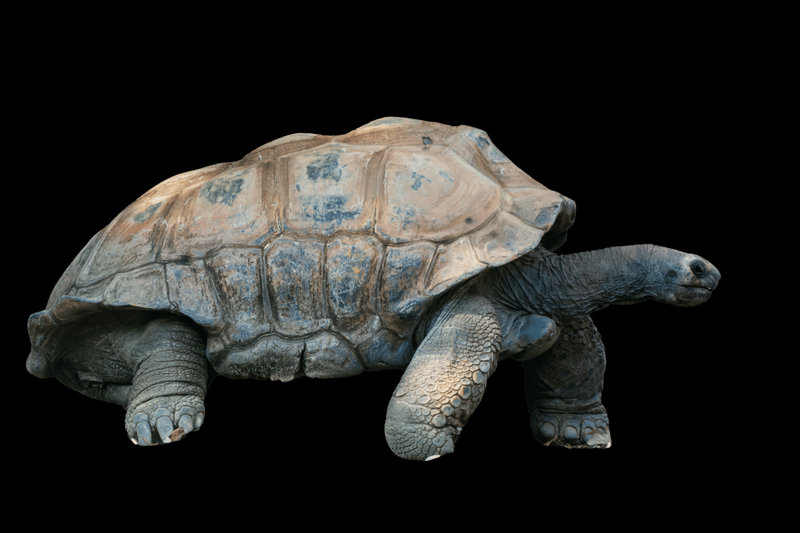
Galápagos Giant Tortoise (Chelonoidis niger)
Chelonoidis
IUCN STATUS
Vulnerable

CONSERVATION STATUS
Vulnerable
CLASS
Reptilia
GEOGRAPHICAL RANGE
Endemic to the Galápagos Islands
DIET
Herbivorous
HABITAT
Volcanic highlands, grassland, scrub
🔬 Classification
PHYLUM
Chordata
CLASS
Reptilia
ORDER
Testudines
FAMILY
Testudinidae
GENUS
Chelonoidis
📋 Description
SIZE
Shell up to 1.5 m; up to 250 kg
COLORATION
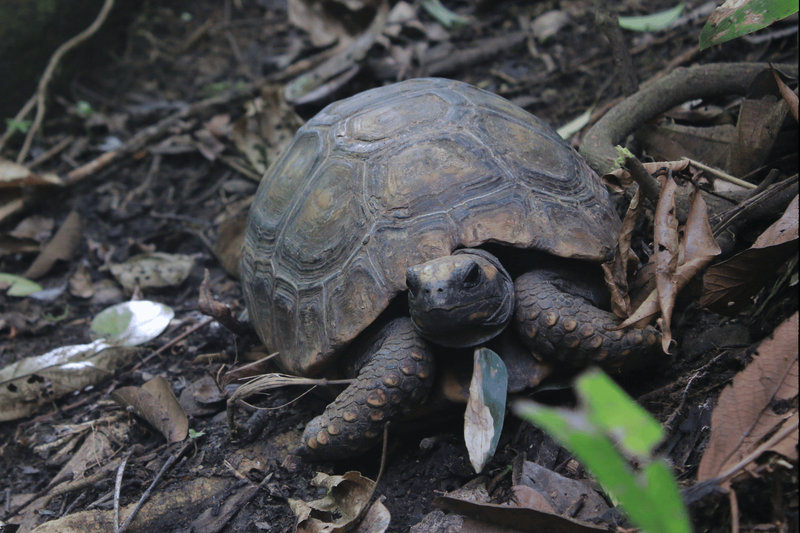
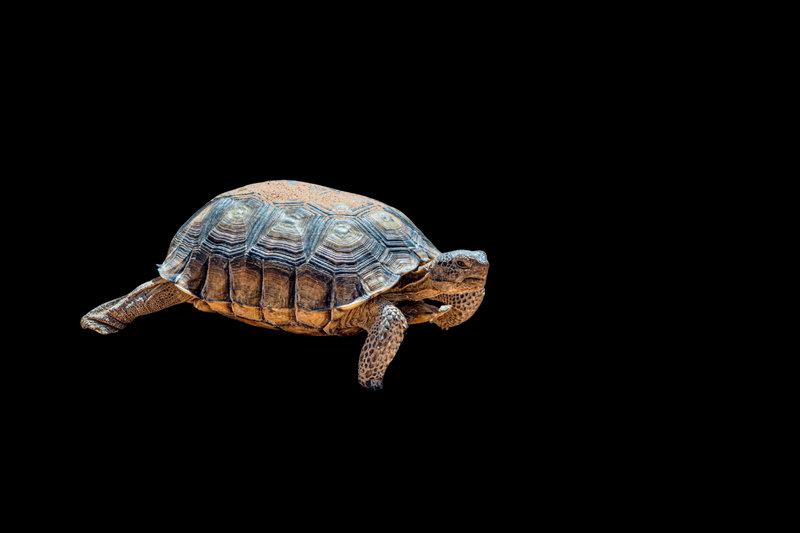
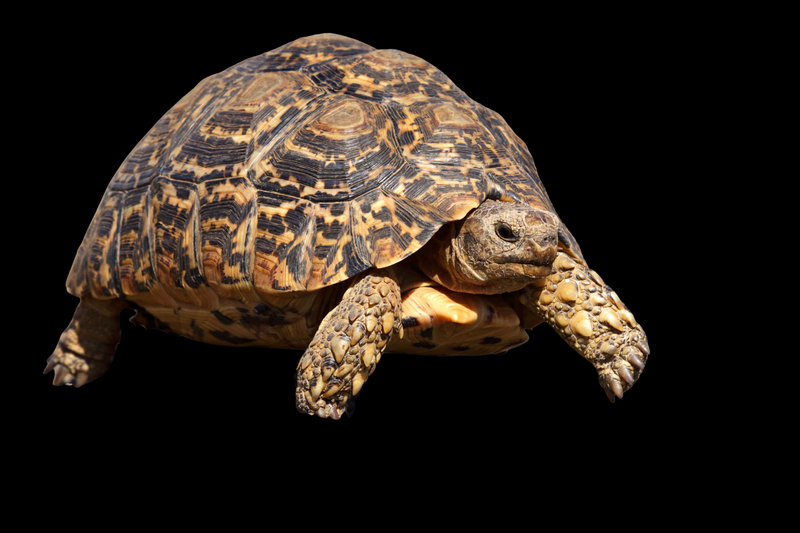
Grey-brown carapace; dome- or saddle-shaped by island
ADAPTATIONS
Can survive a year without food or water; lives over 100 years
🌿 Ecology
HABITAT
Volcanic highlands, grassland, scrub
DIET
Herbivorous
GEOGRAPHIC RANGE
Endemic to the Galápagos Islands
REPRODUCTION
Lays 2-16 eggs in sandy nests
DIET DETAILS
Grasses, cactus pads, fruit
⚠️ Threats & Conservation
PRIMARY THREATS
Historic exploitation, invasive species
💡 Interesting Facts
1
Among the longest-lived vertebrates, some individuals have topped 150 years.
2
Shell shape varies by island and helped inspire Darwin's theory of evolution.
🔭 Sighting Guide
📍 BEST PLACES TO SIGHT
El Chato Reserve, Santa Cruz
Charles Darwin Research Station
🗓️ BEST TIME TO SIGHT
Year-round
🎯 SIGHTING TIPS
Visit highland reserves and the Charles Darwin Station; the cool wet highlands hold the most tortoises.