Home › Aves › Ardeidae › Great Blue Heron (Ardea herodias)
SPECIES PROFILE
Great Blue Heron (Ardea herodias)
Ardea
IUCN STATUS
Least Concern


CONSERVATION STATUS
Least Concern
CLASS
Aves
GEOGRAPHICAL RANGE
Breeds from southern Alaska and Canada to Mexico; year-round resident throughout most of the US; one of the most widespread wading birds in North America
DIET
Carnivore
HABITAT
Highly adaptable; uses coastal marshes, freshwater lakes, rivers, swamps, flooded fields, and tidal flats; nests colonially in tall trees
🔬 Classification
PHYLUM
Chordata
CLASS
Aves
ORDER
Pelecaniformes
FAMILY
Ardeidae
GENUS
Ardea
📋 Description
SIZE
97–137 cm tall; wingspan 167–201 cm; 2.1–2.5 kg — the largest North American heron
COLORATION
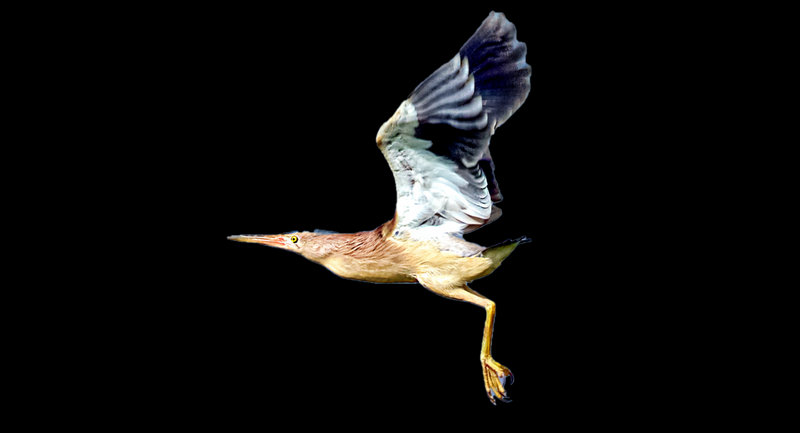
Blue-grey body; white face with black eye-stripe extending to black plumes; rusty-orange thighs; yellow-orange bill; pale yellow eyes
ADAPTATIONS
Stands motionless for extended periods waiting to ambush prey with a lightning strike; can swallow fish larger than its own neck diameter
🌿 Ecology
HABITAT
Highly adaptable; uses coastal marshes, freshwater lakes, rivers, swamps, flooded fields, and tidal flats; nests colonially in tall trees
DIET
Carnivore
GEOGRAPHIC RANGE
Breeds from southern Alaska and Canada to Mexico; year-round resident throughout most of the US; one of the most widespread wading birds in North America
REPRODUCTION
Colonial nester (heronry) in tall trees; 3–7 eggs; both parents incubate for 27 days; chicks fledge at 60 days
DIET DETAILS
Fish are the primary prey; also frogs, snakes, small mammals, invertebrates, and occasionally small birds
⚠️ Threats & Conservation
PRIMARY THREATS
Habitat loss of wetlands and forested wetland nest sites; human disturbance at heronries; contaminants in prey
💡 Interesting Facts
1
The Great Blue Heron can stand motionless for over an hour waiting to ambush fish, then strike in 0.07 seconds — faster than the human eye can track.
2
Great Blue Herons often hunt at night and can see in near-darkness; they locate prey by detecting small movements and can hunt fish, rodents, and even gophers with equal facility.
🔭 Sighting Guide
📍 BEST PLACES TO SIGHT
Wakodahatchee Wetlands near Delray Beach, FL, has boardwalk access to Great Blue Heron nesting colonies at extremely close range
Everglades National Park near Homestead, FL, has Great Blue Herons visible on virtually every body of water
Chesapeake Bay near St. Michaels, MD, has Great Blue Herons along every shoreline and tidal creek
🗓️ BEST TIME TO SIGHT
Year-round throughout Florida and the Southeast; Wakodahatchee Wetlands near Delray Beach, FL, has nesting pairs at extremely close range.
🎯 SIGHTING TIPS
Year-round across the entire US; colonial nesting heronries active March to June; Florida has year-round abundant populations.