Home › Aves › Ardeidae › Indian Pond-Heron (Ardeola grayii)
SPECIES PROFILE
Indian Pond-Heron (Ardeola grayii)
Ardeola
IUCN STATUS
Least Concern


CONSERVATION STATUS
Least Concern
CLASS
Aves
GEOGRAPHICAL RANGE
Southern Iran to India Burma Sri Lanka
DIET
Omnivorous
HABITAT
Marshy wetlands rice fields man-made reservoirs
🔬 Classification
PHYLUM
Chordata
CLASS
Aves
ORDER
Ciconiiformes
FAMILY
Ardeidae
GENUS
Ardeola
📋 Description
SIZE
42-46 cm long 230-276 g
COLORATION
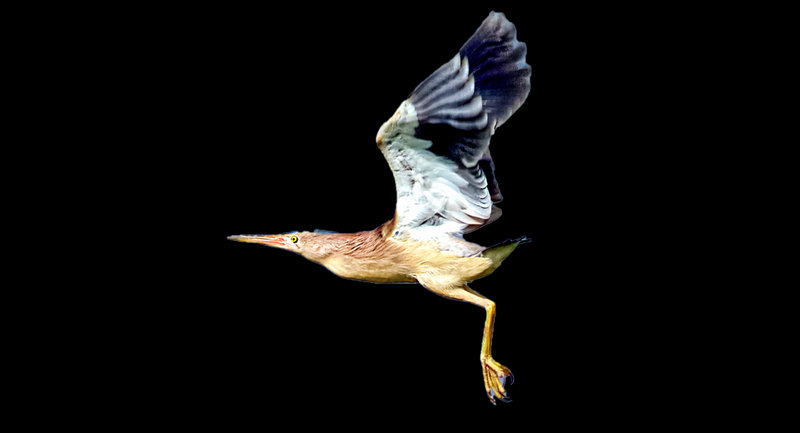
Brown buff with white wings visible in flight
ADAPTATIONS
Short thick bill and stocky build for shallow water hunting
🌿 Ecology
HABITAT
Marshy wetlands rice fields man-made reservoirs
DIET
Omnivorous
GEOGRAPHIC RANGE
Southern Iran to India Burma Sri Lanka
REPRODUCTION
Lays 3-5 eggs in tree stick nests incubated 18-24 days
DIET DETAILS
Crustaceans aquatic insects fish tadpoles
⚠️ Threats & Conservation
PRIMARY THREATS
Wetland pollution habitat degradation
💡 Interesting Facts
1
Camouflage Masters: Indian Pond-Herons blend into rice fields with their 250-gram bodies appearing dingy until white wings flash in flight. They nest near urban areas.
2
Folk Beliefs: Called half-blind heron in Sri Lanka their stealthy 45 cm frames hunt 100 grams of insects daily in Bhigwan's fields. Pollution threatens their 5000 sq km range.
🔭 Sighting Guide
📍 BEST PLACES TO SIGHT
Bharatpur Bird Sanctuary in Rajasthan wetlands host Indian pond-heron sightings
Bhigwan Bird Sanctuary in Maharashtra rice fields offer Indian pond-heron sightings
Vedanthangal Bird Sanctuary in Tamil Nadu wetlands have Indian pond-heron sightings
🗓️ BEST TIME TO SIGHT
November-March Dry season concentrates prey in wetlands for spotting herons
🎯 SIGHTING TIPS
Look for Indian pond-herons near pond edges at dusk