top of page

Home › Aves › Ardeidae › Yellow Bittern (Ixobrychus sinensis)

SPECIES PROFILE

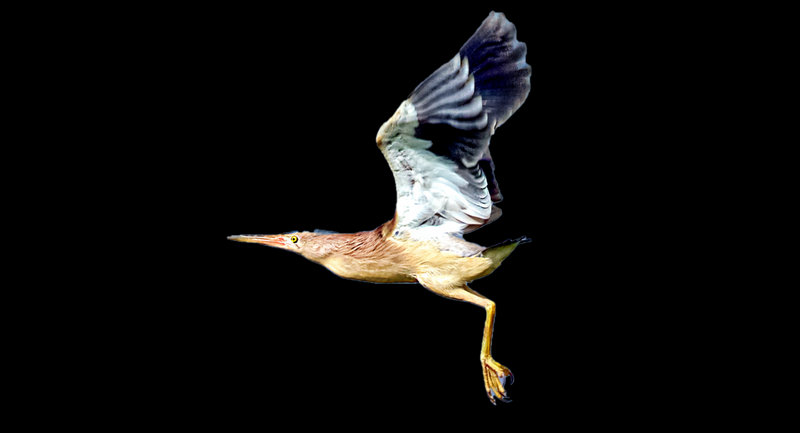
Yellow Bittern (Ixobrychus sinensis)

Ixobrychus

IUCN STATUS

Least Concern

paw print_edited.png
Yellow Bittern (Ixobrychus sinensis) — Indian subcontinent east Asia

CONSERVATION STATUS

Least Concern

CLASS

Aves

GEOGRAPHICAL RANGE

Indian subcontinent east Asia

DIET

Carnivorous

HABITAT

Reedbeds marshes rice fields

🔬 Classification

PHYLUM

Chordata

CLASS

Aves

ORDER

Ciconiiformes

FAMILY

Ardeidae

GENUS

Ixobrychus

📋 Description

SIZE

36-38 cm long 80-120 g

COLORATION

Yellowish-brown with streaked underparts

ADAPTATIONS

Compact body for navigating dense vegetation

🌿 Ecology

HABITAT

Reedbeds marshes rice fields

DIET

Carnivorous

GEOGRAPHIC RANGE

Indian subcontinent east Asia

REPRODUCTION

Lays 4-6 eggs in reed nests incubated 17-20 days

DIET DETAILS

Fish insects crustaceans small amphibians

⚠️ Threats & Conservation

PRIMARY THREATS

Wetland drainage agricultural expansion

💡 Interesting Facts

1

Cryptic Wanderers: Yellow Bitterns hide in reeds with 100-gram bodies stalking 40 grams of insects daily in Bharatpur's marshes. Their streaks aid camouflage.

2

Seasonal Migrants: These bitterns cover 4000 sq km in Chilika's wetlands. Habitat loss threatens their secretive breeding.

🔭 Sighting Guide

📍 BEST PLACES TO SIGHT

Chilika Lake in Odisha wetlands host yellow bittern sightings

Bharatpur Bird Sanctuary in Rajasthan marshes offer yellow bittern sightings

Vedanthangal Bird Sanctuary in Tamil Nadu wetlands have yellow bittern sightings

🗓️ BEST TIME TO SIGHT

October-March Dry season enhances visibility in reeds for spotting bitterns

🎯 SIGHTING TIPS

Check dense vegetation at dawn for yellow bitterns' subtle movements

🏨 Where to Stay
📍
Chilika Lake in Odisha wetlands host yellow bittern sightings
India
📍
Bharatpur Bird Sanctuary in Rajasthan marshes offer yellow bittern sightings
India
📍
Vedanthangal Bird Sanctuary in Tamil Nadu wetlands have yellow bittern sightings
India
🐾 You Might Also Want to See...
Great Blue Heron (Ardea herodias)

Great Blue Heron (Ardea herodias)

Breeds from southern Alaska and Canada to Mexico; year-round resident throughout most of the US; one of the most widespread wading birds in North America

Least Concern

Indian Pond-Heron (Ardeola grayii)

Indian Pond-Heron (Ardeola grayii)

Southern Iran to India Burma Sri Lanka

Least Concern

Grey Heron (Ardea cinerea)

Grey Heron (Ardea cinerea)

Throughout Indian subcontinent Europe Africa

Least Concern

Cinnamon Bittern (Ixobrychus cinnamomeus)

Cinnamon Bittern (Ixobrychus cinnamomeus)

Indian subcontinent southeast Asia

Least Concern

More wildlife in India
Indian Pond-Heron (Ardeola grayii)

Indian Pond-Heron (Ardeola grayii)

Grey Heron (Ardea cinerea)

Grey Heron (Ardea cinerea)

Cinnamon Bittern (Ixobrychus cinnamomeus)

Cinnamon Bittern (Ixobrychus cinnamomeus)

Little Tern (Sternula albifrons)

Little Tern (Sternula albifrons)

Other Least Concern species
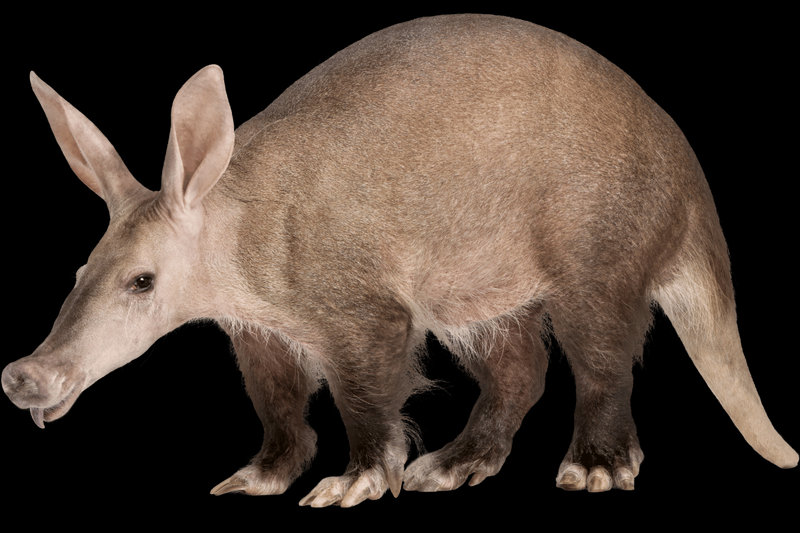
Aardvark (Orycteropus afer)

Aardvark (Orycteropus afer)

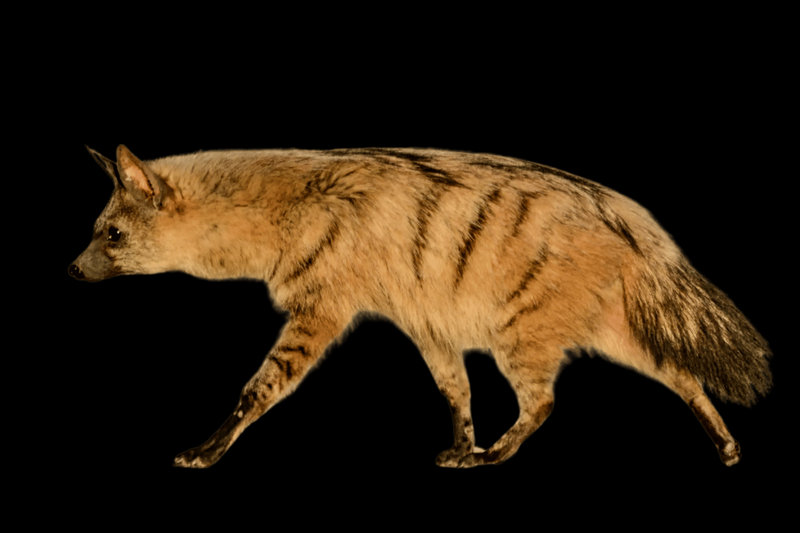
Aardwolf (Proteles cristata)

Aardwolf (Proteles cristata)

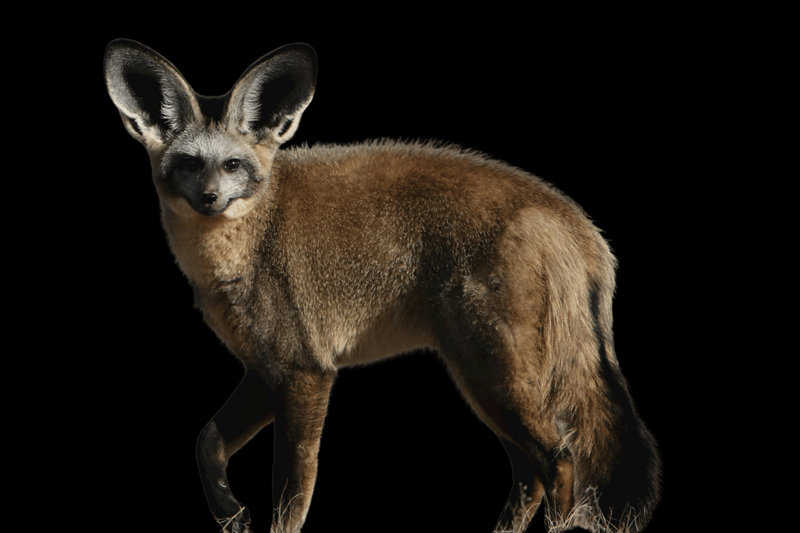
Bat-eared Fox (Otocyon megalotis)

Bat-eared Fox (Otocyon megalotis)

Cape Fur Seal (Arctocephalus pusillus)

Cape Fur Seal (Arctocephalus pusillus)

CONTINUE EXPLORING

Discover more wildlife experiences

bottom of page