top of page

Home › Reptilia › Crocodylidae › Indian Saltwater Crocodile (Crocodylus porosus)

SPECIES PROFILE

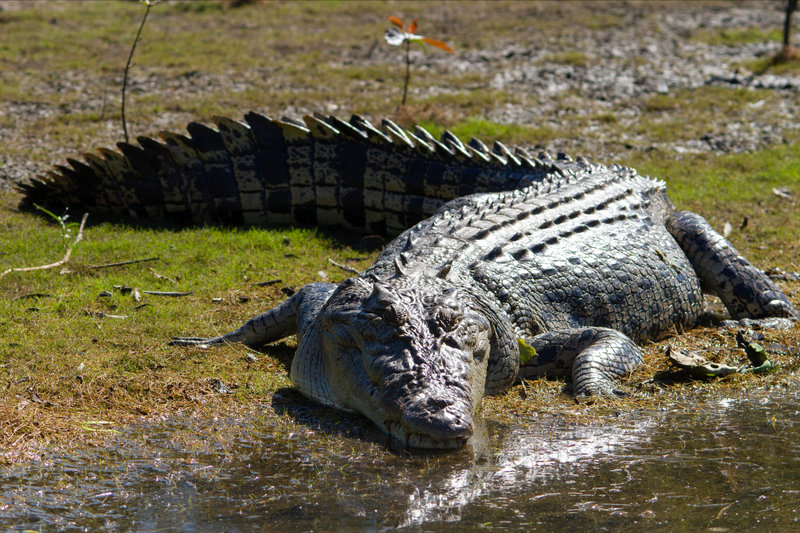
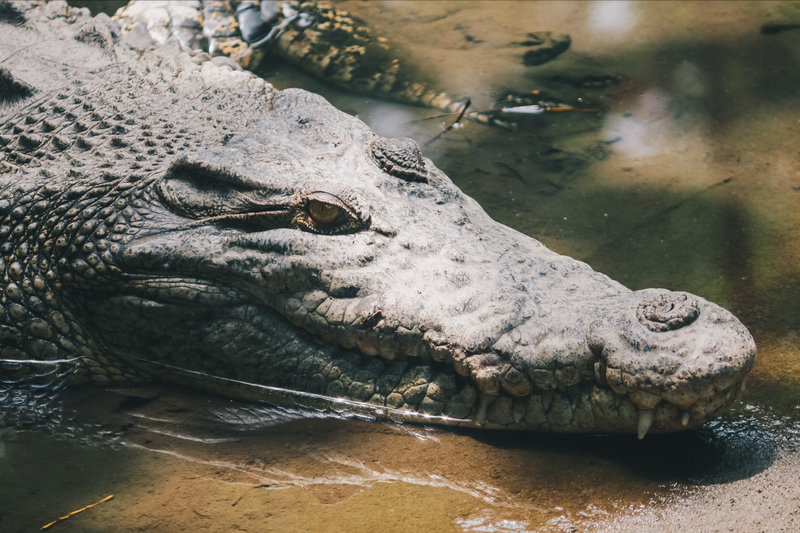
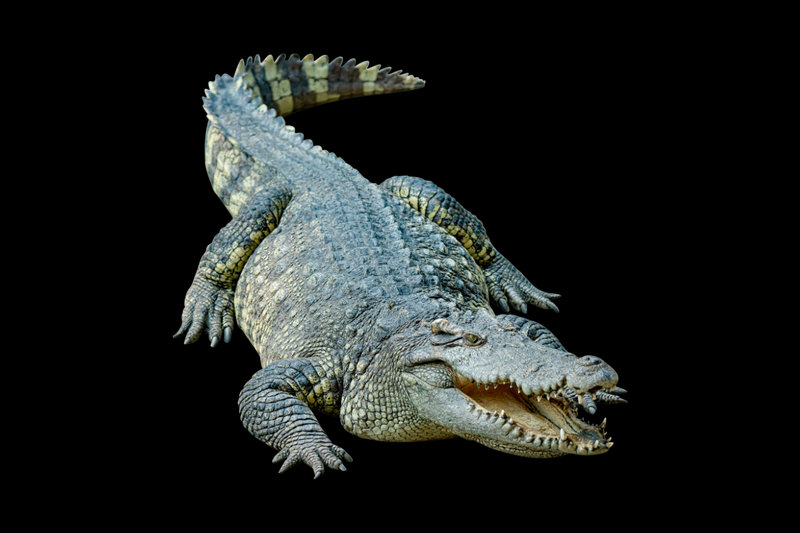
Indian Saltwater Crocodile (Crocodylus porosus)

Crocodylus

IUCN STATUS

Least Concern

paw print_edited.png
Indian Saltwater Crocodile (Crocodylus porosus) — Andaman and Nicobar Islands, Sundarbans

CONSERVATION STATUS

Least Concern

CLASS

Reptilia

GEOGRAPHICAL RANGE

Andaman and Nicobar Islands, Sundarbans

DIET

Carnivorous

HABITAT

Coastal mangroves, estuaries

🔬 Classification

PHYLUM

Chordata

CLASS

Reptilia

ORDER

Crocodilia

FAMILY

Crocodylidae

GENUS

Crocodylus

📋 Description

SIZE

Males 6-7 meters, 1000 kg; females 3-4 meters

COLORATION

Grey to dark green, lighter underparts; juveniles yellow bands

ADAPTATIONS

Powerful jaws, armored skin, excellent swimming

🌿 Ecology

HABITAT

Coastal mangroves, estuaries

DIET

Carnivorous

GEOGRAPHIC RANGE

Andaman and Nicobar Islands, Sundarbans

REPRODUCTION

Lays 40-60 eggs in mounds, hatch 80-90 days

DIET DETAILS

Fish, birds, mammals, occasionally humans

⚠️ Threats & Conservation

PRIMARY THREATS

Historical hunting, habitat loss

💡 Interesting Facts

1

Massive Predators: Growing 7 meters their 1000 kg bodies ambush 100 kg prey in Sundarbans' mangroves with 5000 in India. Their 4000 psi bites crush bones.

2

Stealth Hunters: Lurking in Bhitarkanika's estuaries their 70-year lifespans dominate 2000 sq km coasts. Conservation protects their mangrove habitats from poaching.

🔭 Sighting Guide

📍 BEST PLACES TO SIGHT

Sundarbans National Park in West Bengal mangrove forests host crocodile sightings

Bhitarkanika National Park in Odisha estuarine habitat offers crocodile sightings

Andaman and Nicobar Islands coastal mangroves have crocodile sightings

🗓️ BEST TIME TO SIGHT

November-March. Dry season concentrates crocodiles in estuaries for basking.

🎯 SIGHTING TIPS

Take boat tours at midday to see crocodiles on mudbanks.
🏨 Where to Stay
📍
Bhitarkanika National Park
India
📍
Sundarbans National Park
India
📍
Andaman and Nicobar Islands
India
🐾 You Might Also Want to See...
American Crocodile (Crocodylus acutus)

American Crocodile (Crocodylus acutus)

Pacific and Caribbean coasts from Mexico to South America; in Mexico on both coasts and the Yucatan Peninsula

Vulnerable

Cuban Crocodile (Crocodylus rhombifer)

Cuban Crocodile (Crocodylus rhombifer)

Endemic to Cuba; historically across western Cuba; now almost entirely restricted to Ciénaga de Zapata.

Critically Endangered

Morelet's Crocodile (Crocodylus moreletii)

Morelet's Crocodile (Crocodylus moreletii)

Endemic to Mexico, Belize, and northern Guatemala; restricted to the freshwater systems of the Gulf lowlands and Yucatan Peninsula

Least Concern

Malaysian Saltwater Crocodile (Crocodylus porosus)

Malaysian Saltwater Crocodile (Crocodylus porosus)

Peninsular Malaysia, East Malaysia

Least Concern

More wildlife in India
Indian Pond-Heron (Ardeola grayii)

Indian Pond-Heron (Ardeola grayii)

Grey Heron (Ardea cinerea)

Grey Heron (Ardea cinerea)

Cinnamon Bittern (Ixobrychus cinnamomeus)

Cinnamon Bittern (Ixobrychus cinnamomeus)

Little Tern (Sternula albifrons)

Little Tern (Sternula albifrons)

Other Least Concern species
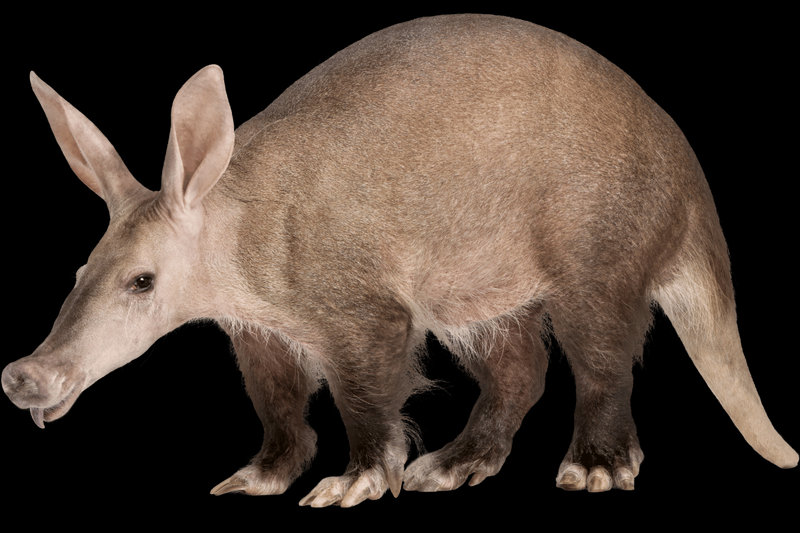
Aardvark (Orycteropus afer)

Aardvark (Orycteropus afer)

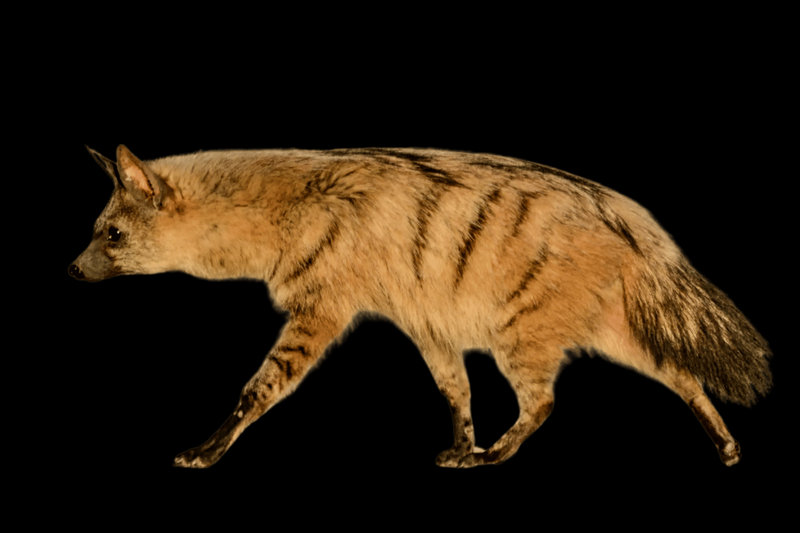
Aardwolf (Proteles cristata)

Aardwolf (Proteles cristata)

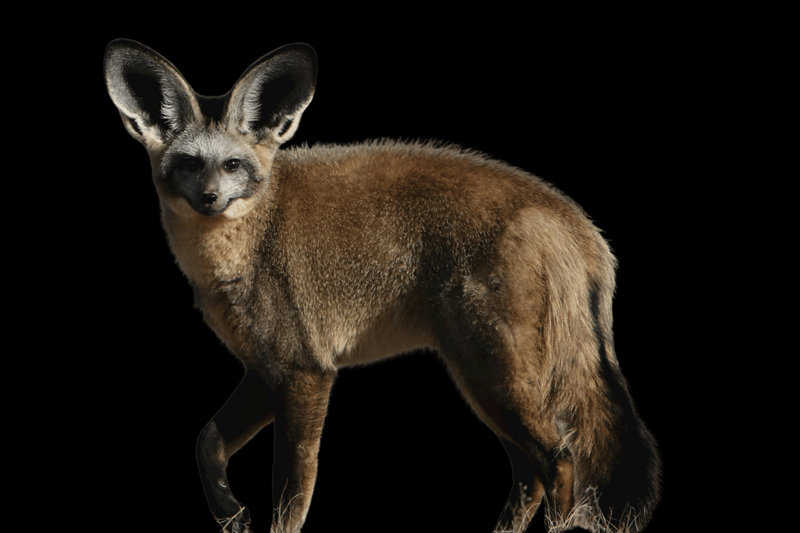
Bat-eared Fox (Otocyon megalotis)

Bat-eared Fox (Otocyon megalotis)

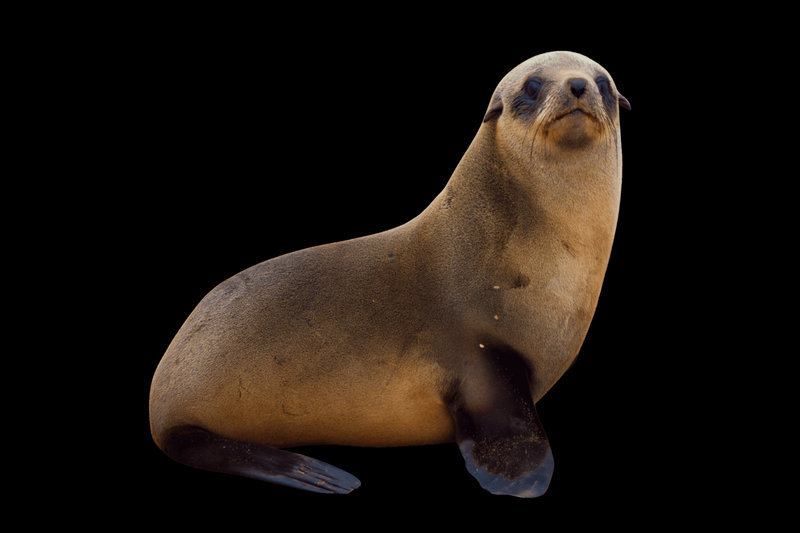
Cape Fur Seal (Arctocephalus pusillus)

Cape Fur Seal (Arctocephalus pusillus)

CONTINUE EXPLORING

Discover more wildlife experiences

bottom of page