Home › Reptilia › Crocodylidae › American Crocodile (Crocodylus acutus)
SPECIES PROFILE
American Crocodile (Crocodylus acutus)
Crocodylus
IUCN STATUS
Vulnerable

CONSERVATION STATUS
Vulnerable
CLASS
Reptilia
GEOGRAPHICAL RANGE
Pacific and Caribbean coasts from Mexico to South America; in Mexico on both coasts and the Yucatan Peninsula
DIET
Carnivore
HABITAT
Coastal estuaries, mangrove lagoons, river mouths, and freshwater rivers; requires brackish to saltwater habitat near coastal forest
🔬 Classification
PHYLUM
Chordata
CLASS
Reptilia
ORDER
Crocodilia
FAMILY
Crocodylidae
GENUS
Crocodylus
📋 Description
SIZE
3.5–6 m; 400–1,000 kg; one of the largest crocodilian species
COLORATION
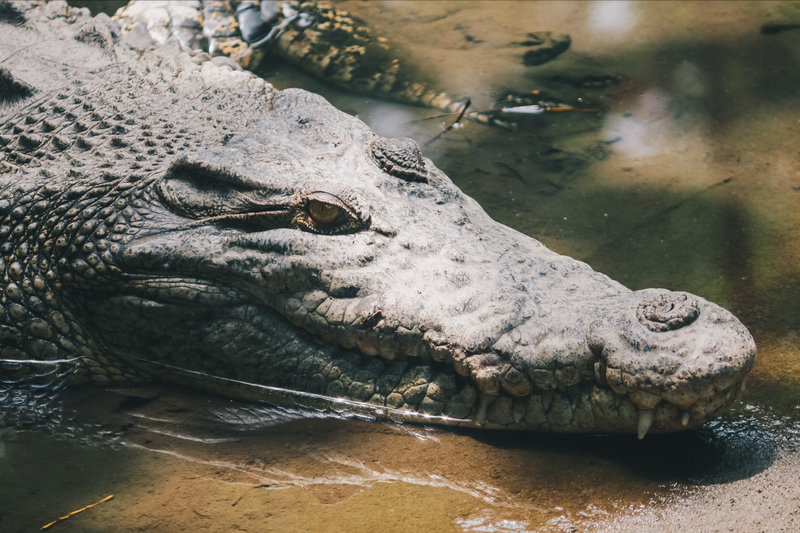
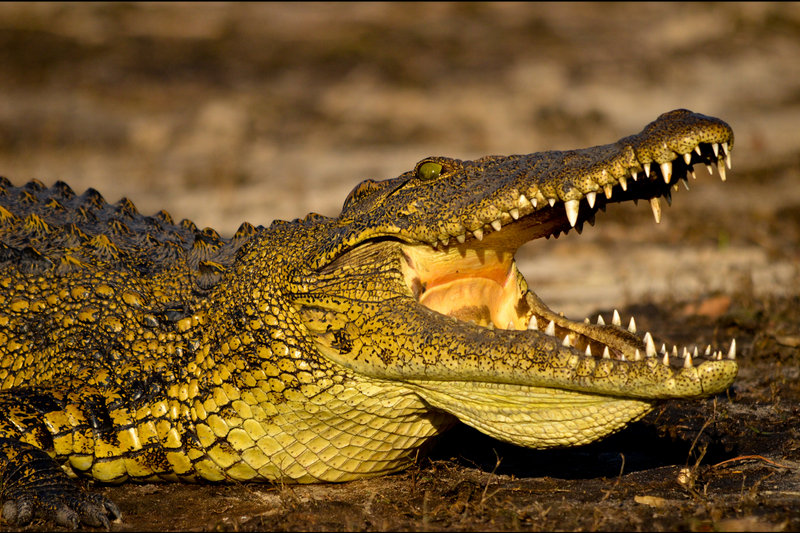
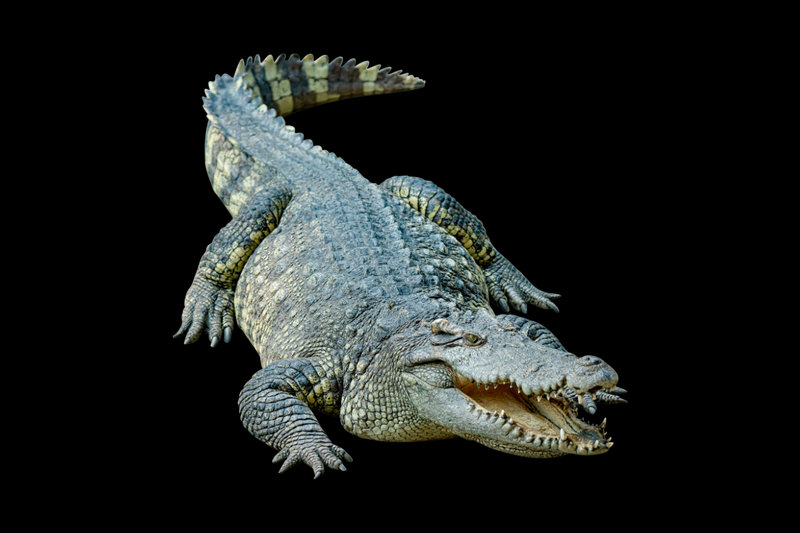
Pale grey-green to light brown; more slender snout than the American Alligator; fourth tooth visible when mouth closed; white to pale yellow underside
ADAPTATIONS
Tolerates salt water better than other crocodilians due to functional salt glands; ambush predator; thermoregulates by basking
🌿 Ecology
HABITAT
Coastal estuaries, mangrove lagoons, river mouths, and freshwater rivers; requires brackish to saltwater habitat near coastal forest
DIET
Carnivore
GEOGRAPHIC RANGE
Pacific and Caribbean coasts from Mexico to South America; in Mexico on both coasts and the Yucatan Peninsula
REPRODUCTION
Female builds a mound nest; 30–60 eggs; female guards nest; incubation 85 days; temperature determines sex
DIET DETAILS
Fish, turtles, birds, and mammals taken at the water's edge; opportunistic feeder
⚠️ Threats & Conservation
PRIMARY THREATS
Historical hunting for leather severely reduced populations; now recovering in protected areas; habitat loss in coastal mangroves; human conflict
💡 Interesting Facts
1
The American Crocodile is the only crocodilian species that regularly uses saltwater marine environments including coral reefs and inter-island passages — individuals have been observed far out at sea.
2
Unlike the American Alligator which is typically dark, the American Crocodile is pale grey-green — an adaptation for basking in open, sun-exposed coastal environments rather than dark swamp water.
🔭 Sighting Guide
📍 BEST PLACES TO SIGHT
Sian Ka'an Biosphere Reserve near Tulum, Quintana Roo, has American Crocodiles in coastal lagoons accessible by boat tour
Celestún Biosphere Reserve near Mérida, Yucatán, has American Crocodiles in mangrove estuary channels
Banco Chinchorro reef atoll near Mahahual, Quintana Roo, has American Crocodiles on an offshore reef — one of the few oceanic crocodile populations
🗓️ BEST TIME TO SIGHT
Year-round in Sian Ka'an lagoons near Tulum and the Celestún Biosphere Reserve near Mérida; boat tours pass close to basking individuals.
🎯 SIGHTING TIPS
Year-round. Sian Ka'an lagoons and the Celestún estuary have abundant American Crocodiles visible from boats in mangrove channels.