Home › Reptilia › Crocodylidae › Malaysian Saltwater Crocodile (Crocodylus porosus)
SPECIES PROFILE
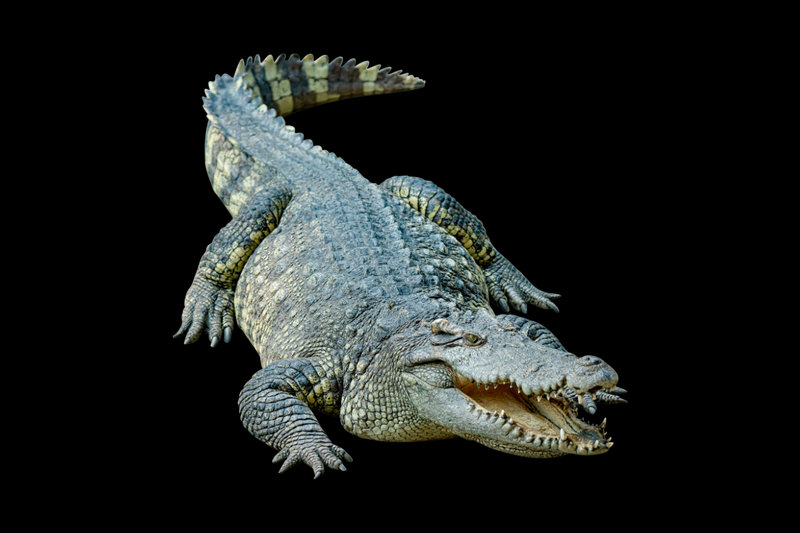
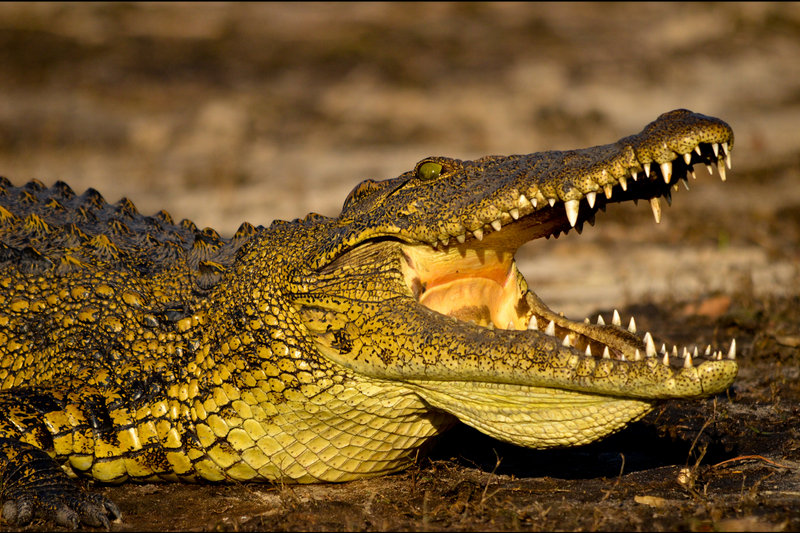
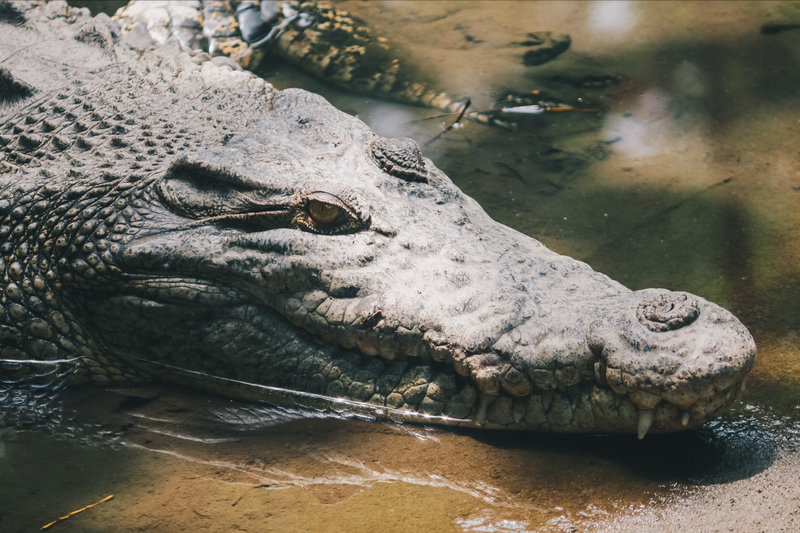
Malaysian Saltwater Crocodile (Crocodylus porosus)
Crocodylus
IUCN STATUS
Least Concern

CONSERVATION STATUS
Least Concern
CLASS
Reptilia
GEOGRAPHICAL RANGE
Peninsular Malaysia, East Malaysia
DIET
Carnivorous
HABITAT
Mangroves, estuaries, rivers
🔬 Classification
PHYLUM
Chordata
CLASS
Reptilia
ORDER
Crocodilia
FAMILY
Crocodylidae
GENUS
Crocodylus
📋 Description
SIZE
Males 4-6 m, 400-1000 kg; females 2.5-3.5 m
COLORATION
Grey-green; armored scales
ADAPTATIONS
Powerful jaws; ambush predator
🌿 Ecology
HABITAT
Mangroves, estuaries, rivers
DIET
Carnivorous
GEOGRAPHIC RANGE
Peninsular Malaysia, East Malaysia
REPRODUCTION
40-60 eggs; incubation 80-90 days
DIET DETAILS
Fish, birds, mammals
⚠️ Threats & Conservation
PRIMARY THREATS
Human conflict, habitat loss
💡 Interesting Facts
1
Ambush Titans: With a bite force of 3,700 psi, saltwater crocodiles lunge from water to seize prey, dragging it under with a death roll that snaps bones instantly. Their third eyelid and ability to stay submerged for hours make them unmatched predators in Malaysia's estuaries.
2
Prehistoric Survivors: Dating back 200 million years, these crocodiles have outlived dinosaurs, with fossils showing minimal change, a testament to their evolutionary perfection. In Sarawak's wetlands, some grow to 8.6 m, embodying a living link to ancient ecosystems.
🔭 Sighting Guide
📍 BEST PLACES TO SIGHT
Sungai Sarawak Estuary
Kinabatangan River
Kuching Wetlands National Park
🗓️ BEST TIME TO SIGHT
April-October. Dry season concentrates crocodiles in estuaries for basking.
🎯 SIGHTING TIPS
Take boat tours at midday to see crocodiles on mudbanks.