Home › Reptilia › Crocodylidae › Morelet's Crocodile (Crocodylus moreletii)
SPECIES PROFILE
Morelet's Crocodile (Crocodylus moreletii)
Crocodylus
IUCN STATUS
Least Concern


CONSERVATION STATUS
Least Concern
CLASS
Reptilia
GEOGRAPHICAL RANGE
Endemic to Mexico, Belize, and northern Guatemala; restricted to the freshwater systems of the Gulf lowlands and Yucatan Peninsula
DIET
Carnivore
HABITAT
Freshwater swamps, lakes, marshes, rivers, and cenotes of the Yucatan Peninsula and Gulf lowlands; does not tolerate saltwater
🔬 Classification
PHYLUM
Chordata
CLASS
Reptilia
ORDER
Crocodilia
FAMILY
Crocodylidae
GENUS
Crocodylus
📋 Description
SIZE
2.0–3.0 m; 38–58 kg; females smaller
COLORATION
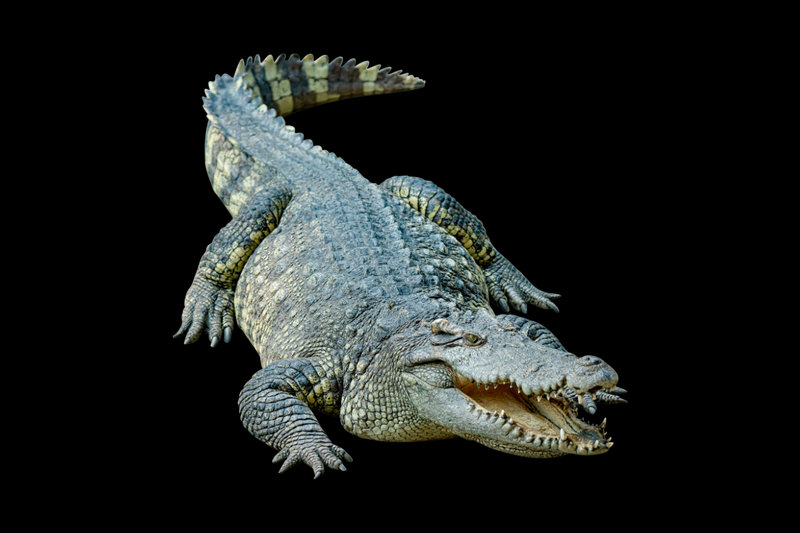
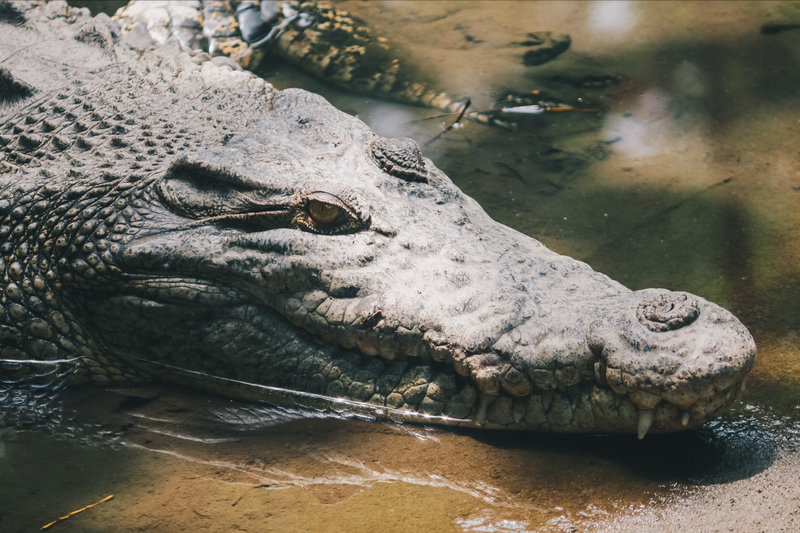
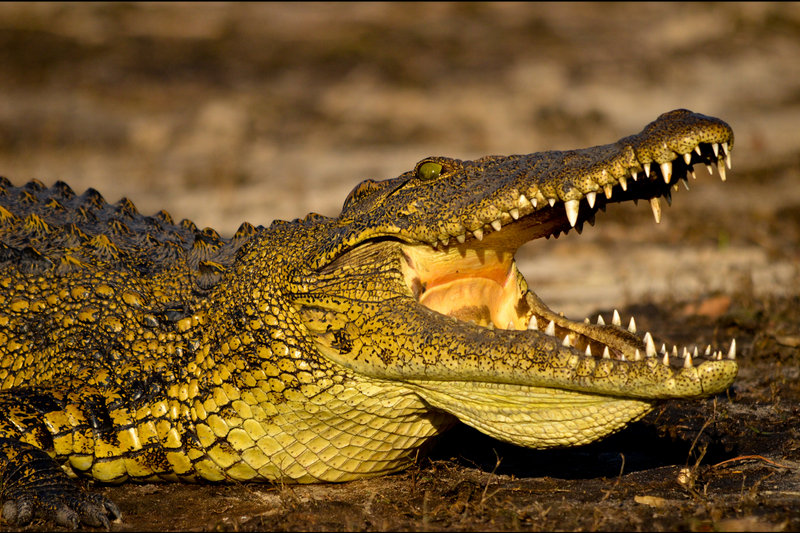
Dark brownish-grey with darker cross-banding; broader and shorter snout than the American Crocodile; fourth tooth hidden when mouth is closed
ADAPTATIONS
Broader snout adapted for freshwater prey; nocturnal predator that detects vibrations in water through dermal pressure receptors; excavates burrows in banks
🌿 Ecology
HABITAT
Freshwater swamps, lakes, marshes, rivers, and cenotes of the Yucatan Peninsula and Gulf lowlands; does not tolerate saltwater
DIET
Carnivore
GEOGRAPHIC RANGE
Endemic to Mexico, Belize, and northern Guatemala; restricted to the freshwater systems of the Gulf lowlands and Yucatan Peninsula
REPRODUCTION
Female guards a mound nest; 20–45 eggs; incubation 80 days; female carries hatchlings to water; guards young for several months
DIET DETAILS
Fish, turtles, frogs, snails, and small mammals ambushed at the water's edge
⚠️ Threats & Conservation
PRIMARY THREATS
Historical hunting for leather nearly eliminated the species; now recovering in protected areas; habitat loss from wetland drainage
💡 Interesting Facts
1
Morelet's Crocodile is endemic to the Mesoamerican region and was nearly hunted to extinction in the mid-20th century; populations have largely recovered in Mexico following legal protection.
2
Despite being related to the larger American Crocodile, Morelet's Crocodile is strictly a freshwater species — it is never found in coastal or brackish water, unlike its larger relative.
🔭 Sighting Guide
📍 BEST PLACES TO SIGHT
Sian Ka'an Biosphere Reserve cenote lakes near Tulum, Quintana Roo, have abundant Morelet's Crocodiles visible on night boat tours
Calakmul Biosphere Reserve aguadas (waterholes), Campeche, have Morelet's Crocodiles in seasonal freshwater pools
El Palmar Biosphere Reserve near Champotón, Campeche, has Morelet's Crocodiles in freshwater wetlands
🗓️ BEST TIME TO SIGHT
Year-round in freshwater lagoons of Sian Ka'an Biosphere Reserve and around Calakmul; night boat tours reveal glowing red eyes at the water's edge.
🎯 SIGHTING TIPS
Year-round. Endemic to the freshwater lagoons and rivers of the Yucatan and Gulf lowlands; most visible in the Sian Ka'an cenote lakes at night.