Home › Reptilia › Crocodylidae › Cuban Crocodile (Crocodylus rhombifer)
SPECIES PROFILE
Cuban Crocodile (Crocodylus rhombifer)
Crocodylus
IUCN STATUS
Critically Endangered


CONSERVATION STATUS
Critically Endangered
CLASS
Reptilia
GEOGRAPHICAL RANGE
Endemic to Cuba; historically across western Cuba; now almost entirely restricted to Ciénaga de Zapata.
DIET
Carnivore
HABITAT
Freshwater swamps, marshes, and slow-moving rivers of Cuba; Ciénaga de Zapata is the primary remaining stronghold.
🔬 Classification
PHYLUM
Chordata
CLASS
Reptilia
ORDER
Crocodylia
FAMILY
Crocodylidae
GENUS
Crocodylus
📋 Description
SIZE
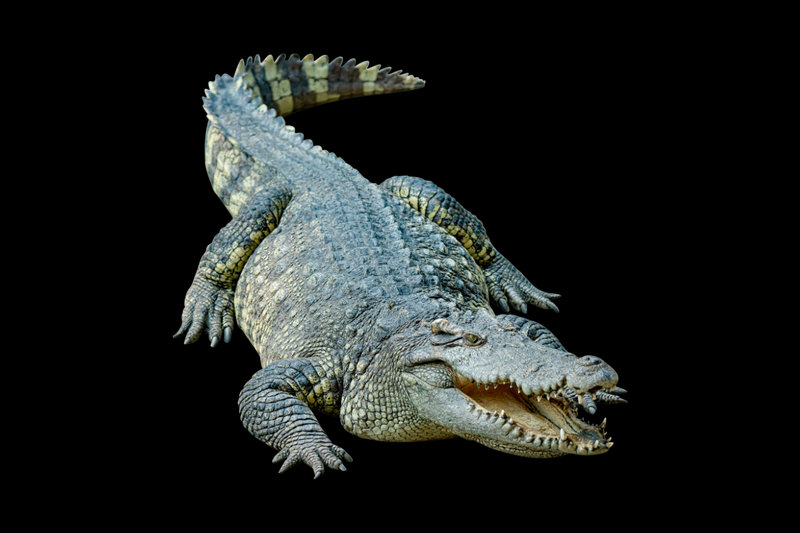
Medium-large crocodilian; males up to 3.5 m and 80 kg; females smaller.
COLORATION
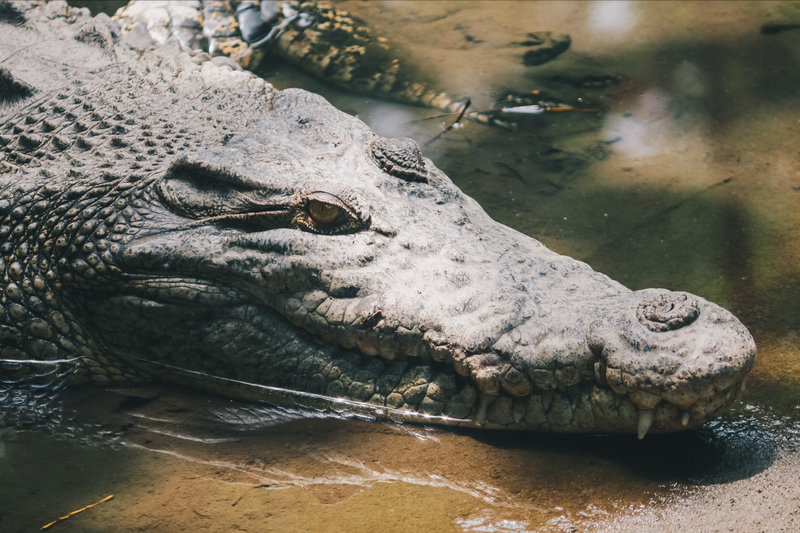
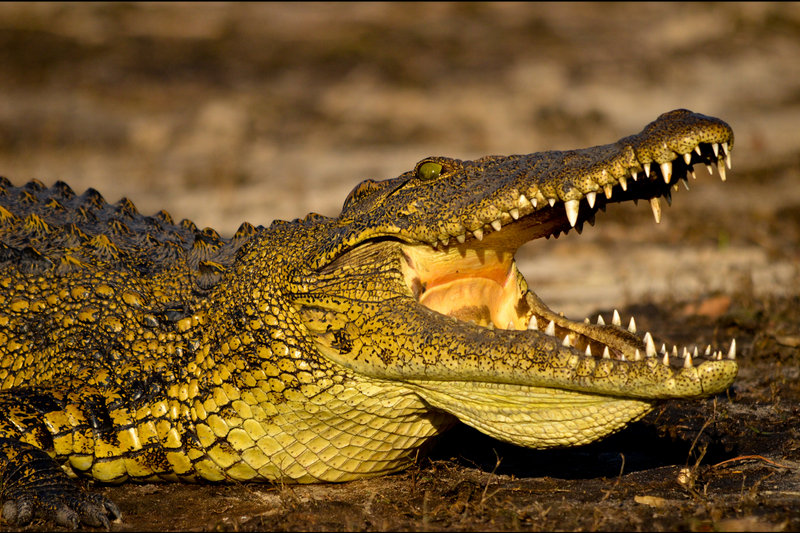
Robust dark olive-brown body with small black spots; bright yellow and black speckling on head and neck; distinctive raised "brow" scales.
ADAPTATIONS
Longer, more powerful hind legs than most crocodilians, enabling terrestrial sprinting; highly terrestrial for a crocodilian.
🌿 Ecology
HABITAT
Freshwater swamps, marshes, and slow-moving rivers of Cuba; Ciénaga de Zapata is the primary remaining stronghold.
DIET
Carnivore
GEOGRAPHIC RANGE
Endemic to Cuba; historically across western Cuba; now almost entirely restricted to Ciénaga de Zapata.
REPRODUCTION
Females lay 30–40 eggs in mound nests; incubation ~85 days; hatchlings guarded by the mother for several weeks.
DIET DETAILS
Fish, turtles, small mammals, and birds; can sprint short distances on land to catch prey near water edges.
⚠️ Threats & Conservation
PRIMARY THREATS
Hybridisation with American Crocodiles threatens genetic purity; habitat loss; historical hunting for skins.
💡 Interesting Facts
1
The Cuban Crocodile is the most terrestrial crocodilian in the world and one of the most endangered.
2
Fossil evidence shows it once co-existed with ground sloths in Cuba — it may have evolved to prey on them.
🔭 Sighting Guide
📍 BEST PLACES TO SIGHT
Ciénaga de Zapata Biosphere Reserve crocodile breeding farm and adjacent wild canals, Cuba — official park tours available.
Laguna del Tesoro in Ciénaga de Zapata, Cuba — boat tours pass basking Cuban Crocodiles in their last wild stronghold.
La Boca de Guamá tourist complex, Zapata Peninsula, Cuba, where semi-wild crocodiles can be observed in managed lagoons.
🗓️ BEST TIME TO SIGHT
Year-round; dry season (November–April) when water levels drop and crocodiles concentrate in remaining pools.
🎯 SIGHTING TIPS
Take the official tour boat through Ciénaga de Zapata's interior canals; crocodiles bask on banks most visibly in morning.