Home › Reptilia › Viperidae › Gaboon Viper (Bitis gabonica)
SPECIES PROFILE
Gaboon Viper (Bitis gabonica)
Bitis
IUCN STATUS
Least Concern


CONSERVATION STATUS
Least Concern
CLASS
Reptilia
GEOGRAPHICAL RANGE
Central and East Africa
DIET
Carnivorous
HABITAT
Forests, savannas, woodlands
🔬 Classification
PHYLUM
Chordata
CLASS
Reptilia
ORDER
Squamata
FAMILY
Viperidae
GENUS
Bitis
📋 Description
SIZE
1.2-2 m, 5-10 kg
COLORATION
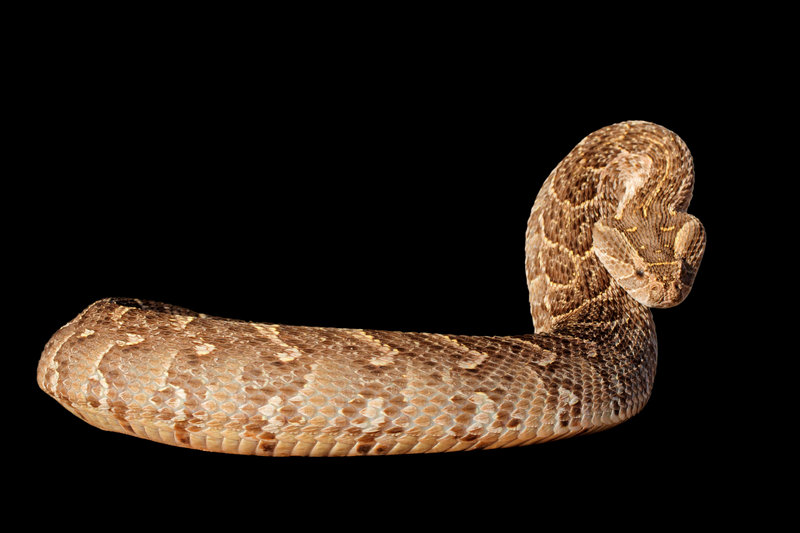
Intricate geometric brown/purple patterns
ADAPTATIONS
Long fangs (5 cm); excellent camouflage
🌿 Ecology
HABITAT
Forests, savannas, woodlands
DIET
Carnivorous
GEOGRAPHIC RANGE
Central and East Africa
REPRODUCTION
20-60 live young; viviparous
DIET DETAILS
Rodents, birds, small mammals
⚠️ Threats & Conservation
PRIMARY THREATS
Habitat loss, human fear
💡 Interesting Facts
1
Fanged Giants: With the longest fangs of any snake (up to 5 cm), gaboon vipers inject massive venom doses, enough to kill multiple humans, though they rarely strike unless provoked. Their slow, deliberate strike contrasts with their deadly potency.
2
Camouflage Artists: Their geometric patterns mimic forest floors so perfectly that prey often steps within inches before the viper strikes, a testament to millions of years of evolutionary honing. This stealth has made them nearly invisible even to experienced herpetologists.
🔭 Sighting Guide
📍 BEST PLACES TO SIGHT
Kakamega Forest, Kenya
Dzanga-Sangha Reserve, CAR
Kibale National Park, Uganda
🗓️ BEST TIME TO SIGHT
Guided night hikes with herpetologists to spot camouflaged vipers in leaf litter.
🎯 SIGHTING TIPS
December-March: Dry season makes forest trails more accessible for spotting vipers.