Home › Reptilia › Viperidae › Puff Adder (Bitis arietans)
SPECIES PROFILE
Puff Adder (Bitis arietans)
Bitis
IUCN STATUS
Least Concern

CONSERVATION STATUS
Least Concern
CLASS
Reptilia
GEOGRAPHICAL RANGE
Widespread across Africa, parts of Arabia
DIET
Carnivorous
HABITAT
Savannas, grasslands, forests
🔬 Classification
PHYLUM
Chordata
CLASS
Reptilia
ORDER
Squamata
FAMILY
Viperidae
GENUS
Bitis
📋 Description
SIZE
1-1.5 m, 4-6 kg
COLORATION
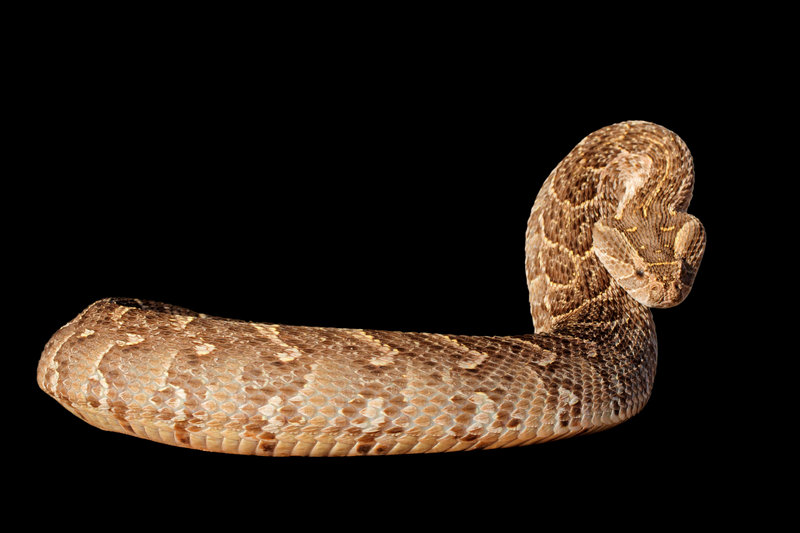
Yellow-brown with chevron patterns
ADAPTATIONS
Venomous fangs; puffs up to intimidate
🌿 Ecology
HABITAT
Savannas, grasslands, forests
DIET
Carnivorous
GEOGRAPHIC RANGE
Widespread across Africa, parts of Arabia
REPRODUCTION
20-40 live young; viviparous
DIET DETAILS
Rodents, birds, lizards
⚠️ Threats & Conservation
PRIMARY THREATS
Human encounters, persecution
💡 Interesting Facts
1
Silent Killers: Puff adders rely on perfect camouflage, lying still until prey or threats are within striking range, then delivering a hemotoxic bite responsible for most snakebite deaths in Africa. Their hiss, like a deflating tire, warns only when it's almost too late.
2
Prolific Breeders: Unlike egg-laying snakes, they give birth to dozens of live young, up to 156 in rare cases, ensuring their widespread presence despite human attempts to eradicate them. This reproductive strategy thrives in diverse habitats from deserts to forests.
🔭 Sighting Guide
📍 BEST PLACES TO SIGHT
Kruger National Park, South Africa
Masai Mara National Reserve, Kenya
Etosha National Park, Namibia
🗓️ BEST TIME TO SIGHT
Guided walks with herpetologists to spot camouflaged adders in grass or rocks.
🎯 SIGHTING TIPS
June-October: Dry season increases adder activity in open areas for hunting.