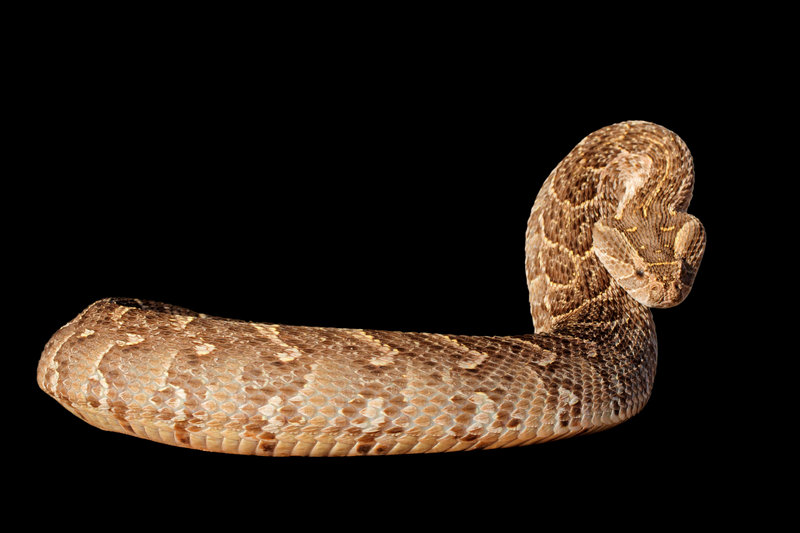
Home › Reptilia › Viperidae › Mangrove Pit Viper (Cryptelytrops purpureomaculatus)
SPECIES PROFILE
Mangrove Pit Viper (Cryptelytrops purpureomaculatus)
Cryptelytrops
IUCN STATUS
Least Concern


CONSERVATION STATUS
Least Concern
CLASS
Reptilia
GEOGRAPHICAL RANGE
Peninsular Malaysia
DIET
Carnivorous
HABITAT
Mangroves, swampy forests
🔬 Classification
PHYLUM
Chordata
CLASS
Reptilia
ORDER
Squamata
FAMILY
Viperidae
GENUS
Cryptelytrops
📋 Description
SIZE
0.7-1 m, 0.5-1 kg
COLORATION
Black to brown with green patches
ADAPTATIONS
Venomous fangs; short-tempered
🌿 Ecology
HABITAT
Mangroves, swampy forests
DIET
Carnivorous
GEOGRAPHIC RANGE
Peninsular Malaysia
REPRODUCTION
10-20 live young; viviparous
DIET DETAILS
Birds, frogs, rodents
⚠️ Threats & Conservation
PRIMARY THREATS
Habitat loss
💡 Interesting Facts
1
Stealth Strikers: These vipers blend into mangrove roots with mottled colors, striking prey with hemotoxic venom that kills within minutes, their short fuse making them feared by locals. Their heat-sensing pits detect warm-blooded prey in total darkness, ensuring deadly accuracy.
2
Viviparous Breeders: Unlike many snakes, they give birth to live young, up to 20 at a time, which are venomous from birth and hunt immediately. This reproductive strategy thrives in Malaysia's humid mangroves, where eggs would risk fungal infection.
🔭 Sighting Guide
📍 BEST PLACES TO SIGHT
Langkawi Mangrove Forest
Penang National Park
Kuala Selangor Nature Park
🗓️ BEST TIME TO SIGHT
Join guided night walks to spot vipers coiled on branches.
🎯 SIGHTING TIPS
April-October. Dry season increases viper activity in mangroves.