Home › Mammalia › Felidae › Ocelot (Leopardus pardalis)
SPECIES PROFILE
Ocelot (Leopardus pardalis)
Leopardus
IUCN STATUS
Least Concern


CONSERVATION STATUS
Least Concern
CLASS
Mammalia
GEOGRAPHICAL RANGE
Texas and Arizona south through Mexico and Central America to northern Argentina; widespread but patchily distributed in Mexico
DIET
Carnivore
HABITAT
Dense thorn forest, tropical dry forest, cloud forest, and riparian woodland; requires dense cover and a good prey base
🔬 Classification
PHYLUM
Chordata
CLASS
Mammalia
ORDER
Carnivora
FAMILY
Felidae
GENUS
Leopardus
📋 Description
SIZE
55–100 cm body; 8–16 kg; females smaller
COLORATION
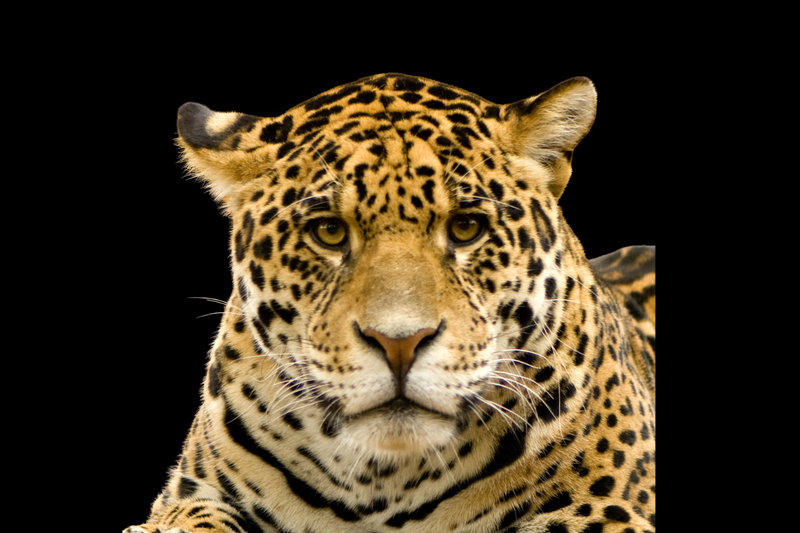
Tawny to orange-yellow with dark brown rosettes and streaks; two dark cheek stripes; white underside; short dense fur; large dark eyes
ADAPTATIONS
Solitary nocturnal ambush predator; excellent climber and swimmer; overlapping individual home ranges maintained by scent marking
🌿 Ecology
HABITAT
Dense thorn forest, tropical dry forest, cloud forest, and riparian woodland; requires dense cover and a good prey base
DIET
Carnivore
GEOGRAPHIC RANGE
Texas and Arizona south through Mexico and Central America to northern Argentina; widespread but patchily distributed in Mexico
REPRODUCTION
1–2 kittens born after 79–85 day gestation; kittens stay with mother for up to 2 years; low reproductive rate
DIET DETAILS
Rodents, rabbits, opossums, iguanas, frogs, fish, and birds; hunts by stealth and pounce
⚠️ Threats & Conservation
PRIMARY THREATS
Historical fur hunting decimated populations; now threatened by road mortality, habitat fragmentation, and persecution as poultry predators
💡 Interesting Facts
1
The Ocelot was one of the most heavily hunted wild cats in the Americas for the fur trade — hundreds of thousands were killed annually in the 1960s and 1970s; it still has not recovered in the US.
2
Ocelots are one of the most beautifully patterned wild cats in the world; each individual's coat pattern is unique, like a fingerprint, allowing individual identification from camera trap photos.
🔭 Sighting Guide
📍 BEST PLACES TO SIGHT
Rancho El Aribabi near Ímuris, Sonora, is a private reserve that has documented Ocelots with camera traps in northern Mexico
El Cielo Biosphere Reserve near Gómez Farías, Tamaulipas, has Ocelots in subtropical cloud forest
Sierra Gorda Biosphere Reserve near Jalpan, Querétaro, has camera-trapped Ocelots in mixed forest habitat
🗓️ BEST TIME TO SIGHT
Year-round but nocturnal. Rancho El Aribabi in Sonora and Sierra Gorda Biosphere Reserve offer the best chance in Mexico; camera traps reveal presence.
🎯 SIGHTING TIPS
Year-round; night spotlight drives near Rancho El Aribabi, Sonora, and in Tamaulipas thorn forest; El Cielo Biosphere Reserve for cloud forest populations.