Home › Aves › Cathartidae › Andean Condor (Vultur gryphus)
SPECIES PROFILE
Andean Condor (Vultur gryphus)
Vultur
IUCN STATUS
Vulnerable

CONSERVATION STATUS
Vulnerable
CLASS
Aves
GEOGRAPHICAL RANGE
Andes from Venezuela to Tierra del Fuego
DIET
Carnivorous (scavenger)
HABITAT
High Andes, canyons, coastal cliffs
🔬 Classification
PHYLUM
Chordata
CLASS
Aves
ORDER
Cathartiformes
FAMILY
Cathartidae
GENUS
Vultur
📋 Description
SIZE
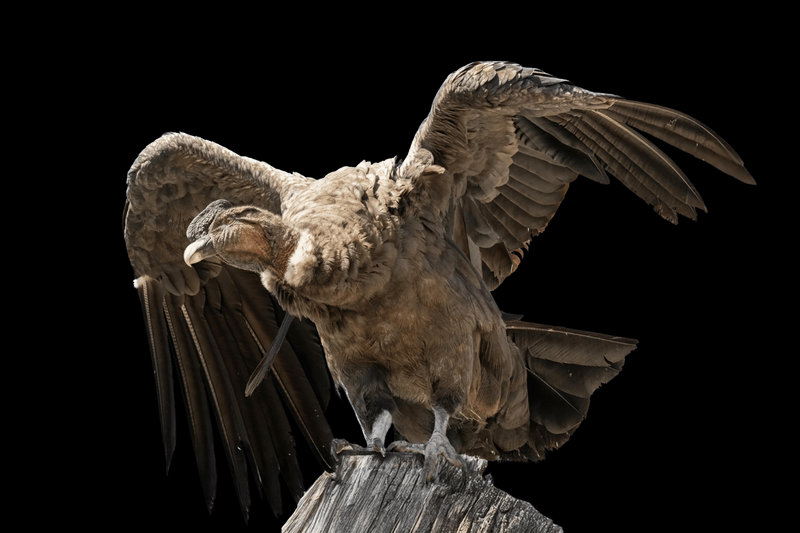
Wingspan up to 3.3 m; 11-15 kg
COLORATION
Black with a white neck ruff and wing patches; males have a fleshy crest
ADAPTATIONS
One of the largest flying birds; soars for hours without flapping
🌿 Ecology
HABITAT
High Andes, canyons, coastal cliffs
DIET
Carnivorous (scavenger)
GEOGRAPHIC RANGE
Andes from Venezuela to Tierra del Fuego
REPRODUCTION
One egg every 2 years
DIET DETAILS
Carrion of large mammals
⚠️ Threats & Conservation
PRIMARY THREATS
Poisoning, persecution, lead
💡 Interesting Facts
1
A national symbol across the Andes, it can soar to 5,000 m and glide over 200 km in a day.
2
Colca Canyon's Cruz del Condor is one of the most reliable places on Earth to see them.
🔭 Sighting Guide
📍 BEST PLACES TO SIGHT
Colca Canyon (Cruz del Condor)
Cotahuasi Canyon
🗓️ BEST TIME TO SIGHT
May-September
🎯 SIGHTING TIPS
Arrive at canyon viewpoints by mid-morning as rising thermals lift condors to eye level.