Home › Aves › Psittacidae › Scarlet Macaw (Ara macao)
SPECIES PROFILE
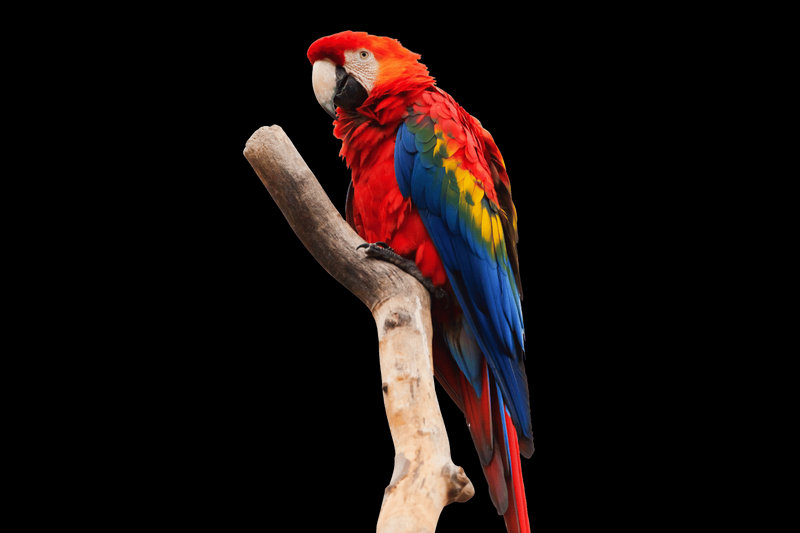
Scarlet Macaw (Ara macao)
Ara
IUCN STATUS
Least Concern

CONSERVATION STATUS
Least Concern
CLASS
Aves
GEOGRAPHICAL RANGE
Southern Mexico to Amazonian South America
DIET
Herbivorous
HABITAT
Lowland rainforest, riverside forest
🔬 Classification
PHYLUM
Chordata
CLASS
Aves
ORDER
Psittaciformes
FAMILY
Psittacidae
GENUS
Ara
📋 Description
SIZE
Up to 89 cm long
COLORATION
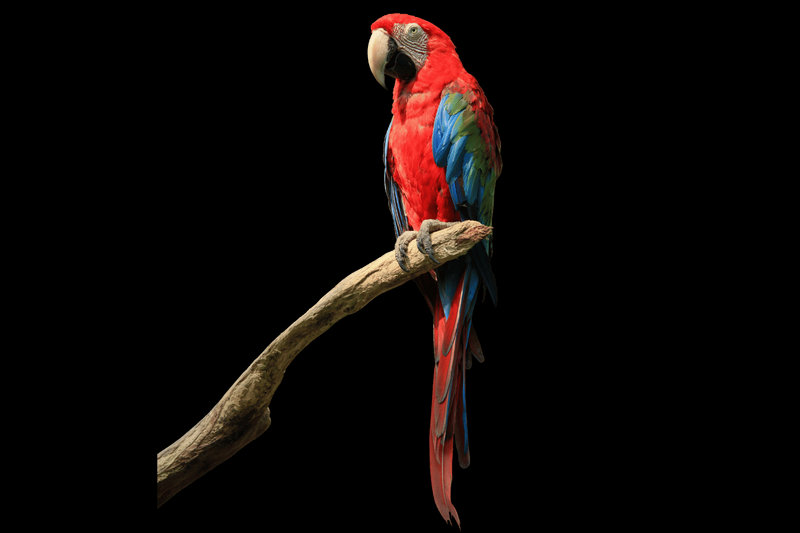
Vivid scarlet with yellow and blue wings; bare white face
ADAPTATIONS
Powerful hooked bill; strong pair bonds
🌿 Ecology
HABITAT
Lowland rainforest, riverside forest
DIET
Herbivorous
GEOGRAPHIC RANGE
Southern Mexico to Amazonian South America
REPRODUCTION
2-4 eggs in tree cavities
DIET DETAILS
Fruit, seeds, nuts and clay for minerals
⚠️ Threats & Conservation
PRIMARY THREATS
Pet trade, habitat loss
💡 Interesting Facts
1
The clay licks of Tambopata draw hundreds of macaws and parrots in a daily spectacle of colour.
2
Scarlet macaws mate for life and can live over 50 years.
🔭 Sighting Guide
📍 BEST PLACES TO SIGHT
Tambopata NR (Chuncho clay lick)
Manú NP
🗓️ BEST TIME TO SIGHT
May-November
🎯 SIGHTING TIPS
Visit riverside clay licks (collpas) at dawn to see dozens of macaws gathering to eat clay.