Home › Mammalia › Mustelidae › Giant Otter (Pteronura brasiliensis)
SPECIES PROFILE
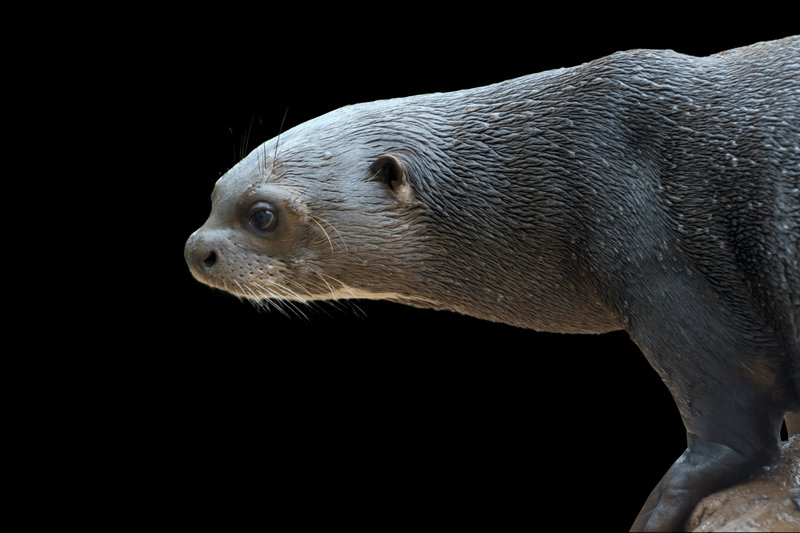
Giant Otter (Pteronura brasiliensis)
Pteronura
IUCN STATUS
Endangered

CONSERVATION STATUS
Endangered
CLASS
Mammalia
GEOGRAPHICAL RANGE
Amazon and Orinoco basins
DIET
Carnivorous
HABITAT
Slow rivers, oxbow lakes, flooded forest
🔬 Classification
PHYLUM
Chordata
CLASS
Mammalia
ORDER
Carnivora
FAMILY
Mustelidae
GENUS
Pteronura
📋 Description
SIZE
Up to 1.7 m long; 26-32 kg
COLORATION
Dark brown with a cream throat patch unique to each individual
ADAPTATIONS
Webbed feet and rudder-like tail; highly social
🌿 Ecology
HABITAT
Slow rivers, oxbow lakes, flooded forest
DIET
Carnivorous
GEOGRAPHIC RANGE
Amazon and Orinoco basins
REPRODUCTION
1-5 pups, raised by the whole family group
DIET DETAILS
Mainly fish, also caiman and crabs
⚠️ Threats & Conservation
PRIMARY THREATS
Habitat loss, gold-mining pollution, overfishing
💡 Interesting Facts
1
The largest otter in the world, reaching nearly two metres, and known as the 'river wolf'.
2
Families are noisy and cooperative, defending territories and rearing cubs together.
🔭 Sighting Guide
📍 BEST PLACES TO SIGHT
Manú National Park
Tambopata NR (Lake Sandoval)
🗓️ BEST TIME TO SIGHT
May-October
🎯 SIGHTING TIPS
Scan oxbow lakes (cochas) by canoe in early morning to catch family groups fishing and calling.