Home › Mammalia › Elephantidae › Indian Elephant (Elephas maximus indicus)
SPECIES PROFILE
Indian Elephant (Elephas maximus indicus)
Elephas
IUCN STATUS
Endangered

CONSERVATION STATUS
Endangered
CLASS
Mammalia
GEOGRAPHICAL RANGE
South India, Northeast, and parts of East India
DIET
Herbivorous
HABITAT
Forests, grasslands, scrub; prefers water-rich areas
🔬 Classification
PHYLUM
Chordata
CLASS
Mammalia
ORDER
Proboscidea
FAMILY
Elephantidae
GENUS
Elephas
📋 Description
SIZE
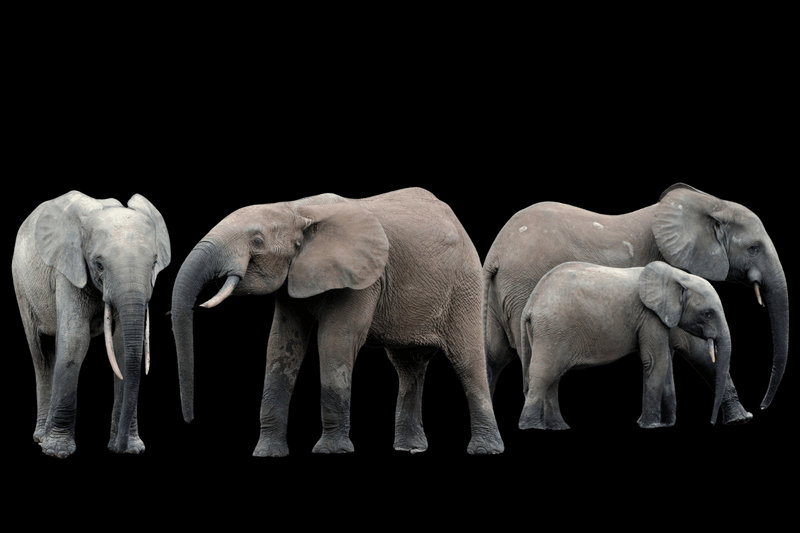
Males 2-3.5 meters at shoulder, 2,000-5,000 kg; females 2-3 meters, 2,000-3,500 kg
COLORATION
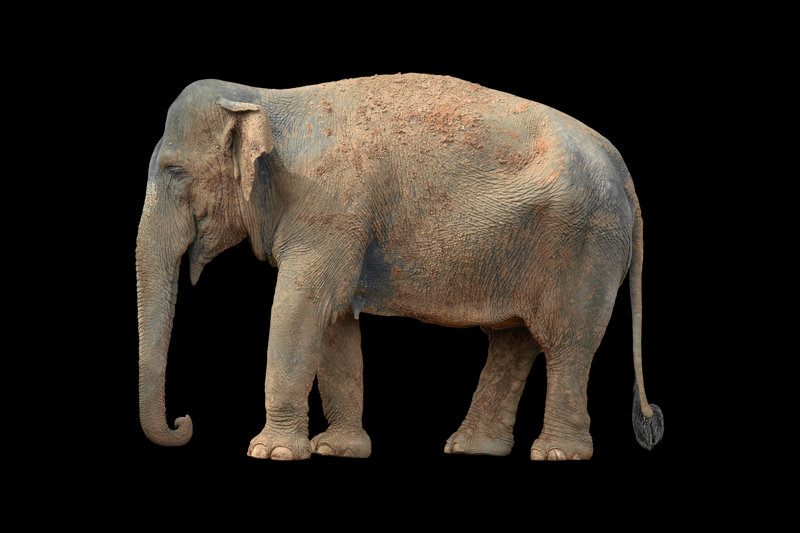
Grey skin, often dusted with soil; smaller ears than African elephants
ADAPTATIONS
Trunk for feeding and bathing, tusks (in males) for digging and fighting
🌿 Ecology
HABITAT
Forests, grasslands, scrub; prefers water-rich areas
DIET
Herbivorous
GEOGRAPHIC RANGE
South India, Northeast, and parts of East India
REPRODUCTION
Females gestate 18-22 months, birthing one calf; calf weaned at 3-4 years
DIET DETAILS
Grasses, leaves, bark, fruits; consumes up to 150 kg daily
⚠️ Threats & Conservation
PRIMARY THREATS
Habitat loss, human-elephant conflict, ivory poaching (less common now)
💡 Interesting Facts
1
Social Bonds: Herds of 20 led by matriarchs communicate via 15 Hz rumbles in Periyar's forests with 27000 in India. Their 4-ton bodies eat 150 kg daily.
2
Festival Stars: Adorned in Kerala's temples their 3-meter trunks lift 500 kg in Kaziranga's rituals. Deforestation threatens their 100000 sq km forest range.
🔭 Sighting Guide
📍 BEST PLACES TO SIGHT
Periyar National Park in Kerala southern forests host elephant herd sightings
Kaziranga National Park in Assam grasslands have large elephant populations
Bandipur National Park in Karnataka Western Ghats is an elephant corridor
🗓️ BEST TIME TO SIGHT
November-March. Dry season brings elephants to waterholes for drinking.
🎯 SIGHTING TIPS
Join guided safaris at dusk to see elephant herds bathing in rivers.