Home › Mammalia › Elephantidae › Borneo Elephant (Elephas maximus borneensis)
SPECIES PROFILE
Borneo Elephant (Elephas maximus borneensis)
Elephas
IUCN STATUS
Critically Endangered


CONSERVATION STATUS
Critically Endangered
CLASS
Mammalia
GEOGRAPHICAL RANGE
Borneo (East Kalimantan, Indonesia)
DIET
Herbivorous
HABITAT
Rainforests, swampy areas
🔬 Classification
PHYLUM
Chordata
CLASS
Mammalia
ORDER
Proboscidea
FAMILY
Elephantidae
GENUS
Elephas
📋 Description
SIZE
2-2.5 m tall, 2-4 tons
COLORATION
Grey, wrinkled skin
ADAPTATIONS
Trunk for feeding; small ears
🌿 Ecology
HABITAT
Rainforests, swampy areas
DIET
Herbivorous
GEOGRAPHIC RANGE
Borneo (East Kalimantan, Indonesia)
REPRODUCTION
Gestation 18-22 months, 1 calf
DIET DETAILS
Grasses, leaves, fruits (100-150 kg/day)
⚠️ Threats & Conservation
PRIMARY THREATS
Habitat loss, human conflict
💡 Interesting Facts
1
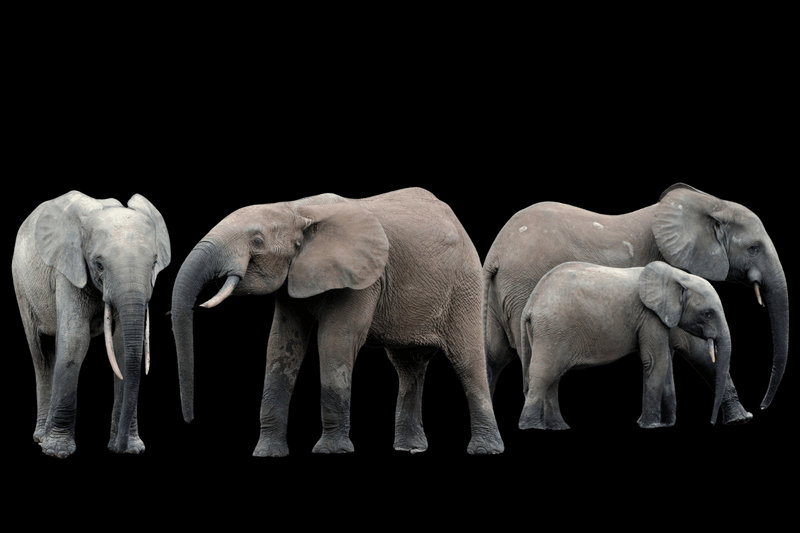
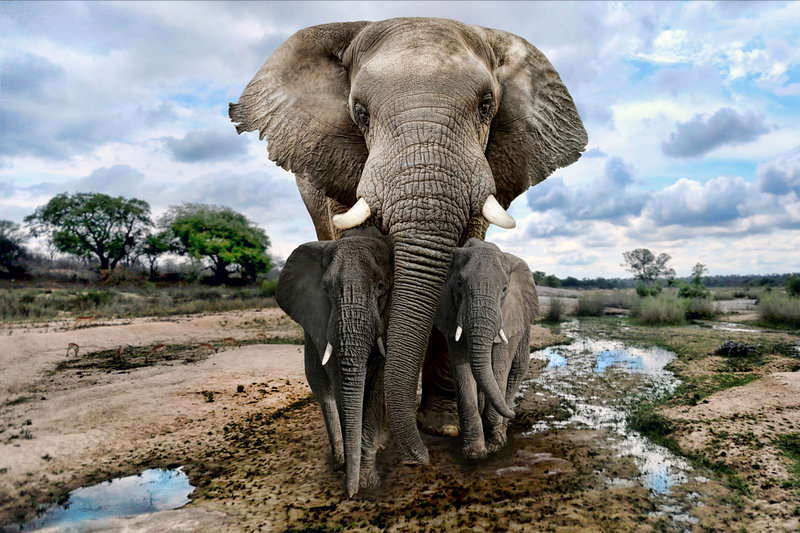
Pygmy Giants: The smallest Asian elephant subspecies, Borneo elephants have oversized ears and short tails, adapted for swampy forests. Their grazing prevents wildfires by controlling vegetation, sustaining biodiversity in Kalimantan's ecosystems.
2
Cultural Symbols: Revered in Borneo's indigenous cultures, they're seen as gentle spirits, with festivals celebrating their role in seed dispersal. Habitat loss from palm oil plantations threatens their ~1,000 remaining individuals, spurring community-led conservation.
🔭 Sighting Guide
📍 BEST PLACES TO SIGHT
Kinabatangan Wildlife Sanctuary
Danum Valley Conservation Area
Tabin Wildlife Reserve
🗓️ BEST TIME TO SIGHT
April-October. Dry season concentrates elephants near rivers for drinking.
🎯 SIGHTING TIPS
Take boat safaris at dusk to see elephant herds bathing.