Home › Mammalia › Elephantidae › Sumatran Elephant (Elephas maximus sumatranus)
SPECIES PROFILE
Sumatran Elephant (Elephas maximus sumatranus)
Elephas
IUCN STATUS
Critically Endangered


CONSERVATION STATUS
Critically Endangered
CLASS
Mammalia
GEOGRAPHICAL RANGE
Sumatra, Indonesia
DIET
Herbivorous
HABITAT
Rainforests, swamps
🔬 Classification
PHYLUM
Chordata
CLASS
Mammalia
ORDER
Proboscidea
FAMILY
Elephantidae
GENUS
Elephas
📋 Description
SIZE
2-3.2 m tall, 2-4 tons
COLORATION
Grey, wrinkled skin
ADAPTATIONS
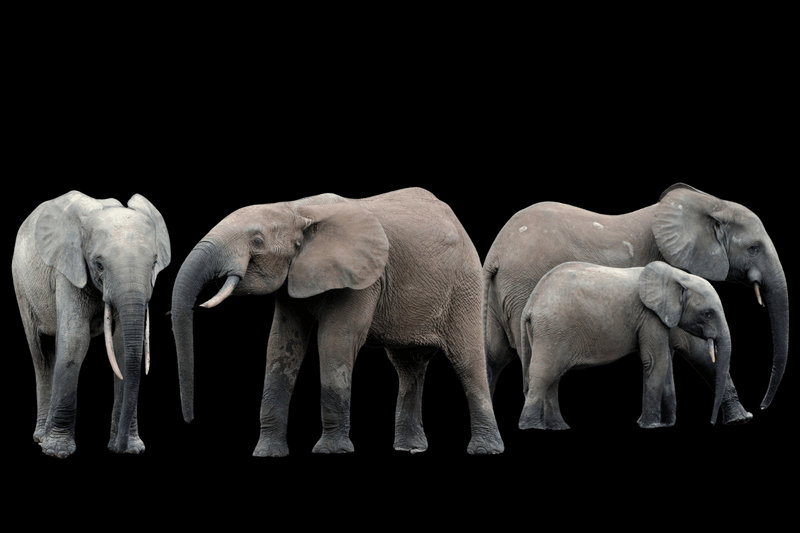
Trunk for foraging; social structure
🌿 Ecology
HABITAT
Rainforests, swamps
DIET
Herbivorous
GEOGRAPHIC RANGE
Sumatra, Indonesia
REPRODUCTION
Gestation 18-22 months, 1 calf
DIET DETAILS
Grasses, leaves, fruits (100-150 kg/day)
⚠️ Threats & Conservation
PRIMARY THREATS
Habitat loss, poaching
💡 Interesting Facts
1
Forest Clearers: Sumatran elephants create trails and clearings by trampling vegetation, promoting new plant growth and supporting Sumatra's biodiversity. Their <2,000 remaining individuals face palm oil-driven deforestation, making them critical conservation targets.
2
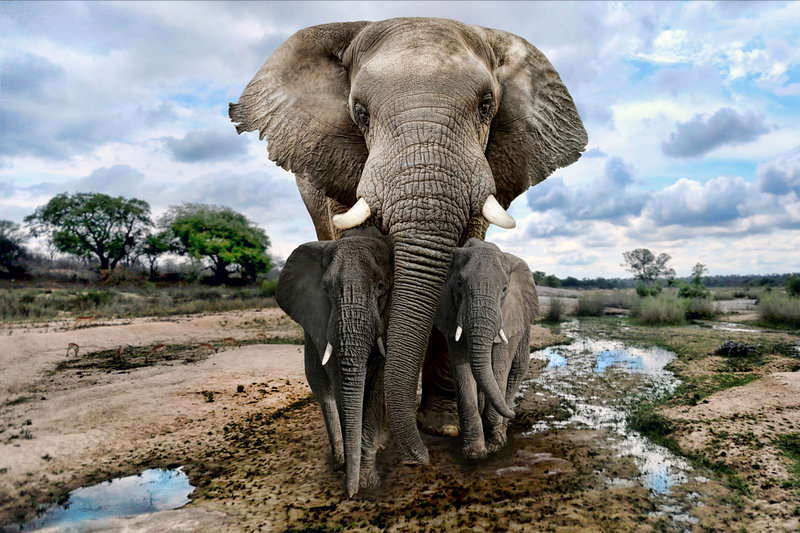
Mud Wallowers: They wallow in mud to cool off and deter parasites, creating water holes that benefit other species like birds and amphibians. This behavior, observed in Way Kambas, underscores their role as ecosystem engineers in Sumatra's dwindling forests.
🔭 Sighting Guide
📍 BEST PLACES TO SIGHT
Way Kambas National Park
Bukit Barisan Selatan National Park
Gunung Leuser National Park
🗓️ BEST TIME TO SIGHT
April-October. Dry season concentrates elephants near rivers for drinking making them easier to spot.
🎯 SIGHTING TIPS
Join guided treks at dusk to see elephant herds bathing in rivers.