top of page

Home › Aves › Phasianidae › Red Spurfowl (Galloperdix spadicea)

SPECIES PROFILE

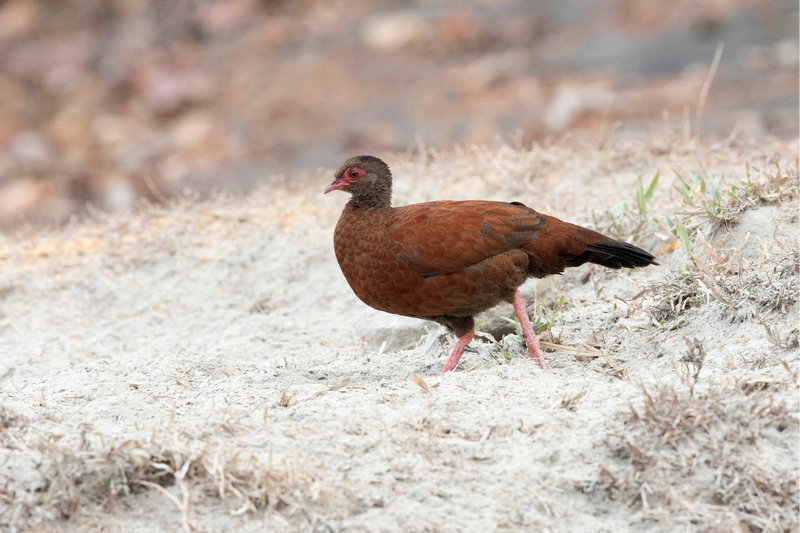
Red Spurfowl (Galloperdix spadicea)

Galloperdix

IUCN STATUS

Least Concern

paw print_edited.png
Red Spurfowl (Galloperdix spadicea) — Endemic to peninsular India

CONSERVATION STATUS

Least Concern

CLASS

Aves

GEOGRAPHICAL RANGE

Endemic to peninsular India

DIET

Omnivorous

HABITAT

Forests scrub dry woodlands

🔬 Classification

PHYLUM

Chordata

CLASS

Aves

ORDER

Galliformes

FAMILY

Phasianidae

GENUS

Galloperdix

📋 Description

SIZE

35-38 cm long 300-500 g

COLORATION

Males red with spurs females brown barred

ADAPTATIONS

Strong legs for scratching cryptic plumage

🌿 Ecology

HABITAT

Forests scrub dry woodlands

DIET

Omnivorous

GEOGRAPHIC RANGE

Endemic to peninsular India

REPRODUCTION

Lays 3-5 eggs in ground nests incubated 18-20 days

DIET DETAILS

Seeds insects tubers

⚠️ Threats & Conservation

PRIMARY THREATS

Habitat loss predation

💡 Interesting Facts

1

Spurred Scratchers: Red Spurfowl scratch with 400-gram bodies eating 80 grams of seeds daily in Tamil Nadu's forests. Males' spurs aid defense.

2

Endemic Foragers: These spurfowl cover 2000 sq km in Kerala's woodlands nesting on ground. Deforestation threatens their range.

🔭 Sighting Guide

📍 BEST PLACES TO SIGHT

Thattekad Bird Sanctuary in Kerala

Anamalai Tiger Reserve in Tamil Nadu

Bandipur National Park in Karnataka

🗓️ BEST TIME TO SIGHT

Year-round Forests ensure visibility for spotting spurfowl

🎯 SIGHTING TIPS

Listen for red spurfowl's calls in undergrowth

🏨 Where to Stay
📍
Thattekad Bird Sanctuary in Kerala
India
📍
Anamalai Tiger Reserve in Tamil Nadu
India
📍
Bandipur National Park in Karnataka
India
🐾 You Might Also Want to See...
Greater Sage-Grouse (Centrocercus urophasianus)

Greater Sage-Grouse (Centrocercus urophasianus)

Sagebrush steppe from southern Alberta and Saskatchewan south to Nevada and Utah; the Canadian population is critically small

Endangered

Ocellated Turkey (Meleagris ocellata)

Ocellated Turkey (Meleagris ocellata)

Endemic to the Yucatan Peninsula of Mexico, Belize, and northern Guatemala; found nowhere else on Earth

Near Threatened

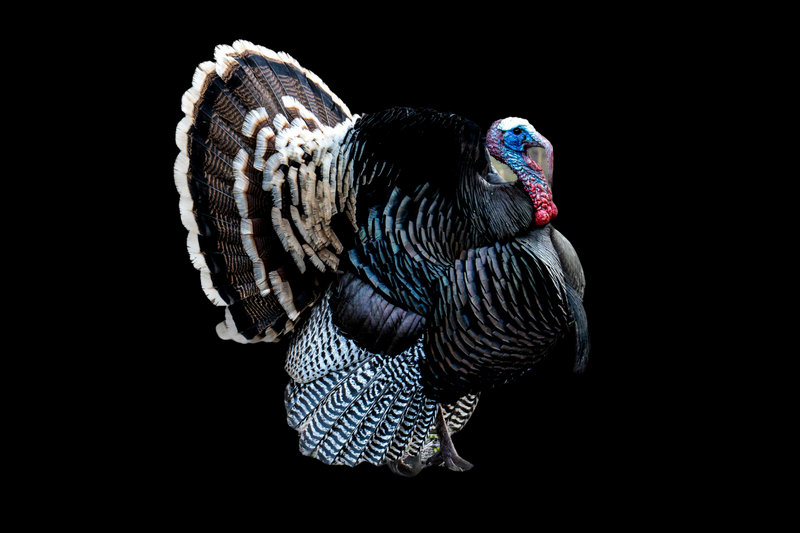
Wild Turkey (Meleagris gallopavo)

Wild Turkey (Meleagris gallopavo)

Widespread across the eastern US and parts of the west after extensive restocking programmes; historically in the Southeast and Midwest

Least Concern

Gray Francolin (Ortygornis pondicerianus)

Gray Francolin (Ortygornis pondicerianus)

Indian subcontinent Middle East

Least Concern

More wildlife in India
Indian Pond-Heron (Ardeola grayii)

Indian Pond-Heron (Ardeola grayii)

Grey Heron (Ardea cinerea)

Grey Heron (Ardea cinerea)

Cinnamon Bittern (Ixobrychus cinnamomeus)

Cinnamon Bittern (Ixobrychus cinnamomeus)

Little Tern (Sternula albifrons)

Little Tern (Sternula albifrons)

Other Least Concern species
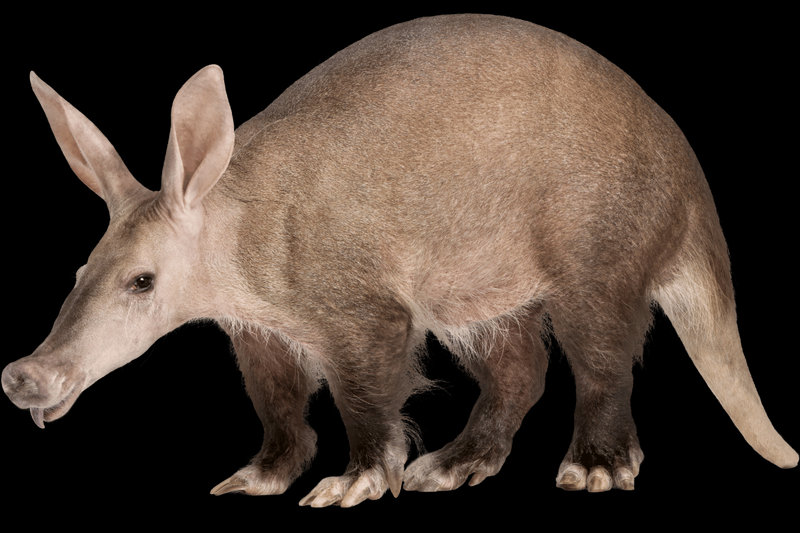
Aardvark (Orycteropus afer)

Aardvark (Orycteropus afer)

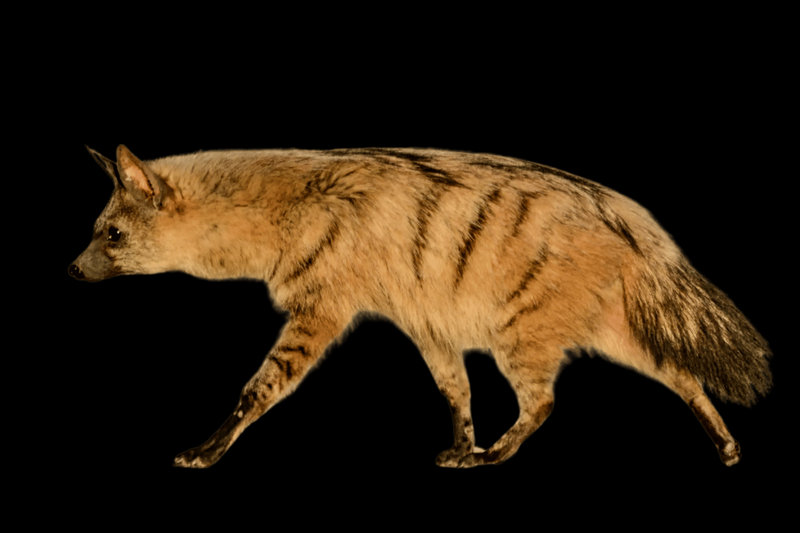
Aardwolf (Proteles cristata)

Aardwolf (Proteles cristata)

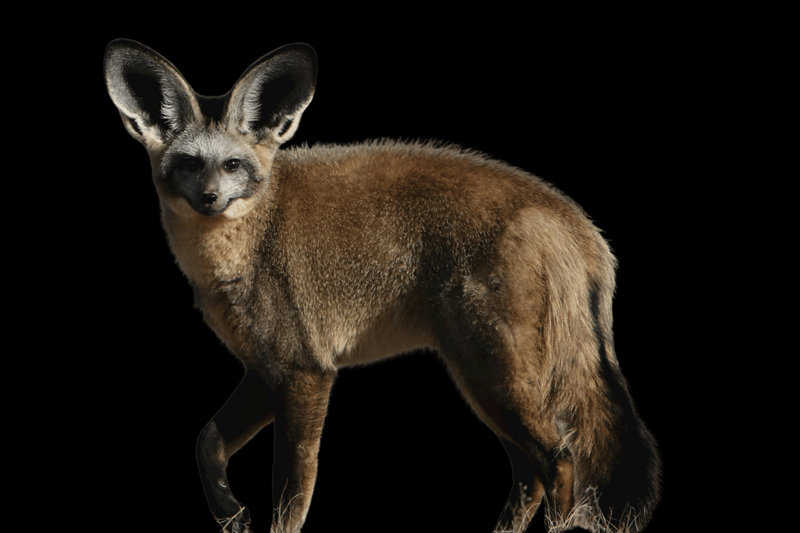
Bat-eared Fox (Otocyon megalotis)

Bat-eared Fox (Otocyon megalotis)

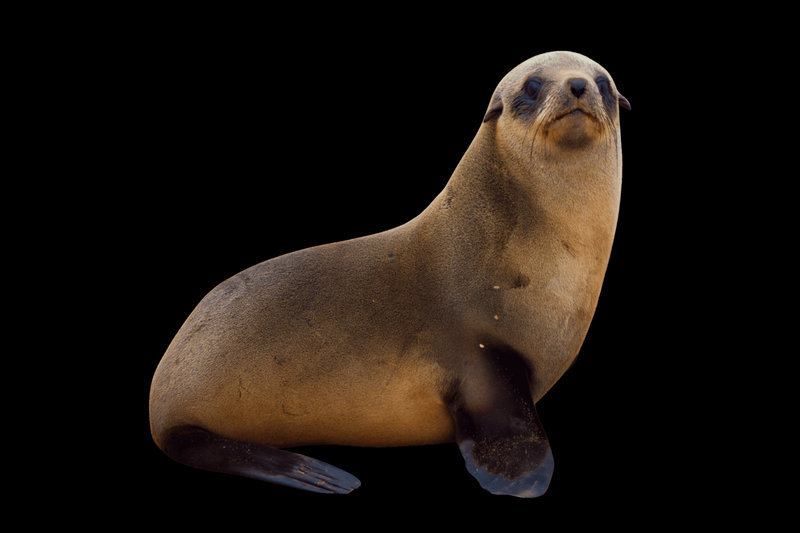
Cape Fur Seal (Arctocephalus pusillus)

Cape Fur Seal (Arctocephalus pusillus)

CONTINUE EXPLORING

Discover more wildlife experiences

bottom of page