Home › Aves › Phasianidae › Greater Sage-Grouse (Centrocercus urophasianus)
SPECIES PROFILE
Greater Sage-Grouse (Centrocercus urophasianus)
Centrocercus
IUCN STATUS
Endangered


CONSERVATION STATUS
Endangered
CLASS
Aves
GEOGRAPHICAL RANGE
Sagebrush steppe from southern Alberta and Saskatchewan south to Nevada and Utah; the Canadian population is critically small
DIET
Herbivore
HABITAT
Sagebrush steppe; entirely dependent on sagebrush for food and cover throughout the year
🔬 Classification
PHYLUM
Chordata
CLASS
Aves
ORDER
Galliformes
FAMILY
Phasianidae
GENUS
Centrocercus
📋 Description
SIZE
Males 75–95 cm, up to 3.6 kg; females 50–58 cm
COLORATION
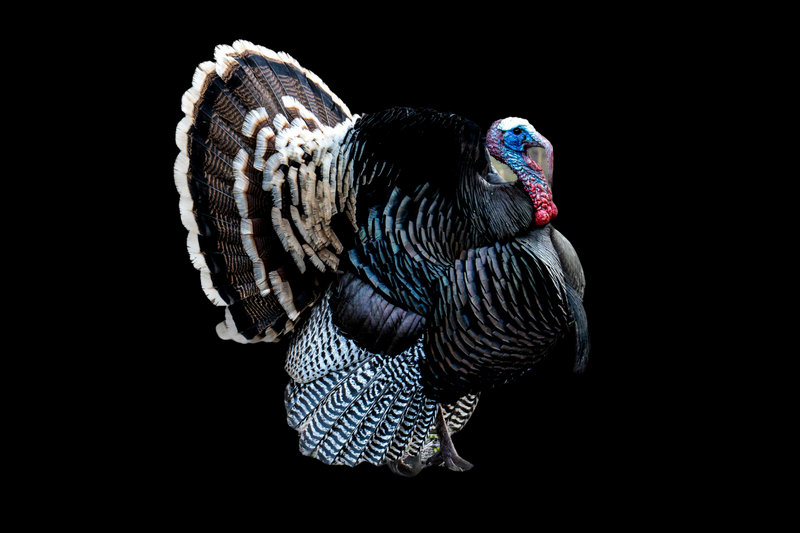
Males: grey-brown with a black belly, two yellow air sacs, and a white ruff on the chest; females cryptically mottled brown
ADAPTATIONS
Males inflate large yellow air sacs on their chest producing loud popping sounds during elaborate display dances on leks
🌿 Ecology
HABITAT
Sagebrush steppe; entirely dependent on sagebrush for food and cover throughout the year
DIET
Herbivore
GEOGRAPHIC RANGE
Sagebrush steppe from southern Alberta and Saskatchewan south to Nevada and Utah; the Canadian population is critically small
REPRODUCTION
Males gather at traditional lek sites each spring; females select mates and raise chicks alone; nest is a shallow scrape under sagebrush
DIET DETAILS
Sagebrush leaves make up the majority of the diet year-round; also insects, forbs, and grasses
⚠️ Threats & Conservation
PRIMARY THREATS
Sagebrush loss from agriculture, energy development, invasive grasses, and fire; lek disturbance; West Nile virus
💡 Interesting Facts
1
The Greater Sage-Grouse is considered a keystone species of the sagebrush ecosystem; its decline signals broader ecosystem collapse in the Canadian prairies.
2
Canada's population is estimated at fewer than 200 birds, making it one of the country's most imperilled bird species.
🔭 Sighting Guide
📍 BEST PLACES TO SIGHT
Milk River Watershed near Writing-on-Stone Provincial Park, AB, is the most accessible lek viewing area in Canada
Manyberries, AB, and surrounding sagebrush steppe support one of the last viable Canadian Sage-Grouse populations
Val Marie, SK, near Grasslands National Park has documented lek sites in native sagebrush habitat
🗓️ BEST TIME TO SIGHT
Spring. Attend a lek (communal display ground) near the Milk River area of southern Alberta at sunrise in April.
🎯 SIGHTING TIPS
Early April mornings are peak lek activity; visit established viewing blinds through Alberta Fish and Wildlife to avoid disturbing the birds.