Home › Reptilia › Crocodylidae › Nile Crocodile (Crocodylus niloticus)
SPECIES PROFILE
Nile Crocodile (Crocodylus niloticus)
Crocodylus
IUCN STATUS
Least Concern

CONSERVATION STATUS
Least Concern
CLASS
Reptilia
GEOGRAPHICAL RANGE
Sub-Saharan Africa, Nile basin, Madagascar
DIET
Carnivorous
HABITAT
Rivers, lakes, swamps, estuaries
🔬 Classification
PHYLUM
Chordata
CLASS
Reptilia
ORDER
Crocodilia
FAMILY
Crocodylidae
GENUS
Crocodylus
📋 Description
SIZE
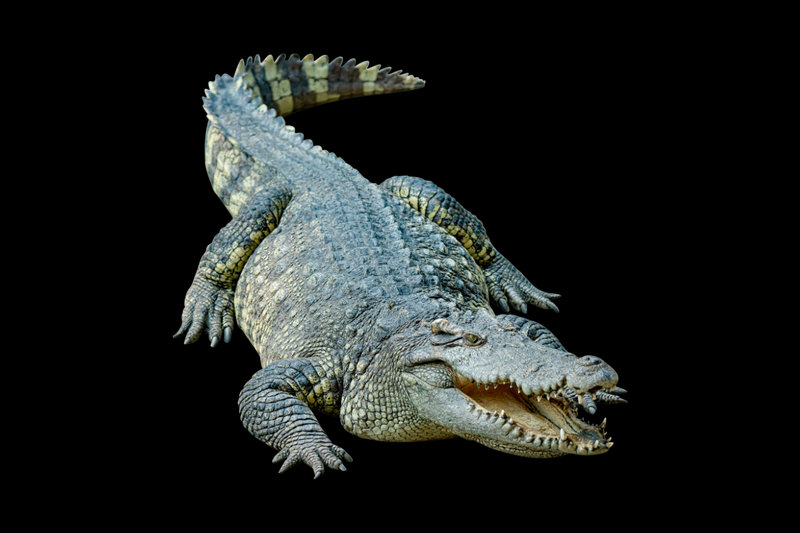
Males 3.5-5 m, 225-750 kg; females 2.4-3.8 m, 40-250 kg
COLORATION
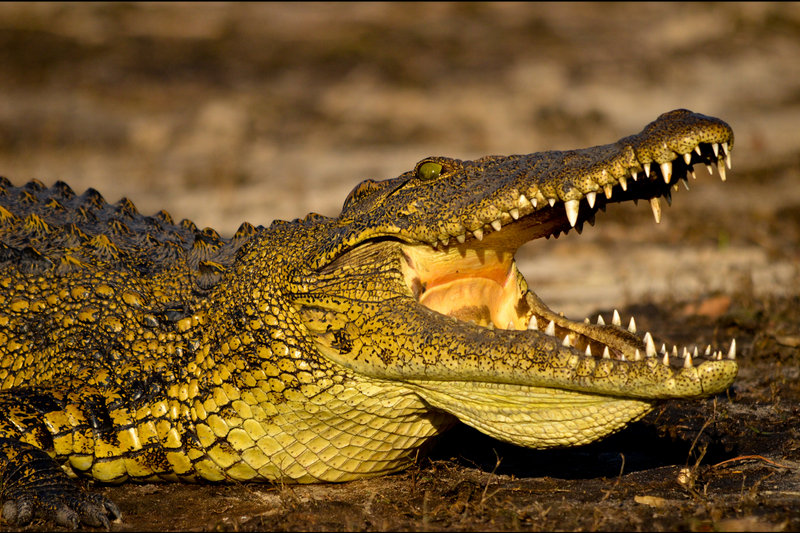
Olive-green; juveniles yellow with black spots
ADAPTATIONS
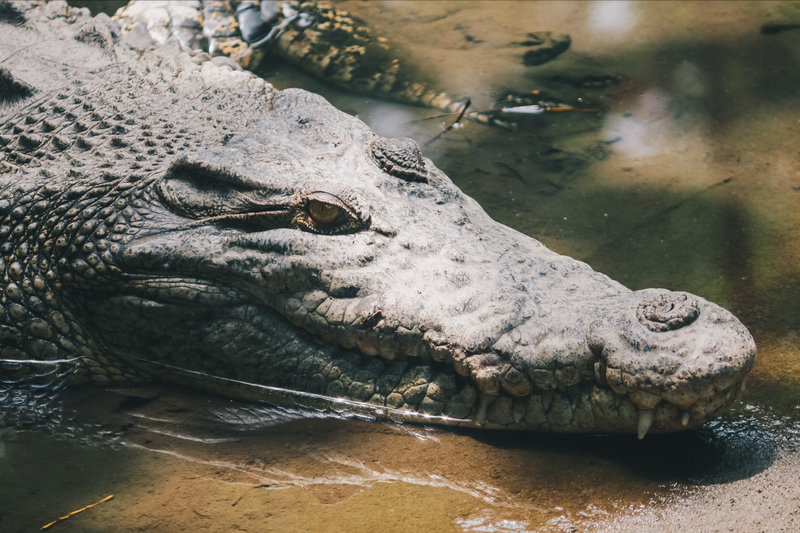
Strong jaws; armored skin
🌿 Ecology
HABITAT
Rivers, lakes, swamps, estuaries
DIET
Carnivorous
GEOGRAPHIC RANGE
Sub-Saharan Africa, Nile basin, Madagascar
REPRODUCTION
25-100 eggs; incubation 80-90 days
DIET DETAILS
Fish, birds, mammals
⚠️ Threats & Conservation
PRIMARY THREATS
Habitat loss, historical hunting
💡 Interesting Facts
1
Ambush Masters: Nile crocodiles can lie submerged for hours, using a third eyelid to see underwater while waiting to lunge at prey with a bite force of 5,000 psi. This stealth, honed over millions of years, makes them apex predators of Africa's waterways.
2
Ancient Survivors: Dating back 200 million years, they've outlived dinosaurs, with fossils showing little change, a testament to their evolutionary success. Their longevity (some live over 70 years) further cements their status as living relics.
🔭 Sighting Guide
📍 BEST PLACES TO SIGHT
Okavango Delta, Botswana
Lake Nasser, Egypt
Kruger National Park, South Africa
🗓️ BEST TIME TO SIGHT
September-April: Dry season encourages crocodiles to bask on riverbanks.
🎯 SIGHTING TIPS
Take boat tours at dusk to spot crocodiles basking on Lake Nasser's shores.