Home › Mammalia › Cervidae › Moose (Alces alces)
SPECIES PROFILE
Moose (Alces alces)
Alces
IUCN STATUS
Least Concern


CONSERVATION STATUS
Least Concern
CLASS
Mammalia
GEOGRAPHICAL RANGE
Boreal North America from Alaska to Newfoundland; in the US primarily in Maine, Minnesota, and the northern Rockies
DIET
Herbivore
HABITAT
Boreal forest and subarctic zones; highly associated with lakes, ponds, and wetlands for summer cooling and aquatic plants
🔬 Classification
PHYLUM
Chordata
CLASS
Mammalia
ORDER
Artiodactyla
FAMILY
Cervidae
GENUS
Alces
📋 Description
SIZE
Males 380–700 kg; antler spread up to 1.8 m; females 200–360 kg; tallest North American land mammal at shoulder height up to 2.1 m
COLORATION
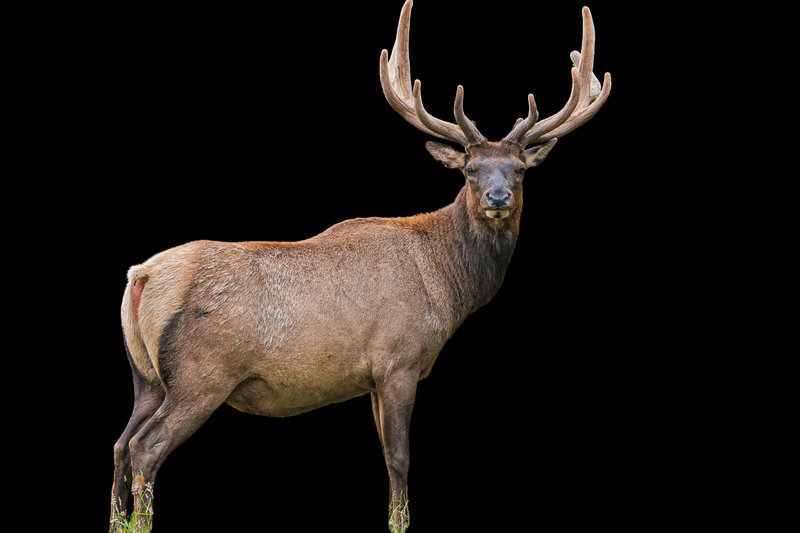
Dark brown to black with a lighter yellowish-grey lower leg; distinctive bulbous snout; pendulous dewlap (bell); males carry massive palmate antlers
ADAPTATIONS
Long legs for wading in deep snow and water; broad hooves for stability in mud and snow; can submerge for 30 seconds to feed on aquatic plants
🌿 Ecology
HABITAT
Boreal forest and subarctic zones; highly associated with lakes, ponds, and wetlands for summer cooling and aquatic plants
DIET
Herbivore
GEOGRAPHIC RANGE
Boreal North America from Alaska to Newfoundland; in the US primarily in Maine, Minnesota, and the northern Rockies
REPRODUCTION
Rut September to October with bulls competing vocally and physically; 1–2 calves born May to June; highly protective mothers
DIET DETAILS
Aquatic plants (pond weeds, water lilies) in summer; willows, birches, and other woody browse in winter
⚠️ Threats & Conservation
PRIMARY THREATS
Climate change causing heat stress and tick infestations; hunting; vehicle collisions; Brainworm parasite transmitted by deer
💡 Interesting Facts
1
A single moose can carry over 100,000 winter ticks — an infestation so severe it causes "ghost moose," where animals rub off patches of fur trying to scratch the ticks.
2
Moose are excellent swimmers capable of swimming 20 km and diving to 5.5 m for aquatic plants; they can also run at 56 km/h through snow that would slow other animals to a halt.
🔭 Sighting Guide
📍 BEST PLACES TO SIGHT
Baxter State Park near Millinocket, ME, has the highest moose density in the contiguous US
Moosehead Lake near Greenville, ME, is a prime location for moose sightings along lake shores at dawn
White Mountain National Forest near Lincoln, NH, has Moose in wet meadows and forest edges
🗓️ BEST TIME TO SIGHT
Year-round. Baxter State Park and the Moosehead Lake region of Maine are the most reliable locations; most active at dawn and dusk.
🎯 SIGHTING TIPS
June and July for cows with calves at dawn near lakes; September and October for the rut when bulls are visible in open areas.