Home › Aves › Phasianidae › Himalayan Monal (Lophophorus impejanus)
SPECIES PROFILE
Himalayan Monal (Lophophorus impejanus)
Lophophorus
IUCN STATUS
Least Concern

CONSERVATION STATUS
Least Concern
CLASS
Aves
GEOGRAPHICAL RANGE
Himalayas: Uttarakhand, Himachal Pradesh, Sikkim
DIET
Omnivorous
HABITAT
Himalayan coniferous forests, 2,400-4,500 meters
🔬 Classification
PHYLUM
Chordata
CLASS
Aves
ORDER
Galliformes
FAMILY
Phasianidae
GENUS
Lophophorus
📋 Description
SIZE
Males 70 cm long, 2-2.5 kg; females smaller
COLORATION
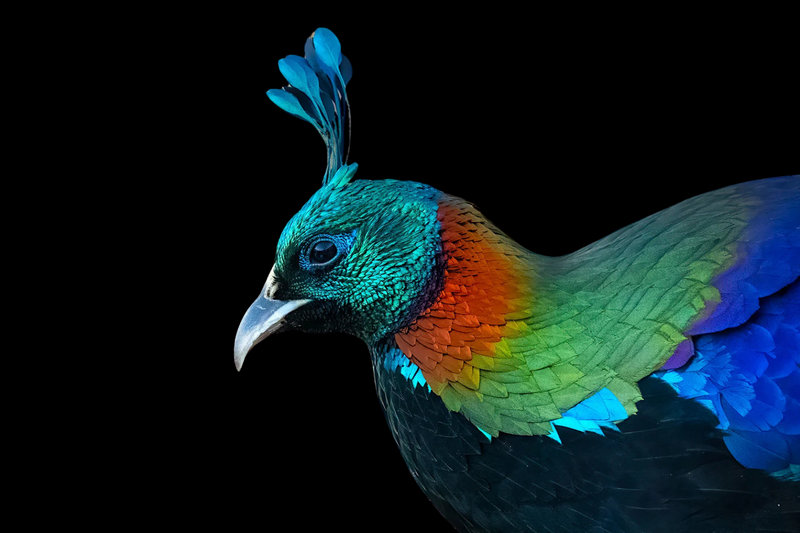
Males iridescent green, purple, red; females brown, mottled
ADAPTATIONS
Short tail, strong legs for digging in snow
🌿 Ecology
HABITAT
Himalayan coniferous forests, 2,400-4,500 meters
DIET
Omnivorous
GEOGRAPHIC RANGE
Himalayas: Uttarakhand, Himachal Pradesh, Sikkim
REPRODUCTION
Lays 3-5 eggs, incubated 27 days
DIET DETAILS
Roots, tubers, insects, seeds
⚠️ Threats & Conservation
PRIMARY THREATS
Habitat disturbance, hunting
💡 Interesting Facts
1
Iridescent Males: Males' rainbow plumage dazzles in Valley of Flowers' meadows with 20000 across Himalayas. Their 70 cm bodies forage 1 kg of roots daily.
2
State Pride: As Uttarakhand's state bird their 2-meter tails grace Kedarnath's folklore with 10-year lifespans. Habitat loss threatens their 5000 sq km alpine range.
🔭 Sighting Guide
📍 BEST PLACES TO SIGHT
Valley of Flowers National Park in Uttarakhand alpine meadows host monal sightings
Kedarnath Wildlife Sanctuary in Uttarakhand high-altitude forests offer monal sightings
Great Himalayan National Park in Himachal Pradesh mountain slopes have monal sightings
🗓️ BEST TIME TO SIGHT
April-June. Pre-monsoon season brings monals to lower altitudes for breeding.
🎯 SIGHTING TIPS
Trek high-altitude meadows at dawn to see male monals displaying vibrant plumage.