Home › Mammalia › Mustelidae › Sea Otter (Enhydra lutris)
SPECIES PROFILE
Sea Otter (Enhydra lutris)
Enhydra
IUCN STATUS
Threatened

CONSERVATION STATUS
Threatened
CLASS
Mammalia
GEOGRAPHICAL RANGE
Pacific coast of North America from Alaska to central California; historically ranged to Baja California
DIET
Carnivore
HABITAT
Nearshore kelp forest and rocky intertidal zones; rarely comes ashore; sleeps floating on the ocean surface
🔬 Classification
PHYLUM
Chordata
CLASS
Mammalia
ORDER
Carnivora
FAMILY
Mustelidae
GENUS
Enhydra
📋 Description
SIZE
1.2–1.5 m; 14–45 kg; densest fur of any mammal
COLORATION
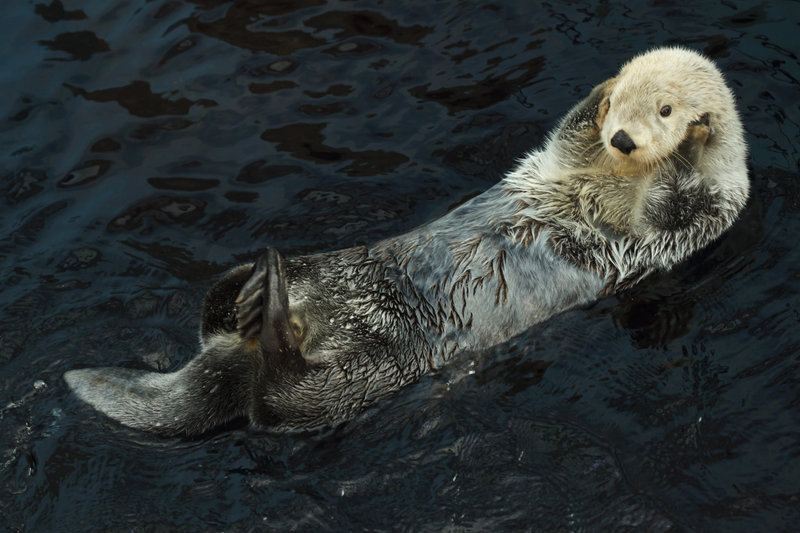
Rich dark brown fur lightening to tan or grey on the head with age; small rounded ears; fully webbed hind feet
ADAPTATIONS
Uses rocks as tools to crack shellfish; wraps itself in kelp to avoid drifting while sleeping; must constantly groom fur to maintain insulation
🌿 Ecology
HABITAT
Nearshore kelp forest and rocky intertidal zones; rarely comes ashore; sleeps floating on the ocean surface
DIET
Carnivore
GEOGRAPHIC RANGE
Pacific coast of North America from Alaska to central California; historically ranged to Baja California
REPRODUCTION
Single pup born year-round after 4–6 month variable gestation (delayed implantation); mother raises pup alone for 6–8 months
DIET DETAILS
Sea urchins, clams, abalone, crabs, mussels, and snails prised from the seafloor; must eat 25% of body weight daily
⚠️ Threats & Conservation
PRIMARY THREATS
Historical commercial hunting nearly drove extinction; current threats include oil spills, entanglement in fishing gear, shark bites, and prey depletion
💡 Interesting Facts
1
Sea Otters are a keystone species — by controlling sea urchin populations they allow kelp forests to thrive, which in turn supports hundreds of species.
2
Sea Otters lack the blubber layer of other marine mammals and instead rely entirely on their dense fur — up to 1 million hairs per square centimetre — for insulation against cold Pacific waters.
🔭 Sighting Guide
📍 BEST PLACES TO SIGHT
Moss Landing State Beach near Monterey, CA, has a large and easily viewed Sea Otter population in Elkhorn Slough
Point Lobos State Natural Reserve near Carmel, CA, has Sea Otters in kelp beds visible from coastal trails
Port Orford Heads State Park, OR, offers headland views of Sea Otters in nearshore rocky habitat
🗓️ BEST TIME TO SIGHT
Year-round at Moss Landing and Elkhorn Slough, CA, and along the OR coast near Port Orford; binoculars essential for shore-based viewing.
🎯 SIGHTING TIPS
Year-round. Monterey Bay and the Oregon coast have stable populations; best seen floating in kelp beds from shore or kayak.