Home › Reptilia › Viperidae › Russell's Viper (Daboia russelii)
SPECIES PROFILE
Russell's Viper (Daboia russelii)
Daboia
IUCN STATUS
Least Concern

CONSERVATION STATUS
Least Concern
CLASS
Reptilia
GEOGRAPHICAL RANGE
Widespread across India
DIET
Carnivorous
HABITAT
Grasslands, scrub, urban edges
🔬 Classification
PHYLUM
Chordata
CLASS
Reptilia
ORDER
Squamata
FAMILY
Viperidae
GENUS
Daboia
📋 Description
SIZE
1-1.5 meters long, 2-6 kg
COLORATION
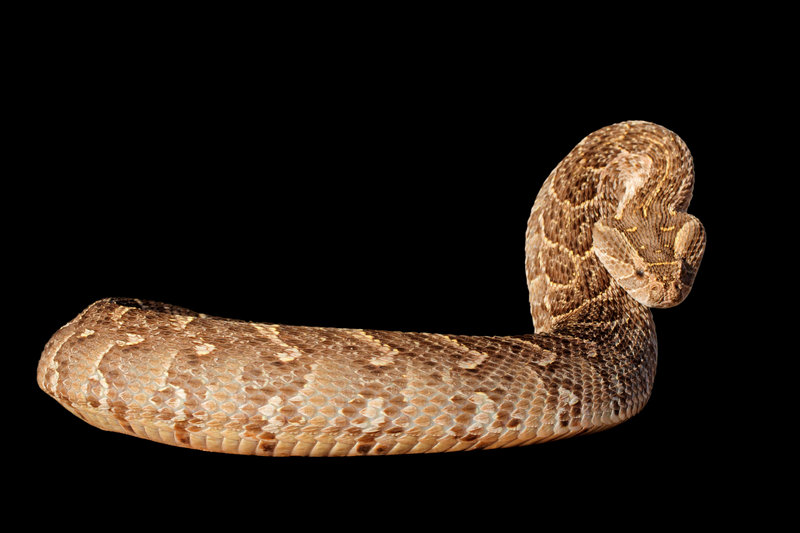
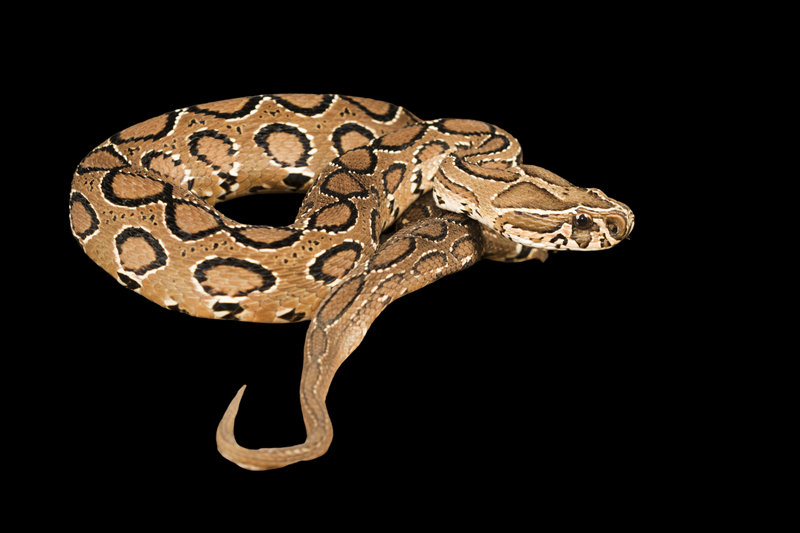
Brown with three rows of dark diamond patterns
ADAPTATIONS
Potent hemotoxic venom, heat-sensing pits
🌿 Ecology
HABITAT
Grasslands, scrub, urban edges
DIET
Carnivorous
GEOGRAPHIC RANGE
Widespread across India
REPRODUCTION
Lays 20-40 live young (viviparous), birth after 6 months
DIET DETAILS
Rodents, birds, lizards
⚠️ Threats & Conservation
PRIMARY THREATS
Human conflict, habitat loss
💡 Interesting Facts
1
Deadly Bites: Causing 25000 deaths annually their 1.5-meter bodies inject 200 mg venom in Ranthambore's scrublands with 50000 in India. Their hisses deter predators.
2
Big Four Threat: Part of India's lethal snakes their 5 kg coils strike 2 meters in Sundarbans' edges. Anti-venom saves lives in their 100000 sq km range.
🔭 Sighting Guide
📍 BEST PLACES TO SIGHT
Ranthambore National Park in Rajasthan dry scrublands host viper sightings
Sundarbans National Park in West Bengal mangrove edges offer viper sightings
Bandipur National Park in Karnataka grasslands have viper sightings
🗓️ BEST TIME TO SIGHT
November-March. Dry season increases viper activity in open areas.
🎯 SIGHTING TIPS
Join guided walks with herpetologists to spot vipers basking in sunlight.