Home › Amphibia › Rhacophoridae › Foam-nest Tree Frog (Chiromantis rufescens)
SPECIES PROFILE
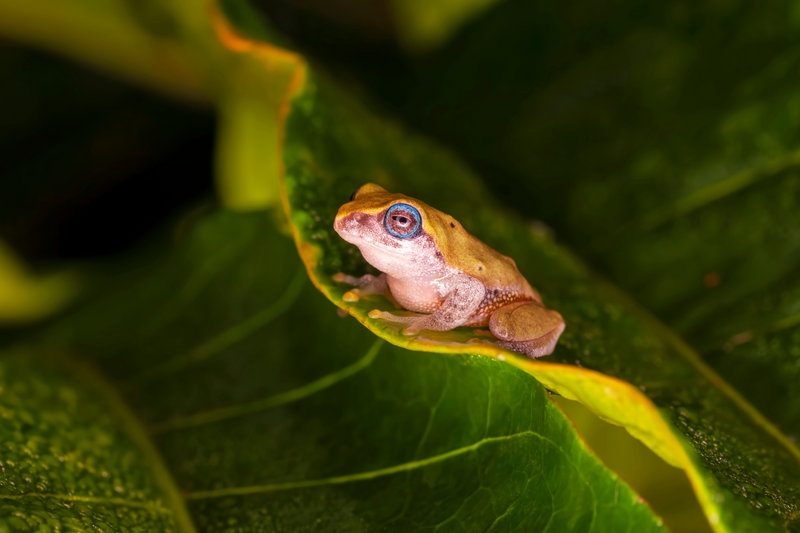
Foam-nest Tree Frog (Chiromantis rufescens)
Chiromantis
IUCN STATUS
Least Concern


CONSERVATION STATUS
Least Concern
CLASS
Amphibia
GEOGRAPHICAL RANGE
Central and West Africa
DIET
Carnivorous
HABITAT
Savannas, forests near water
🔬 Classification
PHYLUM
Chordata
CLASS
Amphibia
ORDER
Anura
FAMILY
Rhacophoridae
GENUS
Chiromantis
📋 Description
SIZE
6-8 cm, 10-20 g
COLORATION
Grey to brown; can lighten/darken
ADAPTATIONS
Foam nests protect eggs; water conservation
🌿 Ecology
HABITAT
Savannas, forests near water
DIET
Carnivorous
GEOGRAPHIC RANGE
Central and West Africa
REPRODUCTION
Foam nests with 200-800 eggs; tadpoles drop to water
DIET DETAILS
Insects
⚠️ Threats & Conservation
PRIMARY THREATS
Habitat loss
💡 Interesting Facts
1
Foam Architects: These frogs whip their secretions into foam nests hanging over water, a unique nursery that shields eggs from predators and drying out until tadpoles drop below. Males and females collaborate in this frothy construction, a rare teamwork display.
2
Desert Defiers: They survive arid spells by reducing water loss through their skin, sitting exposed on branches where others would perish, a trick that lets them colonize dry savannas. This resilience makes them a marvel of amphibian adaptation.
🔭 Sighting Guide
📍 BEST PLACES TO SIGHT
Dzanga-Sangha Reserve, CAR
Tai National Park, Côte d'Ivoire
Kibale National Park, Uganda
🗓️ BEST TIME TO SIGHT
Look for foam nests in trees near ponds at night during guided walks.
🎯 SIGHTING TIPS
March-May: Wet season triggers breeding with frogs active in trees near ponds.