Home › Insecta › Formicidae › Driver Ant (Dorylus spp.)
SPECIES PROFILE
Driver Ant (Dorylus spp.)
Dorylus
IUCN STATUS
Not Evaluated


CONSERVATION STATUS
Not Evaluated
CLASS
Insecta
GEOGRAPHICAL RANGE
Sub-Saharan Africa
DIET
Carnivorous/Scavenger
HABITAT
Forests, savannas, grasslands
🔬 Classification
PHYLUM
Arthropoda
CLASS
Insecta
ORDER
Hymenoptera
FAMILY
Formicidae
GENUS
Dorylus
📋 Description
SIZE
Workers 2-15 mm; queens 5 cm; colonies millions
COLORATION
Reddish-brown to black
ADAPTATIONS
Strong mandibles; nomadic swarms
🌿 Ecology
HABITAT
Forests, savannas, grasslands
DIET
Carnivorous/Scavenger
GEOGRAPHIC RANGE
Sub-Saharan Africa
REPRODUCTION
Queens lay thousands; colonies split
DIET DETAILS
Insects, small vertebrates, carrion
⚠️ Threats & Conservation
PRIMARY THREATS
None significant
💡 Interesting Facts
1
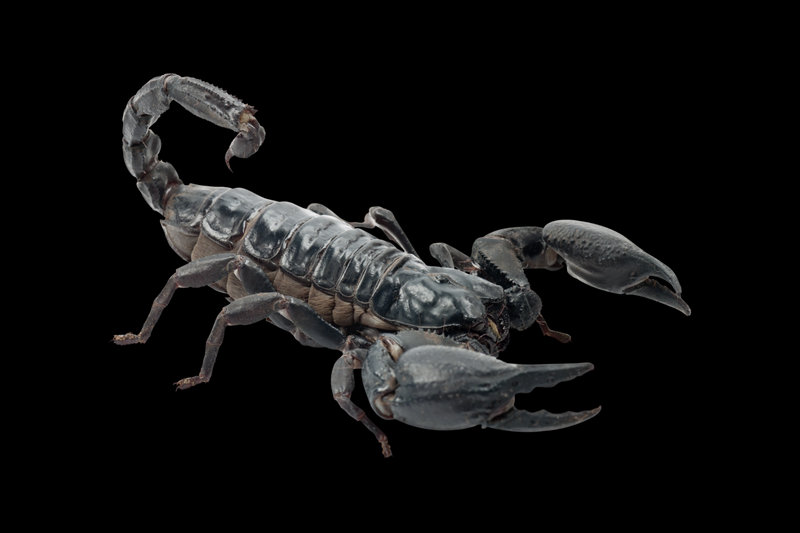
Swarm Raiders: Driver ants form living highways of millions, overwhelming prey like scorpions or lizards with sheer numbers, stripping them to bones in hours. Their relentless marches can clear entire forest floors, a force of nature feared by all in their path.
2
Living Bivouacs: Instead of nests, they create temporary shelters with their own bodies, linking together to protect the queen and brood overnight, then disbanding at dawn. This living architecture showcases their unparalleled cooperation and mobility.
🔭 Sighting Guide
📍 BEST PLACES TO SIGHT
Kakamega Forest, Kenya
Comoé National Park, Côte d'Ivoire
Omo Forest Reserve, Nigeria
🗓️ BEST TIME TO SIGHT
Look for ant trails in forest clearings at midday; avoid disturbing colonies.
🎯 SIGHTING TIPS
March-May: Wet season increases ant colony activity with visible foraging trails.
🐾 You Might Also Want to See...

Species
Range
Status
Species
Range
Status
Species
Range
Status
Species
Range
Status