
Home › Amphibia › Rhacophoridae › Coorg Yellow Bush Frog (Raorchestes luteolus)
SPECIES PROFILE
Coorg Yellow Bush Frog (Raorchestes luteolus)
Raorchestes
IUCN STATUS
Least Concern

CONSERVATION STATUS
Least Concern
CLASS
Amphibia
GEOGRAPHICAL RANGE
Western Ghats: Karnataka, Kerala
DIET
Carnivorous
HABITAT
Western Ghats forests, grasslands
🔬 Classification
PHYLUM
Chordata
CLASS
Amphibia
ORDER
Anura
FAMILY
Rhacophoridae
GENUS
Raorchestes
📋 Description
SIZE
2-3 cm long, 2-5 grams
COLORATION
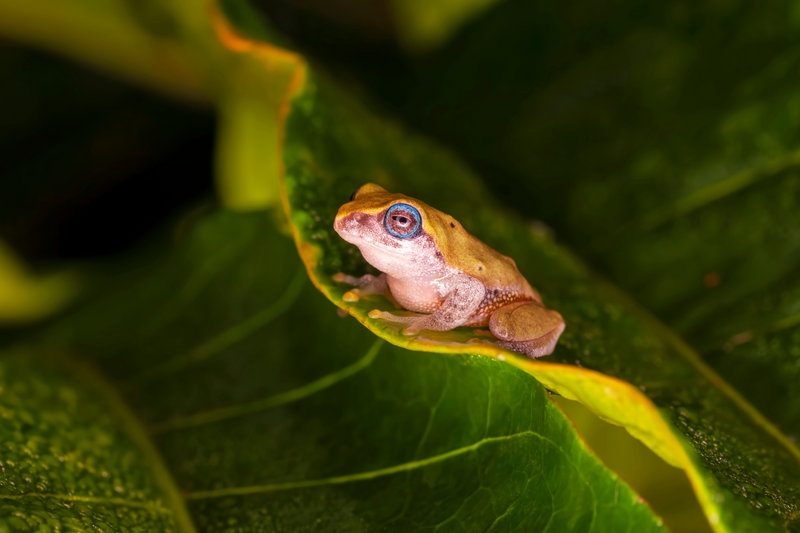
Bright yellow with darker markings
ADAPTATIONS
Small size, sticky toe pads for climbing
🌿 Ecology
HABITAT
Western Ghats forests, grasslands
DIET
Carnivorous
GEOGRAPHIC RANGE
Western Ghats: Karnataka, Kerala
REPRODUCTION
Lays eggs on leaves, direct development (no tadpoles)
DIET DETAILS
Small insects, spiders
⚠️ Threats & Conservation
PRIMARY THREATS
Habitat loss, climate change
💡 Interesting Facts
1
Monsoon Glow: Their bright yellow skin shines during Coorg's monsoons attracting mates with 2 cm bodies croaking at 80 decibels. Endemic to Western Ghats their 5000 population faces habitat loss.
2
Forest Dwellers: These frogs hide in coffee plantation leaf litter emerging to breed in streams with 20 eggs per clutch. Their nocturnal calls echo across Karnataka's 1000 sq km rainforest range.
🔭 Sighting Guide
📍 BEST PLACES TO SIGHT
Coorg in Karnataka has coffee plantations and forests for yellow bush frog sightings
Pushpagiri Wildlife Sanctuary in Karnataka wet forests host yellow bush frog sightings
Kudremukh National Park in Karnataka rainforest streams offer yellow bush frog sightings
🗓️ BEST TIME TO SIGHT
Join night walks with herpetologists to spot frogs near streams or on foliage.
🎯 SIGHTING TIPS
June-September. Monsoon triggers breeding making frogs more vocal and active.


