Home › Reptilia › Cheloniidae › Hawksbill Sea Turtle (Eretmochelys imbricata)
SPECIES PROFILE
Hawksbill Sea Turtle (Eretmochelys imbricata)
Eretmochelys
IUCN STATUS
Critically Endangered

CONSERVATION STATUS
Critically Endangered
CLASS
Reptilia
GEOGRAPHICAL RANGE
Tropical and subtropical oceans worldwide; nests on Caribbean and Gulf coast beaches in Mexico
DIET
Carnivore
HABITAT
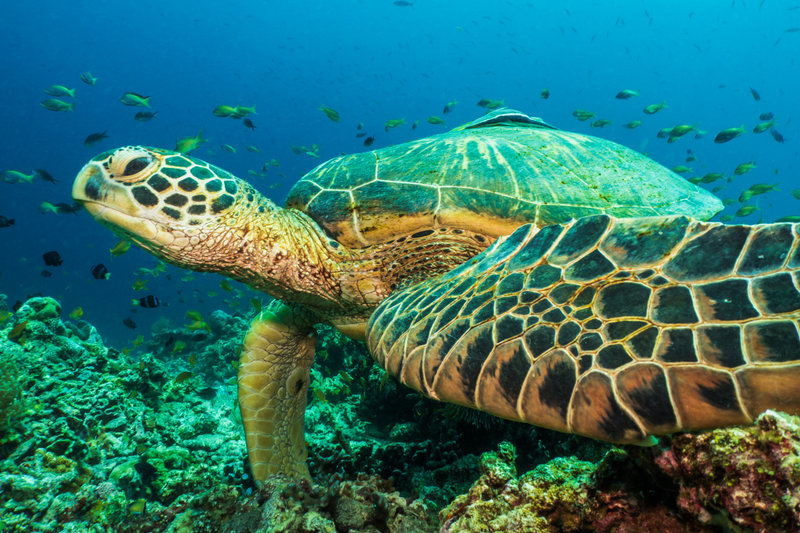
Coral reefs, rocky coastlines, shallow coastal lagoons, and mangrove creeks; nests on beaches near reef habitat
🔬 Classification
PHYLUM
Chordata
CLASS
Reptilia
ORDER
Testudines
FAMILY
Cheloniidae
GENUS
Eretmochelys
📋 Description
SIZE
60–95 cm carapace; 45–75 kg
COLORATION
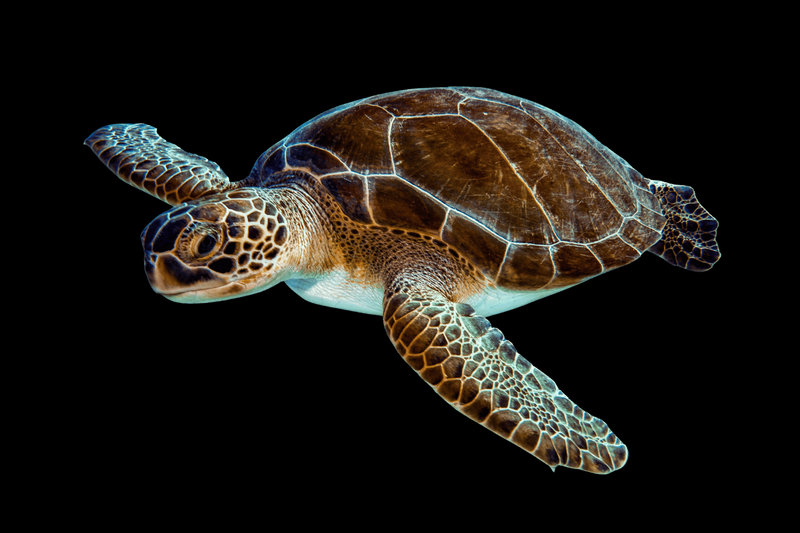
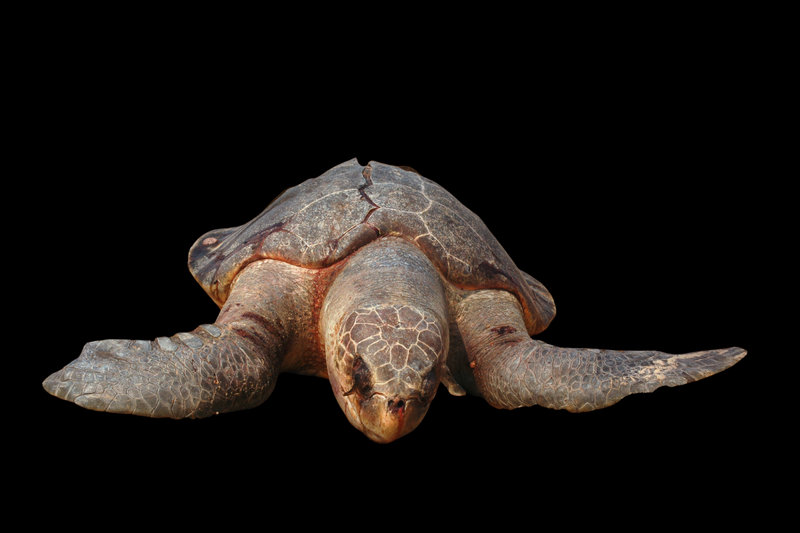
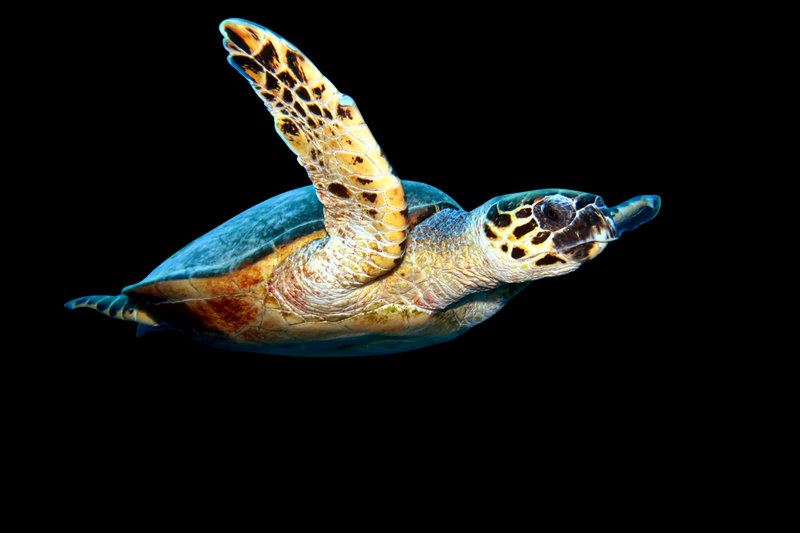
Narrow pointed beak (hawk-like bill); overlapping amber and brown tortoiseshell scutes on the carapace forming a beautiful pattern; tapered head
ADAPTATIONS
Narrow beak specialised for extracting sponges from coral reef crevices; the only sea turtle to feed extensively on sponges; highly manoeuvrable swimmer
🌿 Ecology
HABITAT
Coral reefs, rocky coastlines, shallow coastal lagoons, and mangrove creeks; nests on beaches near reef habitat
DIET
Carnivore
GEOGRAPHIC RANGE
Tropical and subtropical oceans worldwide; nests on Caribbean and Gulf coast beaches in Mexico
REPRODUCTION
Female nests 3–5 times per season with 2-week intervals; lays 130–160 eggs per clutch; 60-day incubation; hatchlings emerge at night
DIET DETAILS
Sea sponges are the dietary speciality; also jellyfish, molluscs, sea anemones, and algae
⚠️ Threats & Conservation
PRIMARY THREATS
Illegal harvest for tortoiseshell (bekko) trade; bycatch in fishing gear; coastal development destroying nesting beaches; coral reef decline reducing foraging habitat
💡 Interesting Facts
1
The Hawksbill Sea Turtle is the primary predator of sea sponges on tropical reefs; without them, fast-growing sponges would overgrow and kill the coral, fundamentally altering reef structure.
2
Hawksbill shells were used for centuries to make "tortoiseshell" jewellery, combs, and frames — the species was killed by the millions; the international trade is now banned but poaching continues.
🔭 Sighting Guide
📍 BEST PLACES TO SIGHT
Tecolutla beach near Tecolutla, Veracruz, is a major Hawksbill Sea Turtle nesting beach on Mexico's Gulf coast
Isla Aguada near Carmen, Campeche, has Hawksbill Sea Turtle nesting on Gulf beaches
Banco Chinchorro Biosphere Reserve near Mahahual, Quintana Roo, has Hawksbill Turtles foraging in Caribbean reefs
🗓️ BEST TIME TO SIGHT
May to October for nesting on Gulf coast beaches near Tecolutla, Veracruz, and Isla Aguada, Campeche; snorkelling in Caribbean coral reefs for feeding individuals.
🎯 SIGHTING TIPS
Summer nesting. Nests on Gulf and Caribbean beaches May to October; Isla Aguada in Campeche and Veracruz beaches are key Mexican sites.