top of page

Home › Reptilia › Cheloniidae › Green Turtle (Chelonia mydas)

SPECIES PROFILE

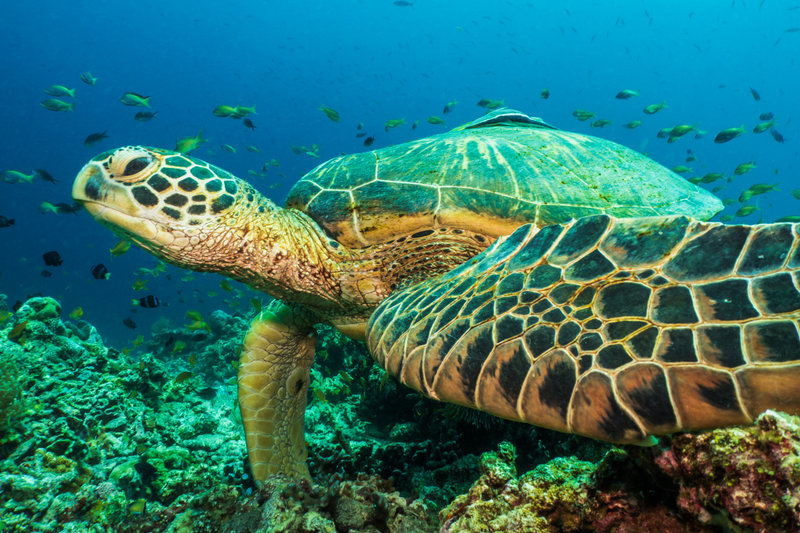
Green Turtle (Chelonia mydas)

Chelonia

IUCN STATUS

Endangered

paw print_edited.png
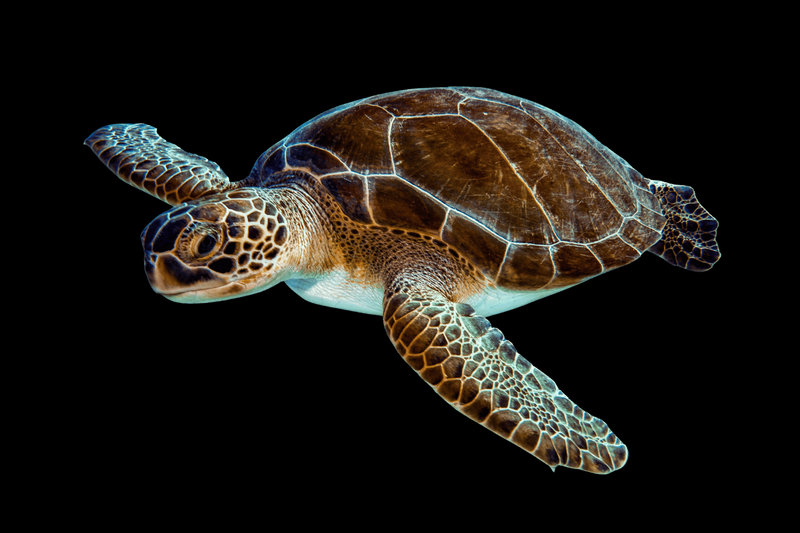
Green Turtle (Chelonia mydas) — Tropical and subtropical seas

CONSERVATION STATUS

Endangered

CLASS

Reptilia

GEOGRAPHICAL RANGE

Tropical and subtropical seas

DIET

Herbivorous

HABITAT

Coral reefs, seagrass beds and nesting beaches

🔬 Classification

PHYLUM

Chordata

CLASS

Reptilia

ORDER

Testudines

FAMILY

Cheloniidae

GENUS

Chelonia

📋 Description

SIZE

Shell up to 1.2 m; up to 160 kg

COLORATION

Olive-brown shell; adults graze seagrass

ADAPTATIONS

Only sea turtle that is largely vegetarian as an adult

🌿 Ecology

HABITAT

Coral reefs, seagrass beds and nesting beaches

DIET

Herbivorous

GEOGRAPHIC RANGE

Tropical and subtropical seas

REPRODUCTION

Lays 100+ eggs per clutch

DIET DETAILS

Seagrass and algae (adults)

⚠️ Threats & Conservation

PRIMARY THREATS

Bycatch, egg poaching, beach loss

💡 Interesting Facts

1

Named for the green fat under its shell, it is the only mostly-vegetarian sea turtle.

2

Females return to the very beach where they hatched to lay their own eggs.

🔭 Sighting Guide

📍 BEST PLACES TO SIGHT

Vamizi Island

Bazaruto Archipelago

🗓️ BEST TIME TO SIGHT

November-February

🎯 SIGHTING TIPS

Join a guided night walk on protected beaches to watch females haul out and nest in nesting season.
🏨 Where to Stay
📍
Vamizi Island, Quirimbas, Mozambique
Mozambique
🐾 You Might Also Want to See...
Green Sea Turtle (Chelonia mydas)

Green Sea Turtle (Chelonia mydas)

Tropical and subtropical oceans worldwide; most significant US nesting beaches in Florida; forages throughout Caribbean and Gulf of Mexico

Endangered

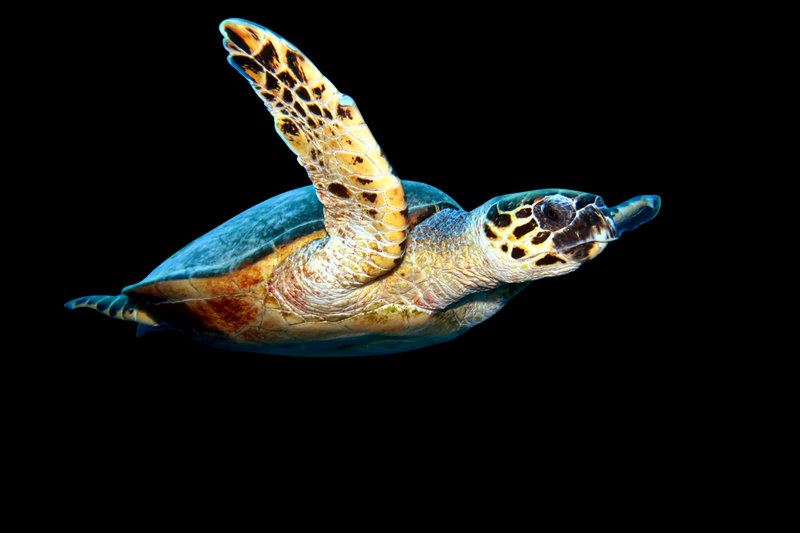
Hawksbill Sea Turtle (Eretmochelys imbricata)

Hawksbill Sea Turtle (Eretmochelys imbricata)

Tropical and subtropical oceans worldwide; nests on Caribbean and Gulf coast beaches in Mexico

Critically Endangered

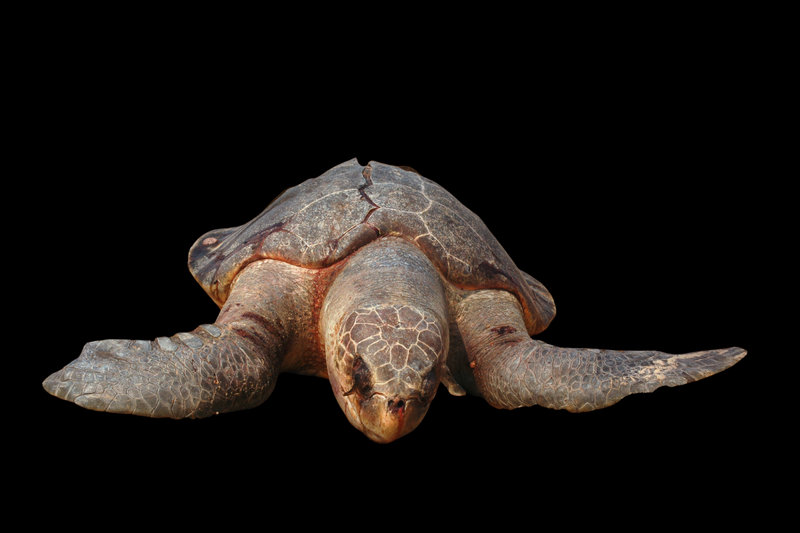
Olive Ridley Sea Turtle (Lepidochelys olivacea)

Olive Ridley Sea Turtle (Lepidochelys olivacea)

Tropical Pacific and Atlantic; major Pacific nesting beaches in Mexico (Oaxaca), Costa Rica, and India

Vulnerable

More wildlife in Mozambique
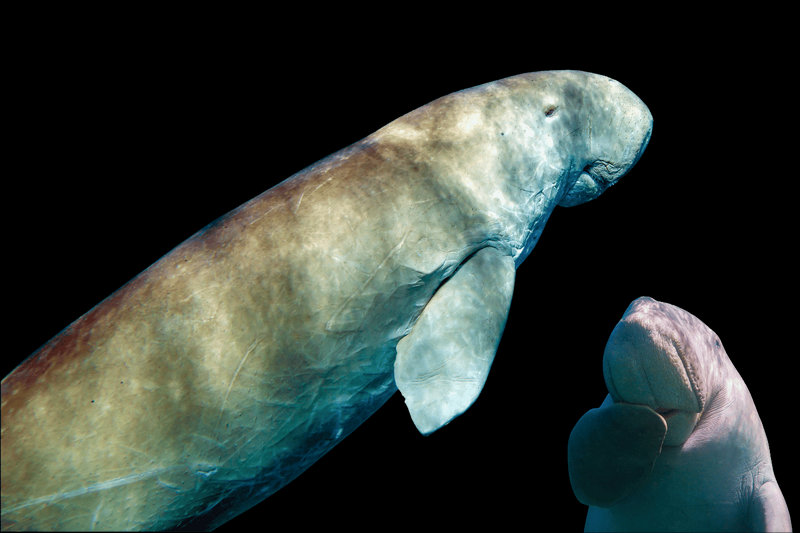
Dugong (Dugong dugon)

Dugong (Dugong dugon)

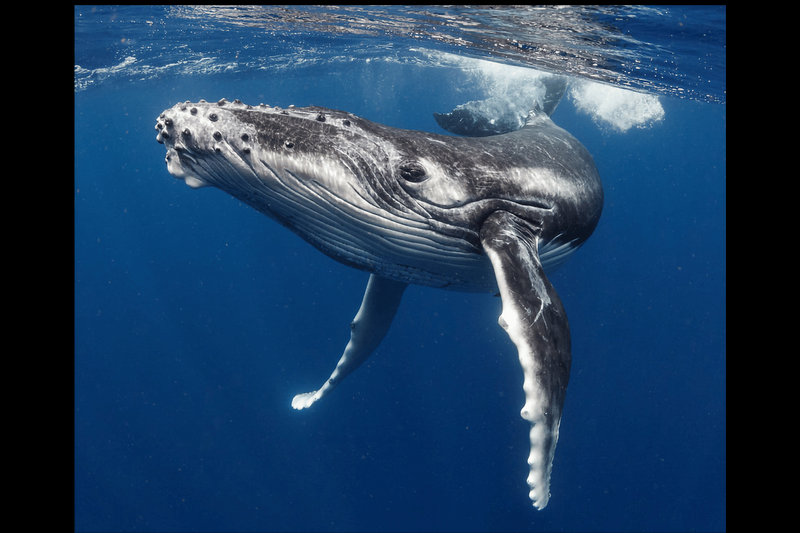
Humpback Whale (Megaptera novaeangliae)

Humpback Whale (Megaptera novaeangliae)

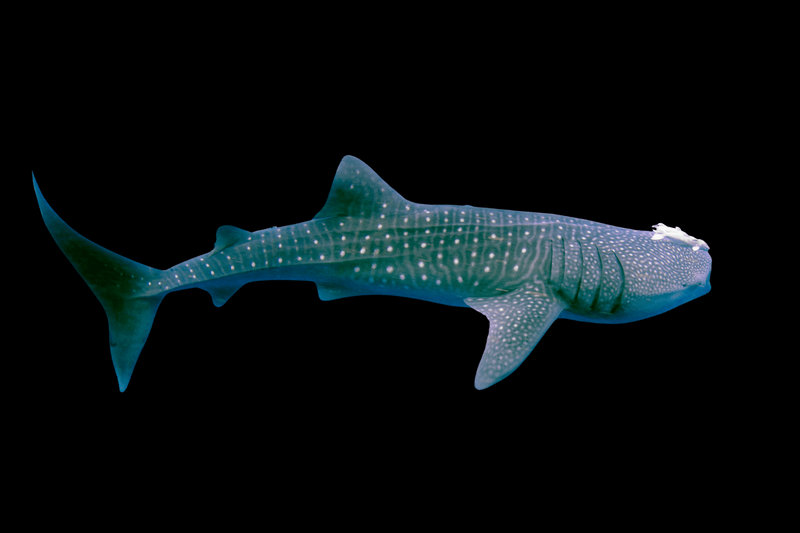
Whale Shark (Rhincodon typus)

Whale Shark (Rhincodon typus)

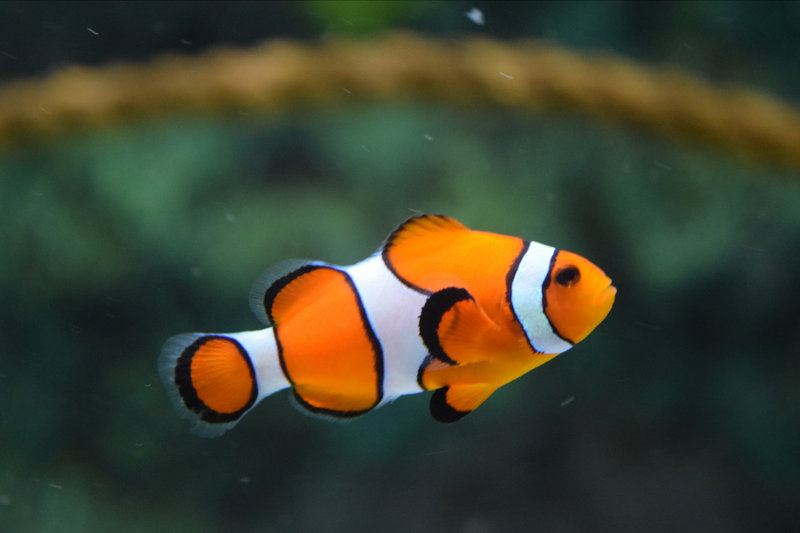
Clownfish (Amphiprion spp.)

Clownfish (Amphiprion spp.)

Other Endangered species
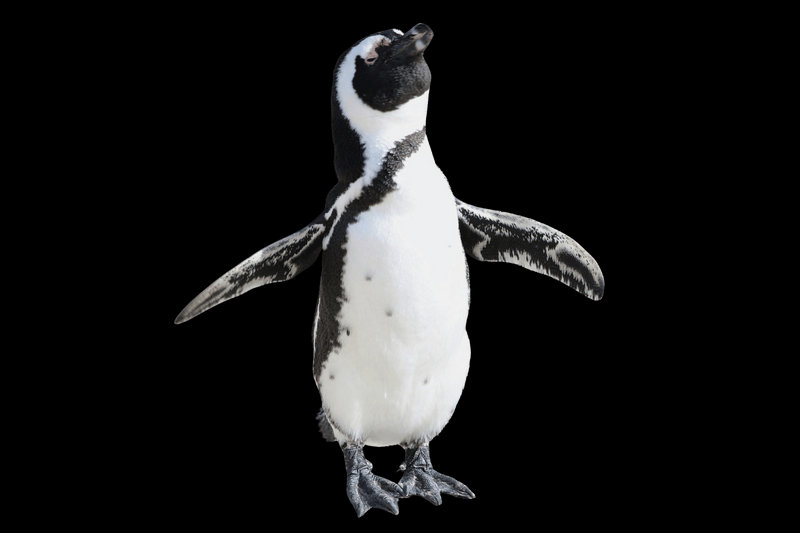
African Penguin (Spheniscus demersus)

African Penguin (Spheniscus demersus)

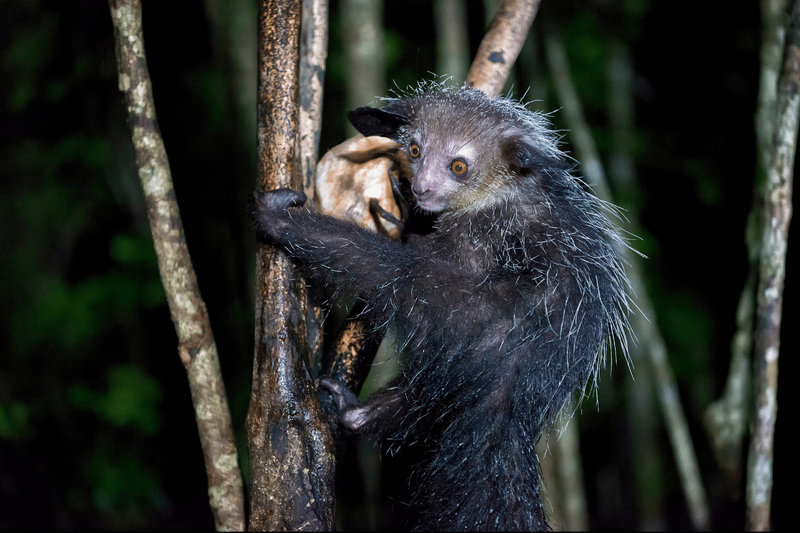
Aye-aye (Daubentonia madagascariensis)

Aye-aye (Daubentonia madagascariensis)

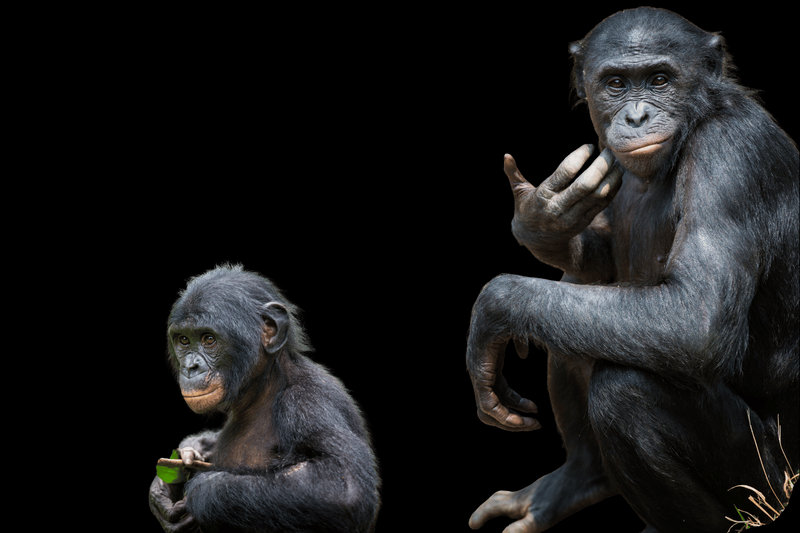
Bonobo (Pan paniscus)

Bonobo (Pan paniscus)

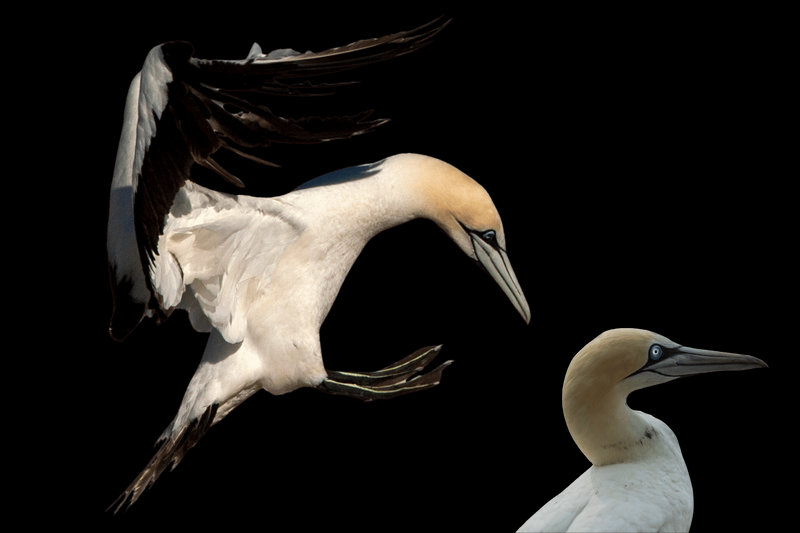
Cape Gannet (Morus capensis)

Cape Gannet (Morus capensis)

CONTINUE EXPLORING

Discover more wildlife experiences

bottom of page