Home › Aves › Psittacidae › Military Macaw (Ara militaris)
SPECIES PROFILE
Military Macaw (Ara militaris)
Ara
IUCN STATUS
Vulnerable


CONSERVATION STATUS
Vulnerable
CLASS
Aves
GEOGRAPHICAL RANGE
Fragmented populations from Mexico through Venezuela; in Mexico primarily in the Sierra Madre Occidental canyons and the Tehuacán-Cuicatlán Valley
DIET
Herbivore
HABITAT
Mature tropical dry forest and pine-oak woodland in mountain canyons; nests on cliff faces and in large tree cavities; needs old-growth forest for foraging
🔬 Classification
PHYLUM
Chordata
CLASS
Aves
ORDER
Psittaciformes
FAMILY
Psittacidae
GENUS
Ara
📋 Description
SIZE
70–80 cm; 900–1,100 g
COLORATION
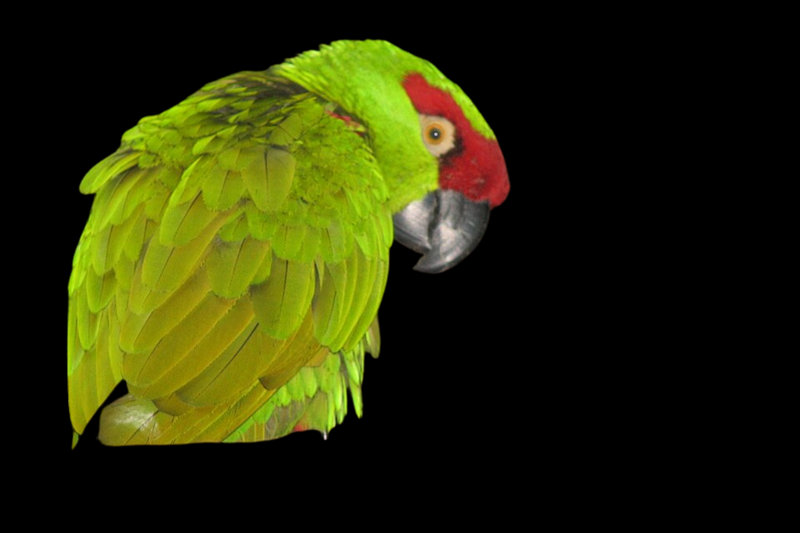
Brilliant green overall with a red forehead; blue flight feathers; bare red and white facial patch; red-tipped tail; loud harsh call
ADAPTATIONS
Strong bill for cracking hard nut shells and extracting seeds; visits mineral licks (clay licks) to detoxify secondary compounds in seeds
🌿 Ecology
HABITAT
Mature tropical dry forest and pine-oak woodland in mountain canyons; nests on cliff faces and in large tree cavities; needs old-growth forest for foraging
DIET
Herbivore
GEOGRAPHIC RANGE
Fragmented populations from Mexico through Venezuela; in Mexico primarily in the Sierra Madre Occidental canyons and the Tehuacán-Cuicatlán Valley
REPRODUCTION
Nests on cliff faces or in large tree cavities; 2–3 eggs; incubation 26 days; chicks fledge at 3 months; mates for life
DIET DETAILS
Seeds, fruits, nuts, and flowers from a wide variety of forest trees; eats clay from mineral licks to neutralise dietary toxins
⚠️ Threats & Conservation
PRIMARY THREATS
Capture for the pet trade (one of the most heavily trafficked parrots in Mexico); logging of old-growth forest; nest disturbance
💡 Interesting Facts
1
Military Macaws are among the loudest birds in Mexico — their screaming calls echo through canyon walls and can be heard several kilometres away.
2
Like other large parrots, Military Macaws mate for life and show long-term pair fidelity; separated pairs vocally search for each other with distinctive contact calls.
🔭 Sighting Guide
📍 BEST PLACES TO SIGHT
Barrancas del Cobre near Creel, Chihuahua, has Military Macaws nesting in cliffs and foraging in pine-oak forest
Tehuacán-Cuicatlán Biosphere Reserve near Tehuacán, Puebla, has a Military Macaw population in canyon dry forest
Singayta area near San Blas, Nayarit, has Military Macaws at accessible roost cliffs in the foothills
🗓️ BEST TIME TO SIGHT
Year-round. Cliff nest sites in the Barrancas del Cobre and Tehuacán-Cuicatlán areas; noisy flocks audible from afar.
🎯 SIGHTING TIPS
Year-round in canyon areas of the Sierra Madre Occidental; early morning flights between cliff roosts and foraging trees near Barrancas del Cobre, Chihuahua.